Mobile Proxies
Mobile proxies route your traffic through reliable 3G, 4G, and 5G carrier IPs, making requests appear as genuine mobile devices. Access 10M+ ethically-sourced IPs from 700+ carriers across 160+ locations with a 99.75% success rate.
10M+
ethically-sourced IPs
24/7
tech support
160+
locations
700+
carriers
99.75%
success rate
Trusted by:






How much do mobile proxies cost?
Mobile proxies are billed per GB of traffic used, or using the Pay As You Go option. Plans start at $2.25/GB for high-volume tiers. Every plan includes access to 10M+ mobile IPs across 700+ carriers in 160+ locations.
With each plan you access

10M+ real mobile IPs from 700+ carriers
HTTP(S) & SOCKS5 support
160+ global locations
3G/4G/5G carrier-grade proxies
99.75% success rate
City-level targeting
Reliable access to mobile-only content
<0.5s avg. response time
24/7 tech support
14-day money-back
SSL Secure Payment
Your information is protected by 256-bit SSL

How do I manage and monitor my mobile proxies?
Monitor live statistics
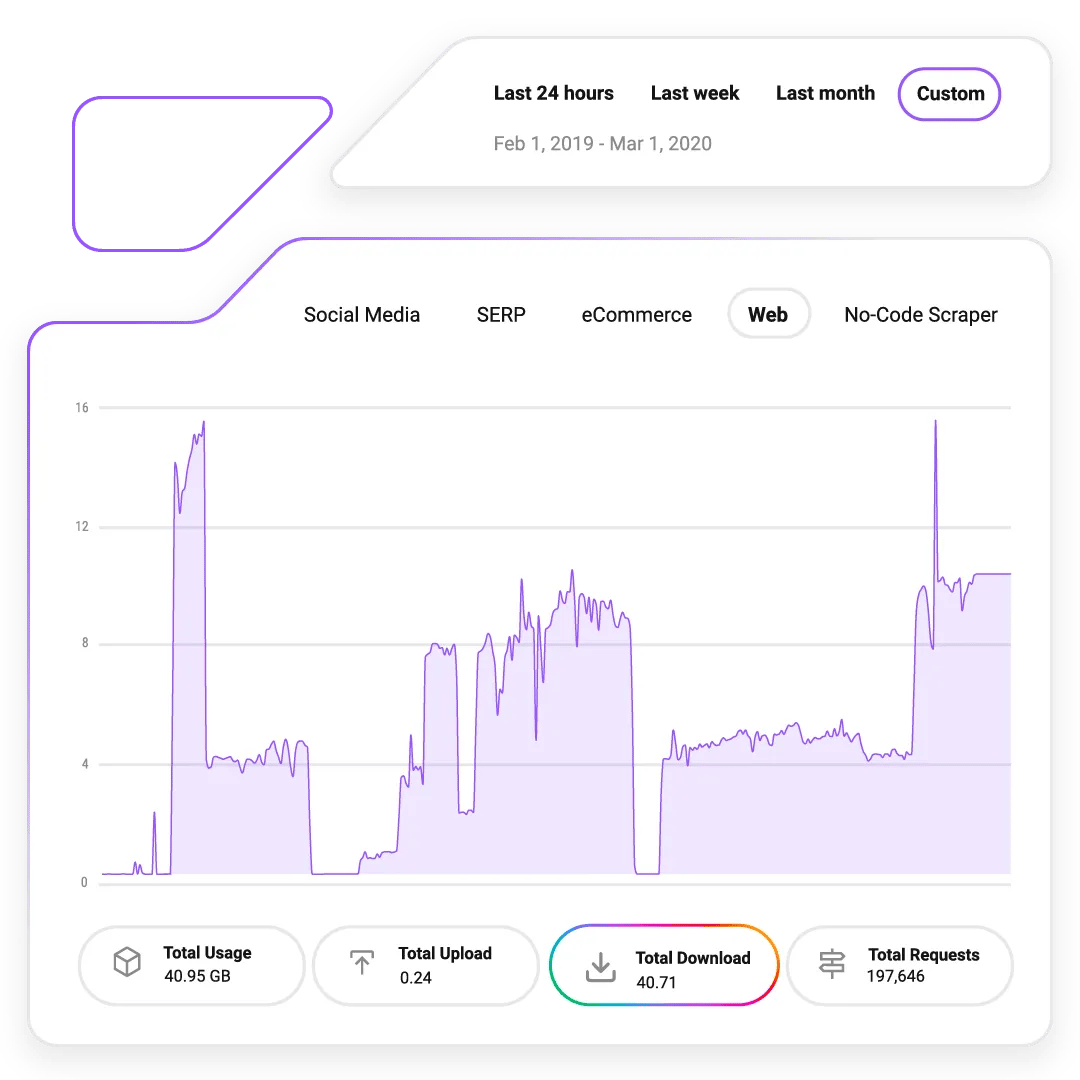
Track your top targets, usage statistics, and traffic metrics in real time through Decodo’s dashboard for faster, data-backed decisions.
Infrastructure-free data collection
Collect data without managing IP rotation, handling errors and retries, or reconfiguring as you scale, so you can focus on results.
AI workflow integration
Set up your workflows with AI integrations like Decodo's MCP server, n8n node, OpenClaw, or LangChain agents.
What are mobile proxies?

A mobile proxy is an intermediary server that routes your internet traffic through IPs assigned to real mobile devices by cellular carriers on 3G, 4G LTE, or 5G networks. Because these IPs belong to genuine devices on carrier networks, websites treat the traffic as authentic mobile user activity rather than automated requests.

How do mobile proxies work?
When you send a request through a mobile proxy, the following process occurs:
- Your request (visiting a website, collecting data, or making an API call) goes to the mobile proxy network first.
- The provider routes your request through a real mobile device active on a carrier network. Each device has an authentic IP from its mobile carrier.
- The mobile device forwards your request using its carrier IP. The target website sees traffic from a regular mobile user rather than a datacenter or automated source.
- The destination website processes the request as normal mobile traffic, which carrier-grade IPs handle more reliably than datacenter IPs.
- The response travels back through the same mobile proxy to you, completing the cycle without exposing your original IP.
Mobile proxies support both rotating sessions (new IP per request) and sticky sessions (same IP for a configurable duration), giving you flexibility for different workflows.
What mobile proxy locations are available?
Decodo gives you access to 10M+ ethically-sourced mobile IPs across 160+ locations worldwide. If you need a single mobile proxy for testing or thousands for automation, you get region-accurate results.
- Target specific continents, states, countries, or cities like New York, London, or Mumbai for localized campaigns, testing, or data gathering.
- Filter by ASN for maximum targeting accuracy.
- Switch between 160+ locations to access geo-specific content anywhere in the world.


How can mobile proxies support AI-ready data pipelines?
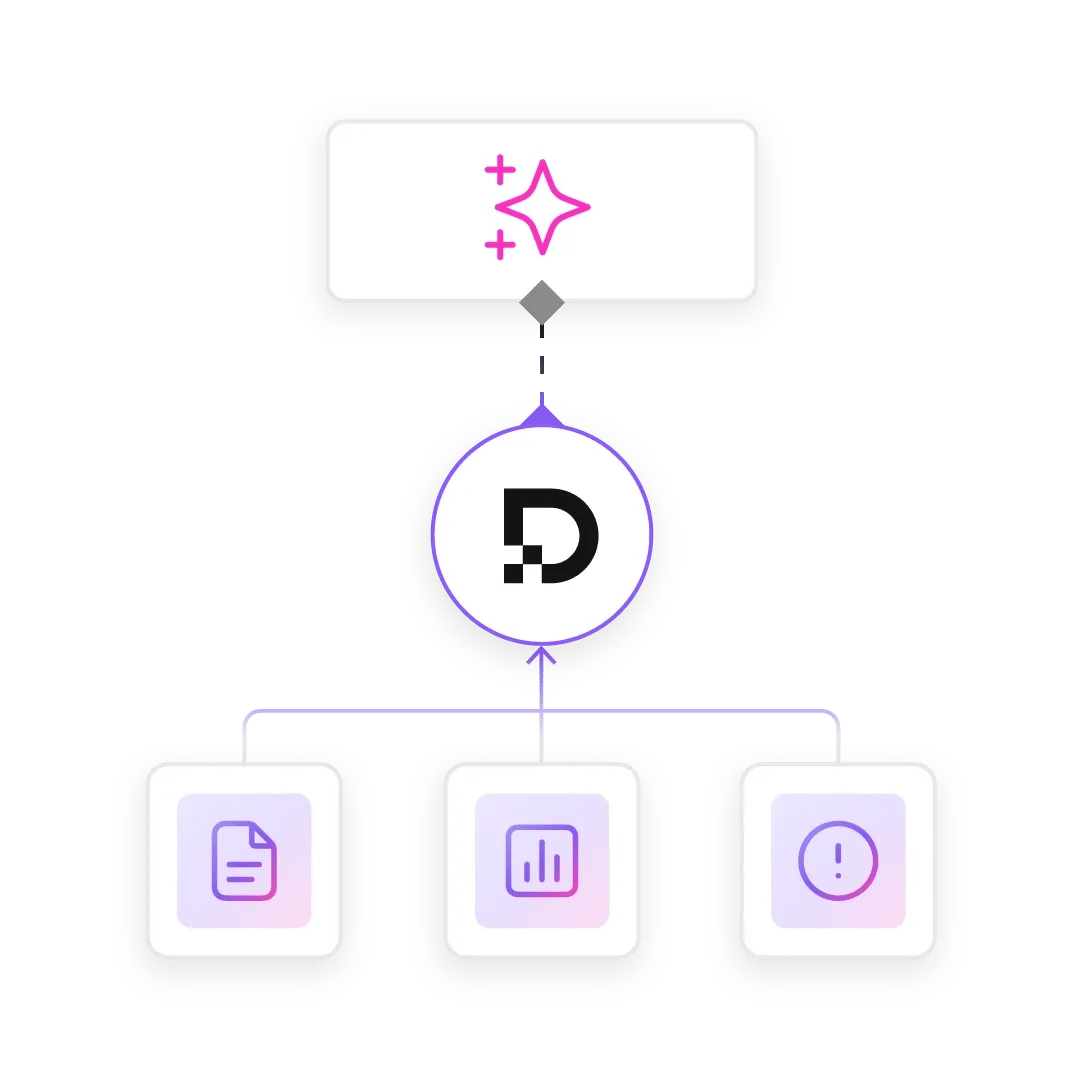
Feed your AI workflows with premium data collected through authentic, carrier-grade IPs designed to resemble real mobile users and handle advanced access challenges. Pair them with our n8n node, MCP Server, OpenClaw, LangChain integrations, or a free AI Parser to automate your data pipelines:
- Genuine mobile footprints for AI agents
- City- and carrier-level targeting for diverse datasets
- Lower detection risk thanks to real device IPs
- Works instantly with Requests, Playwright, Puppeteer, Python libraries, and more

Why do enterprise teams choose Decodo mobile proxies?
Decodo's proxy and scraping infrastructure is built for teams where reliability is critical, specifically when it comes to gathering competitive intelligence, monitoring prices at scale, and running mission-critical AI data pipelines. With one of the largest ethically-sourced proxy networks in the world and ISO/IEC 27001:2022 certification for proxies and Scraping API, Decodo delivers the reliability, speed, and geo-coverage that enterprises and developers depend on.
From eCommerce to advanced AI use cases, Decodo adapts to the demands of any use case without compromise. Decodo has been recognized by G2 as one of the best security products in 2026.
How do mobile proxies compare to residential and datacenter proxies?
Choosing the right proxy type depends on your use case, budget, and how closely your traffic needs to resemble real users. Here's how Decodo’s mobile proxies compare to the 2 most common alternatives. The mobile vs. residential proxy comparison works through that choice in detail.
IP source
Real mobile carrier devices (3G/4G/5G)
Real household devices
Cloud servers
ISP-registered, server-hosted IPs
Authenticity
Highest – mobile IPs are widely shared and rarely flagged
High – genuine household IPs
Moderate — easier to detect
High – combines residential trust with datacenter stability
Speed
Carrier-dependent (<0.74s)
Fast (<0.53s)
Faster (<0.22s)
Fastest (<0.2s)
Pool size
10M+ IPs
115M+ IPs
500K+ IPs
Global locations
Location granularity
Country, city, carrier/ASN
Continent, country, state, city, ZIP, ASN
Country, state, city, ASN
Country, state, city, ASN
Best for
Multi-accounting, mobile app testing, AI data, ad verification
Large-scale scraping, SEO monitoring, and market research
High-speed bulk tasks, low-risk targets
Multi-accounting, SEO monitoring, web scraping
What features do Decodo mobile proxies offer?
Get global reach, seamless integration, and enterprise-grade reliability with authentic mobile IPs that deliver the speed and privacy you need.

10M+ IPs across 160+ locations
Access mobile IPs from 700+ mobile carriers with city, ASN, and country-level targeting.

Easy integration
Connect mobile proxies to the tools you already use with Python, Node.js, and other popular programming languages.

99.75% success rate
Use mobile proxies to train AI models and automate workflows with reliable access to mobile-first content, SERPs, and apps.

Low-latency 3G/4G/5G connections
Collect data across 3G, 4G LTE, and 5G networks without performance bottlenecks.

Rotating & sticky sessions
Get a fresh IP with every request, or maintain the same session. Switch between modes without reconfiguring. Learn more about rotating proxies.

Automatic IP rotation across 10M+ IPs
Keep your operations undetectable with continuous IP rotation across real mobile device IPs.

HTTP(S) and SOCKS5 support
Select HTTP(S) or SOCKS5 based on your technical requirements, without any extra configuration.

Ethically-sourced carrier IPs
Collect data with real 3G, 4G, or 5G mobile IPs from consenting users, reducing detection risks while maintaining anonymity.

Explore our products to find the best match
Compare proxies, features, and pricing with just a few clicks
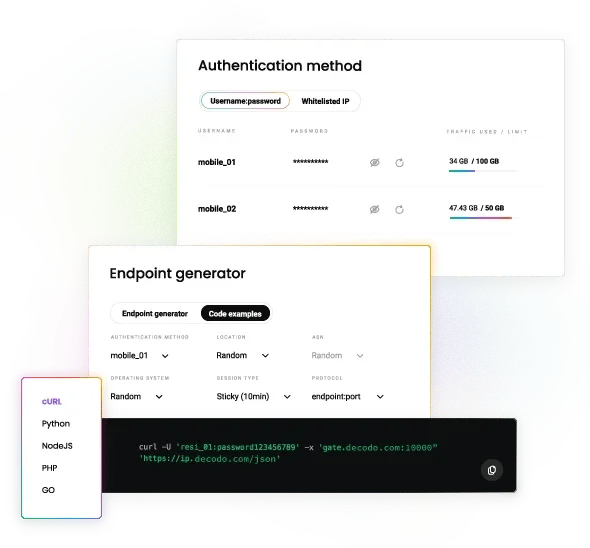
How do I set up mobile proxies with my existing tools?
Integrate mobile proxies with any popular language using our quick start guides and ready-to-use code examples.
Which targets can I reach using mobile proxies?
Gain access to SERP, social media, and eCommerce targets for all your AI dataset, benchmarking, and competitive intelligence needs.

Amazon

Walmart

Which browsers and tools can I configure with mobile proxies?
Connect Decodo proxies to the most popular third-party software out there.







What are the top use cases for mobile proxies?
Mobile proxies are built for data collection projects that demand authentic device identities and reliable access to mobile-first content.

Data collection for AI and automation
Feed your AI models with clean, geo-targeted mobile data. Use rotating proxies to build training sets, validate models, or scale automated workflows.

Multi-accounting
Create and manage multiple accounts on various platforms to grow your online presence with authentic mobile IPs that reduce detection risk.

App testing and development
Test apps and websites across different devices, OS versions, and locations to ensure the best user experience and highest conversion rates.

Ad verification
Verify that your marketing campaigns are displayed correctly to your target audience by simulating genuine mobile visitors from specific locations. Detect placement fraud and protect your brand with ad verification proxies.

Large-scale web scraping
Collect public data at scale with carrier-grade mobile IPs that mirror organic user behavior. Handle advanced access challenges on mobile-first websites that block datacenter IPs.

Brand protection
Scan marketplaces across 160+ locations automatically. Detect cloaking and unauthorized sellers using real mobile device IPs that see the same content as genuine users.
How do I set up Decodo mobile proxies step by step?
Check out our quick setup video and have your mobile proxies up and running in minutes.
What do users and industry experts say about Decodo?
1K+ reviewers and 135K+ users worldwide trust Decodo for its proven reliability, high performance, and industry-recognized expertise.

Attentive service
The professional expertise of the Decodo solution has significantly boosted our business growth while enhancing overall efficiency and effectiveness.
N
Novabeyond
Easy to get things done
Decodo provides great service with a simple setup and friendly support team.
R
RoiDynamic
A key to our work
Decodo enables us to develop and test applications in varied environments while supporting precise data collection for research and audience profiling.
C
Cybereg





What should I read next about mobile proxies?
Get technical insights on mobile proxies and discover use cases for your next project on our blog.
Most recent

ASOS Hacked: App Push Notification Claims Snowflake Breach
ASOS customers found an unwelcome alert on their phones on Tuesday, October 6, 2026. A push notification titled "ASOS HACKED," sent through the official app, claimed attackers had "fully compromised" the retailer's Snowflake instance and threatened a leak unless ASOS made contact via Telegram. ASOS hasn't confirmed the incident, and the claims remain unverified.

Benediktas Kazlauskas
Last updated: Oct 06, 2026
4 min read
Most popular
Residential vs. Datacenter Proxies: Which Should You Choose?
Residential and datacenter proxies both act as intermediaries that hide your real IP address, allowing you to access restricted websites and geo-blocked content. However, they differ in IP origin, stability, speed, and how websites perceive them. This residential vs. datacenter proxies guide breaks down their key differences.
Vilius Sakutis
Last updated: Sep 11, 2026
8 min read

Google Sheets Web Scraping: An Ultimate Guide for 2026
Google Sheets is a powerful data management tool, but few people know it can also pull data directly from the web without a single line of code. Using built-in import functions, you can scrape website content, parse tables, and pull live feeds straight into your spreadsheet. In this guide, you'll learn how to use IMPORTXML for XPath-based data extraction, IMPORTHTML for grabbing tables and lists, IMPORTFEED for RSS and Atom content, IMPORTDATA for CSV files, and IMPORTRANGE to link scraped data across spreadsheets. We'll also cover Google Apps Script for automation, common errors and how to fix them, and when to reach for a dedicated scraping tool instead.
Zilvinas Tamulis
Last updated: Mar 30, 2026
6 min read
What Is a Backconnect Proxy? A Complete Guide in 2026
Whether you call yourself a seasoned proxy user or just starting to leverage the power of proxies, it's always good to learn a thing or two. And this time, we're talking about backconnect proxies. In short, backconnect proxies allow you to remain anonymous while accessing the internet by constantly rotating your IP address. These proxies are useful for individuals or companies who need to navigate internet restrictions, monitor competitors, or run web scraping tools.
In this guide, we'll explore everything you need to know about backconnect proxies, how they work, and what benefits you're in for. Shall we begin?
Vytautas Savickas
Last updated: Jan 07, 2026
6 min read

What Is a Mobile Proxy? How It Works, Uses, and When to Use One
A mobile proxy is an intermediary that routes your traffic through a cellular network. This alone sets them apart from other proxy types in terms of anti-detection, geo-targeting granularity, and content exclusivity. This guide will cover how mobile proxies work under the hood, how they stack up against residential, ISP, and datacenter alternatives, and how you can configure one for yourself.
Robertas Lisickis
Last updated: May 07, 2026
10 min read
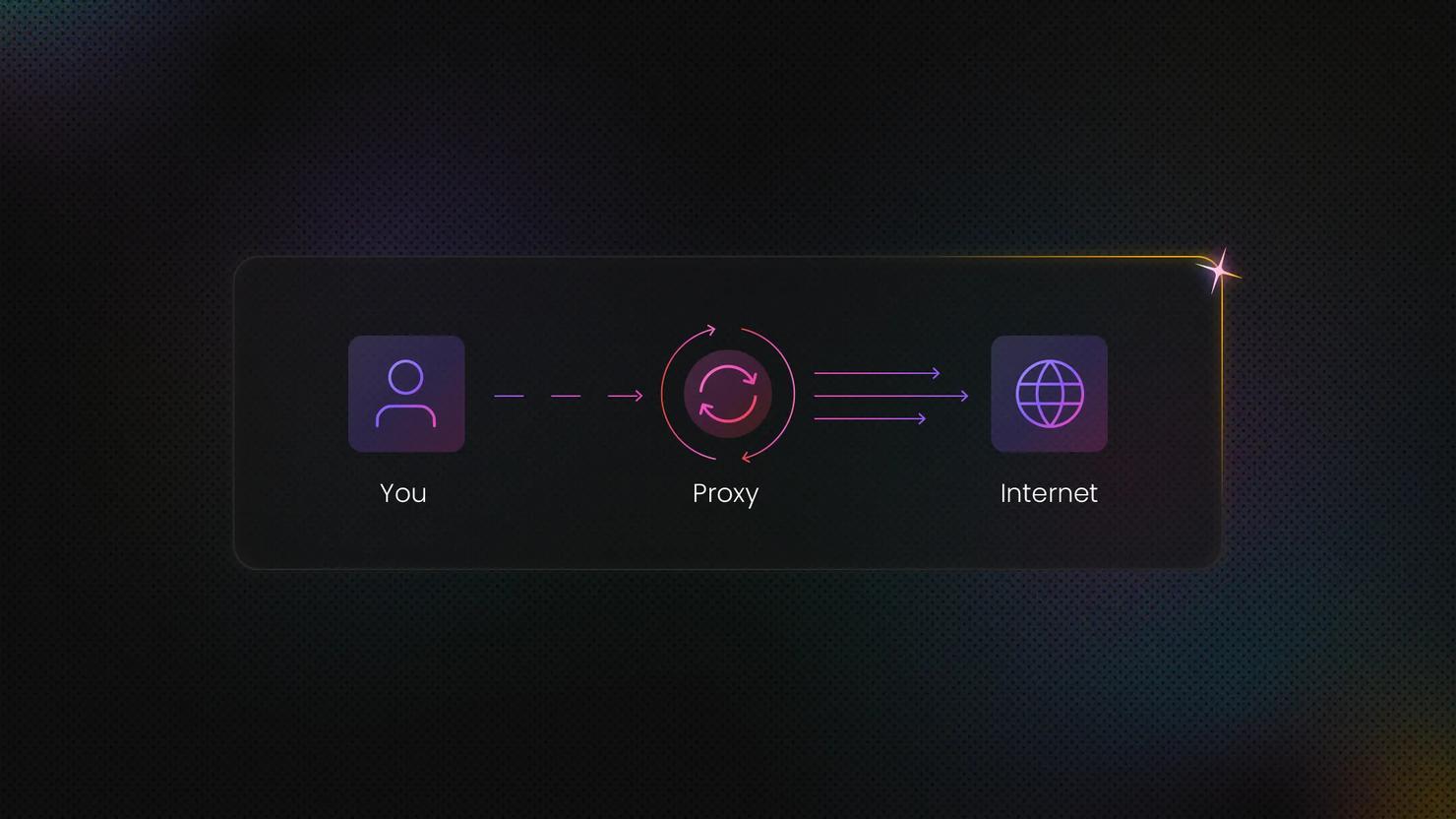
What Are Rotating Proxies? Types, Benefits & Use Cases
A rotating proxy is a proxy server that automatically assigns a new IP address at regular intervals or after each connection. In this guide, we'll delve into how rotating proxies work, the different types available, and the most common use cases where they offer a clear advantage.
Dominykas Niaura
Last updated: Apr 30, 2025
7 min read

Ad Verification Best Practices: A Comprehensive Guide
According to Markets and Markets research, the AdTech market is projected to grow from $579.4B (2023) to $1496.2B by 2030, with an annual growth rate of 14.5%. As the ad verification landscape accelerates, so does the need to collect publicly available real-time data.
In this guide, we’ll explore the essential strategies and techniques required to maintain ad integrity, combat fraud, and maximize campaign performance in this ever-changing industry. Our marketing experts gathered all the best practices
Vilius Sakutis
Last updated: Mar 25, 2024
6 min read
Frequently asked questions
What is a mobile proxy?
A mobile proxy is an intermediary server that routes your traffic through real mobile device IPs from 3G/4G/5G carrier networks. Mobile proxies work well for handling strict anti-bot systems, accessing geo-specific content, and collecting data from mobile-first websites that restrict datacenter IPs.
How do mobile proxies work?
Mobile proxies route your traffic through real mobile devices connected to 3G, 4G, or 5G carrier networks. Your requests appear to come from genuine mobile users rather than bots or datacenters, helping you maintain access and reach protected sites.
Here's how it works:
- When you send a request (visiting a website, collecting data, or making an API call), it goes to the mobile proxy network first.
- The proxy provider routes your request through a real mobile device active on the network. Each device has an authentic IP from a mobile carrier.
- The mobile device forwards your request using its carrier IP. The target website sees traffic from a regular mobile user, not a datacenter or automated source.
- The destination website processes the request as normal mobile traffic.
- The response travels back through the same mobile proxy to you, completing the cycle without exposing your original IP.
What are mobile proxies used for?
Mobile proxies are ideal for applications where trust and undetectability matter most, including:
- Accessing geo-specific and localized content
- Web scraping and large-scale data collection
- Ad verification and fraud detection
- App testing and mobile QA
- Multi-accounting and automation
- eCommerce monitoring and brand protection
How can mobile proxies help with AI workflows?
Mobile proxies provide access to real mobile IPs, which helps AI systems collect and interact with data more reliably across different regions and networks. They can support AI workflows such as data collection, model training, and automation by offering:
- Geo-diverse, real-world data that reflects different locations and carriers
- High-trust, human-like signals that reduce detection and CAPTCHAs
- Stable access to mobile-first experiences (apps, mobile SERPs, mobile-only content)
This enables teams to gather broader datasets, test AI-powered applications across regions, and build models based on more realistic user experiences.
What is a 4G mobile proxy?
A 4G mobile proxy is a proxy server that routes your traffic through 4G LTE mobile networks, using IPs assigned to real mobile devices by carriers. This makes requests appear to originate from mobile devices that are in your chosen location. You’ll get a high level of privacy and credibility, as mobile IPs are widely trusted.
Do you offer USA mobile proxies?
Yes, Decodo offers a large 3G/4G/5G mobile proxy pool in the US, plus 160+ other locations worldwide. You can target at country, city, and carrier level to test, collect data, or run campaigns with accurate US mobile footprints. We also offer Verizon proxies for specific carrier targeting.
Power Your Data Collection with Mobile Proxies
Access 10M+ 3G, 4G, and 5G mobile IPs from 700+ carriers across 160+ locations worldwide.
14-day money-back option