Parsing
Big data collection can be extra useful for analyzing business competition, records, trends, and other info. But, the thing is, you firstly need to sort the data you have and make sense of it. That's when parsing comes into play! Parsing saves you time and increases productivity, as it transforms unstructured and sometimes unreadable data into structured and readable one.
14-day money-back option

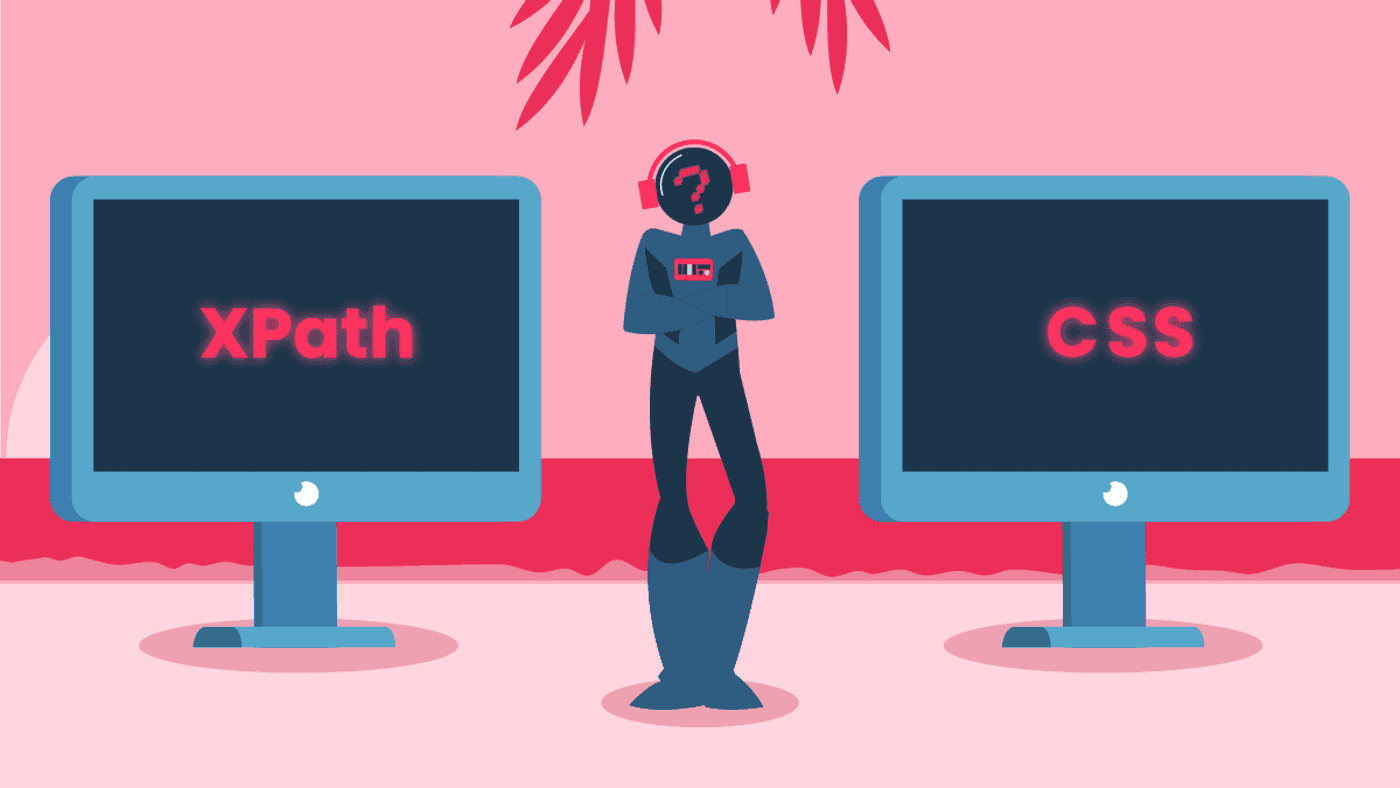
How To Choose The Right Selector For Web Scraping: XPath vs CSS
If you're fresh-new to data scraping, you may not be familiar with selectors yet. Let us introduce ya – selectors are objects that find and return web items on a page. These pieces are an essential part of a scraper, as they affect your tests' outcome, efficiency, and speed.
Yep, understanding the idea of a selector isn't that complicated. Finding the right selector itself might be. To be honest, even the two languages that define them, XPath and CSS, have their own pros and cons. So it can quickly become a headache to choose one of them. But here's some good news – we're here to help! Let's explore it together.

James Keenan
Last updated: Dec 21, 2021
11 min read

Digesting parsing: what is parsing?
Data parsing is the process of converting raw, unstructured data into well-structured and understandable information. In this article, we’ll explore what data parsing is, how it works, and the various parsing technologies that unlock a range of features to both businesses and individuals.
James Keenan
Last updated: Aug 25, 2021
12 min read