Benediktas Kazlauskas
Content & PR Team Lead

Benediktas is a content professional with over 8 years of experience in B2C, B2B, and SaaS industries. He has worked with startups, marketing agencies, and fast-growing companies, helping brands turn complex topics into clear, useful content.
At Decodo, Benediktas works with a talented team of content writers and creates insights-packed pieces on data, AI, and industry news. He’s also exploring how AI is changing content creation and marketing, and enjoys learning about practical ways businesses can use it.
Outside of work, you’ll often find Benediktas camping, traveling around Asia, or spending time with his dachshund, Miso.
Connect with Benediktas via LinkedIn.

How U.S. Companies Are Using External Data to Make Smarter Decisions in 2025
From emerging trends and consumer behaviors to potential risks, external data allows companies to gain a holistic view of the market. Access to data and tools powered by artificial intelligence (AI) has shifted how businesses make strategic decisions, using data to accelerate business growth and operational efficiency.
Read on as we uncover how companies have seen measurable results and increased revenue, as well as the top red flags to watch out for.

Benediktas Kazlauskas
Last updated: Jul 25, 2025
5 min read

How AI Secretly Gathers Data and What They're Not Telling You
Artificial Intelligence powers everything from chatbots to complex data analysis tools. But behind the sleek interfaces and impressive capabilities lies a hidden process – the petabytes of data collected. We sat down with our CEO, Vytautas Savickas, to discuss the AI revolution and how data is being collected to fuel various tools.
Benediktas Kazlauskas
Last updated: Mar 12, 2025
6 min read
Most Scraped Websites of 2025
Last year, we launched the industry's first Most Scraped Websites report, which examined the platforms most widely utilized as data sources and identified key trends in publicly available data collection. This year's edition reveals how increased demand for AI tools, agents, and LLMs has driven companies to diversify their data sources, reshaping the landscape of most-targeted platforms.
Benediktas Kazlauskas
Last updated: Sep 09, 2025
9 min read
Behind the Clicks: Most Scraped Websites of 2024
In 2006, British mathematician Clive Humby coined the phrase "data is the new oil." He pointed out that "much like oil, data holds significant value," meaning that big data’s potential remains untapped without proper structure and refinement. Over the next 18 years, more companies started collecting large amounts of data to get a bird’s eye view of the competition, unlock new growth opportunities, and explore the ever-changing user behavior. And in the AI era, more businesses are exploring the ability to employ robots to do their time-wasting data collection tasks.
Benediktas Kazlauskas
Last updated: Jul 03, 2024
10 min read
Top 5 Countries Leading the Dynamic Pricing Revolution
Dynamic pricing, the practice of adjusting product prices in real time based on demand, competition, inventory, and other market signals, has become one of the defining features of modern eCommerce. Once limited to airline tickets and hotel rooms, algorithmic pricing now touches nearly every product category, from groceries and fashion to electronics and home improvement supplies. Our second-annual Dynamic Pricing Index, compiled from over 1.5M data points tracked at four-hour intervals across more than 120 eCommerce platforms in 40+ countries, reveals the scale and sophistication of this practice.
Benediktas Kazlauskas
Last updated: Feb 19, 2026
8 min read
Are Prices Rising Due to the US-Iran Conflict?
On February 28, 2026, the United States and Israel launched joint strikes on Iran, triggering a series of attacks across the Middle East, closing airspace over the Persian Gulf, and disrupting shipping lanes that carry roughly 12% of global trade. Within days, the effects started showing up in online retail prices. Our pricing infrastructure tracks 120+ eCommerce platforms in 40+ countries, recording prices at four-hour intervals, creating a near real-time view of how global shocks propagate through digital marketplaces.
Benediktas Kazlauskas
Last updated: Mar 12, 2026
8 min read
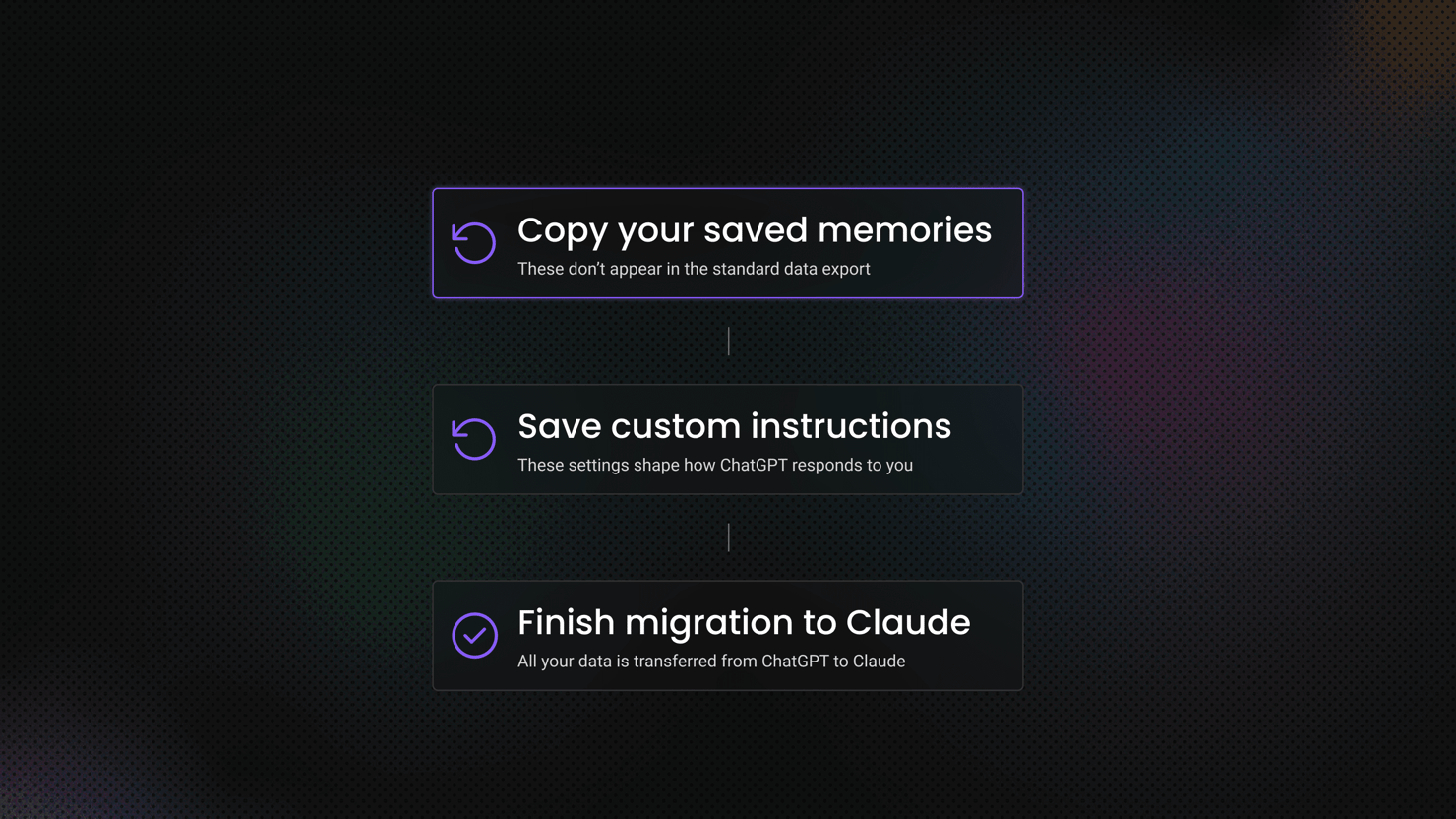
How to Switch From ChatGPT to Claude: The Complete 2026 Migration Guide
Switching from ChatGPT to Claude no longer means starting from scratch. Anthropic’s memory import tool lets you transfer preferences, context, and instructions in under 5 minutes. This guide covers 3 migration paths – from a quick memory import to a full data transfer, plus feature comparisons, export steps, and power tips.
Benediktas Kazlauskas
Last updated: Mar 06, 2026
8 min read

A New Chapter for Decodo: Vaidotas Juknys Steps Up as CEO
Decodo has a new CEO. Vaidotas Juknys, previously our Chief Commercial Officer, is stepping up to lead the company forward. Vytautas Savickas, who built Decodo into one of the most recognized names in the proxy and web data collection space, is moving to new ventures. Here’s what this means for our clients, our product, and our future.
Benediktas Kazlauskas
Last updated: Mar 25, 2026
2 min read

Google Disrupts World's Largest Residential Proxy Network: Why Ethical IP Sourcing Matters
Google Threat Intelligence Group, together with Cloudflare, Spur, and Lumen's Black Lotus Labs, announced that it dismantled IPIDEA, one of the world's largest residential proxy networks, reducing available devices for proxy operators by millions. The network facilitated espionage operations, cybercrime, and botnet attacks while hijacking consumer bandwidth without proper consent. In a single 7-day period in January, over 550 individual threat groups from China, DPRK, Iran, and Russia used IPIDEA infrastructure to mask malicious activities. This disruption highlights a critical but often overlooked risk in digital operations. How companies source IP addresses and proxy services directly impacts security posture, regulatory compliance, and ethical standing in an increasingly scrutinized digital landscape.
Benediktas Kazlauskas
Last updated: Jan 29, 2026
8 min read
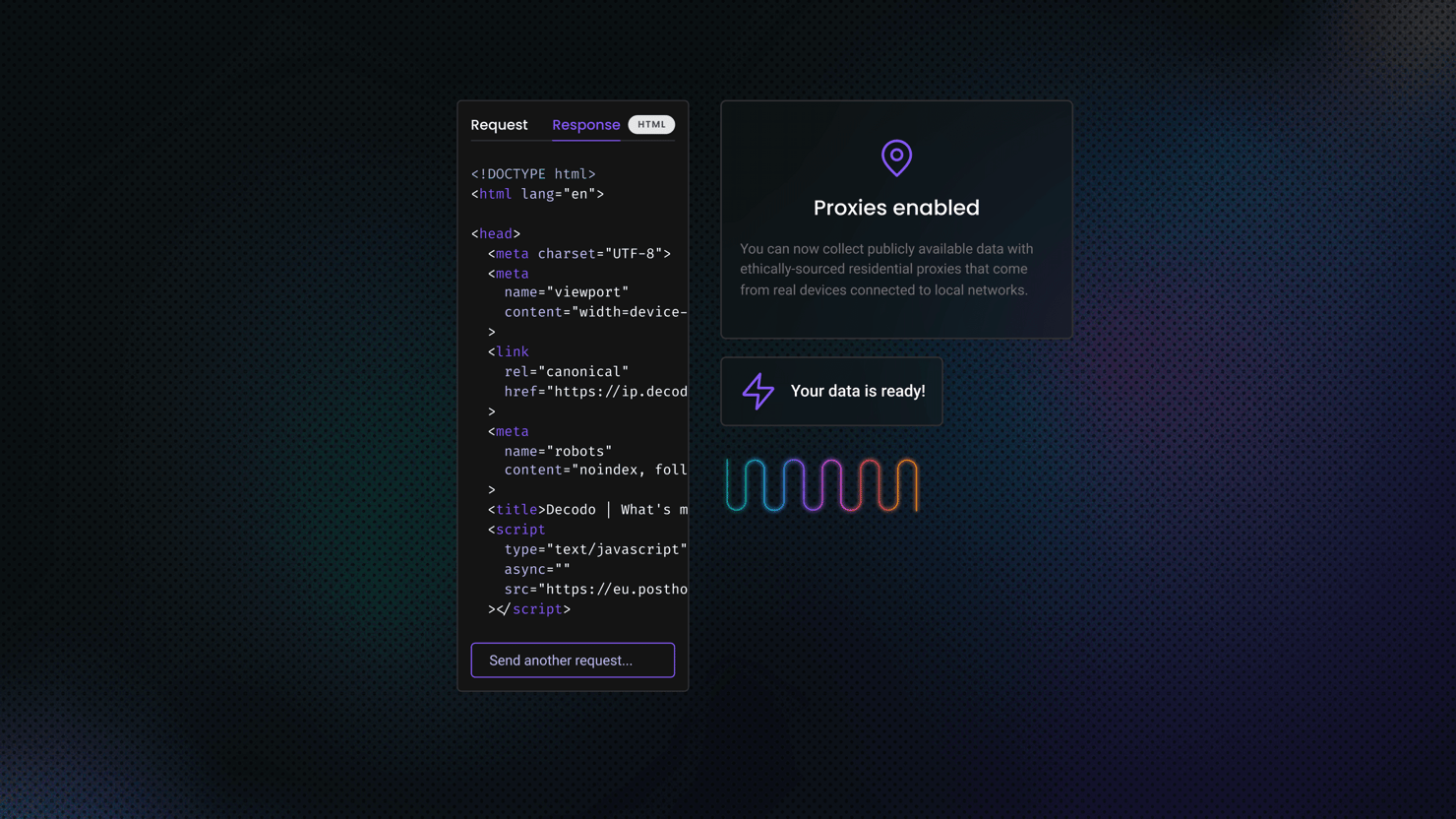
Web Scraping Without Getting Blocked: A Practical Guide for 2026
Web scraping without getting blocked is one of the hardest challenges you might face. Whether you’re a business conducting market research or a solopreneur working on your next big thing, most scrapers fail not because the code is wrong, but because websites now run layered detection that flags bots before a single byte of HTML is returned. This guide breaks down all the detection layers, including network, TLS, browser, and behavioral, and delivers the best techniques on how to overcome each.
Benediktas Kazlauskas
Last updated: Apr 23, 2026
12 min read
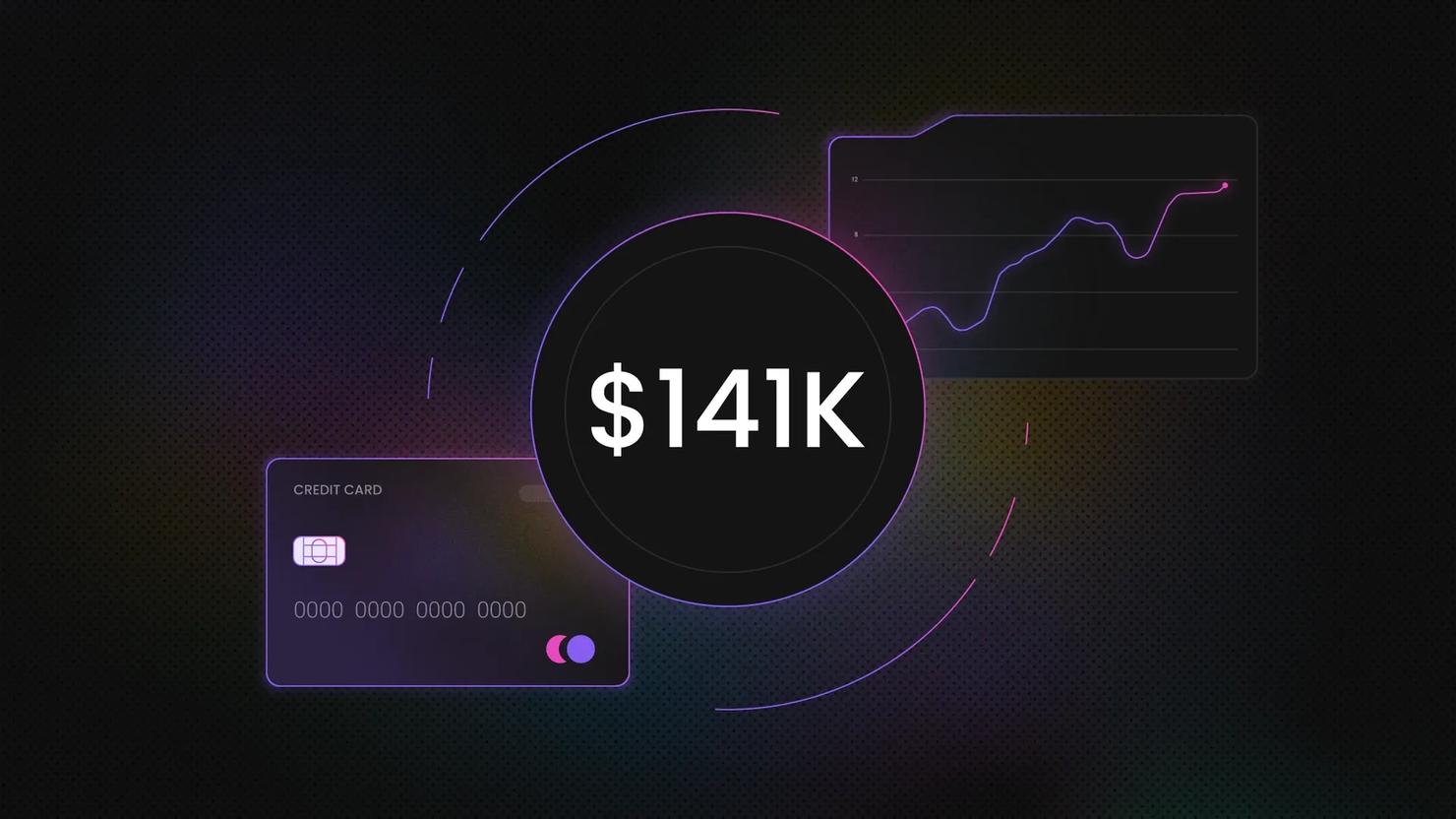
The $141K Invisible Employee: What Your B2B Tech Stack Is Really Costing You
Most B2B companies treat their SaaS subscriptions as a handful of manageable line items. We decided to calculate the real number from scratch by aggregating pricing for every tool in a typical stack. For a 50-person company, the total exceeds $141K per year – more than the salary of a senior engineer or VP-level hire. Here’s a complete breakdown of how a handful of "just $99/month" subscriptions quietly add up to a six-figure line item.
Benediktas Kazlauskas
Last updated: Apr 21, 2026
7 min read
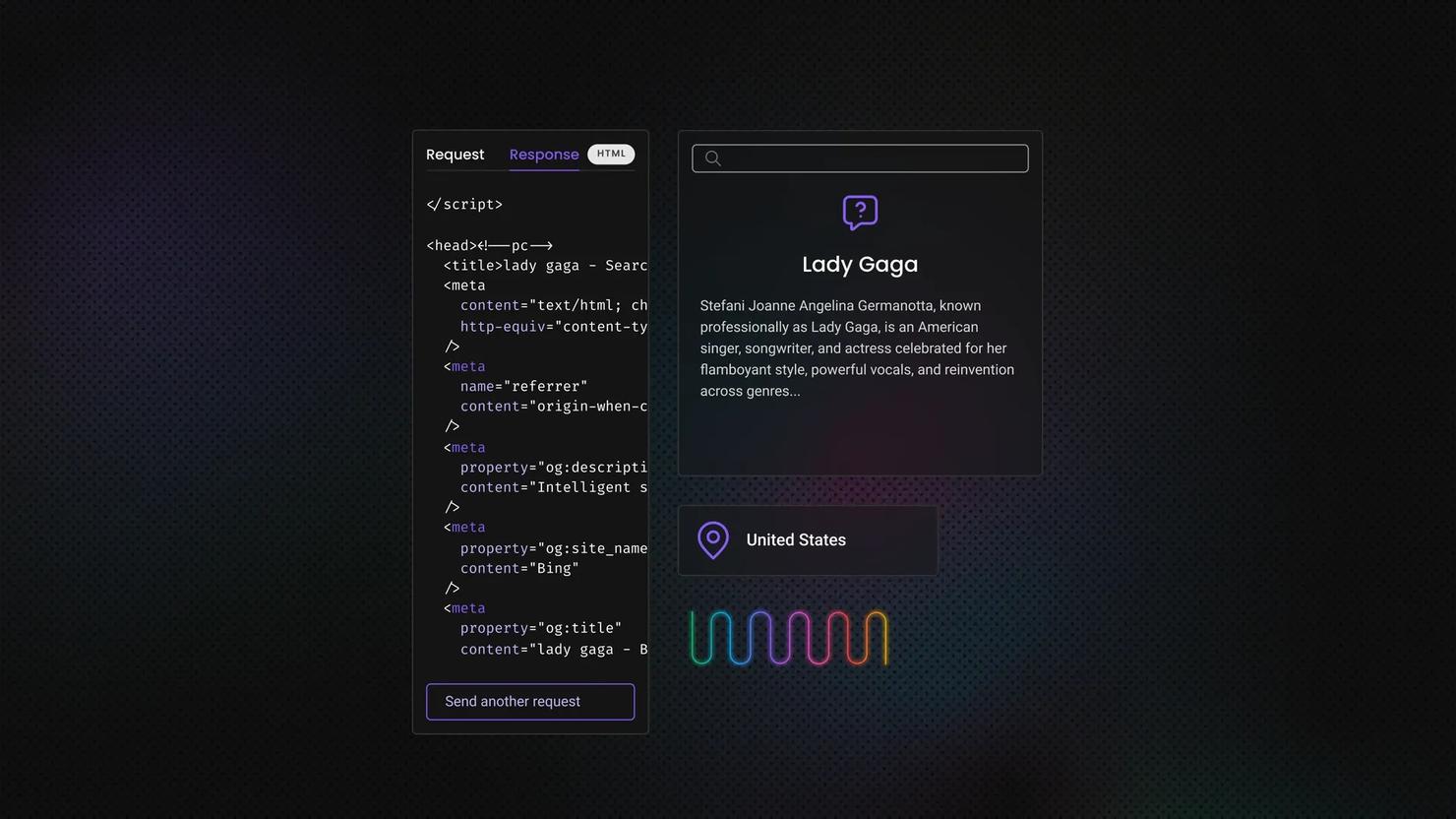
Best Bing Rank Tracker in 2026: Top Solutions Compared
A Bing rank tracker is a tool or API that monitors where your website ranks in Bing search results for specific keywords. Since Microsoft retired all Bing Search APIs in August 2025, third-party solutions are the only way to track Bing rankings programmatically. This guide compares the best Bing rank trackers in 2026, covering SERP scraping APIs, all-in-one SEO platforms, pricing, and how to set up these tools.
Benediktas Kazlauskas
Last updated: Mar 19, 2026
9 min read
The Pricing Game Begins: How US Retailers and Buyers Prepare for Black Friday
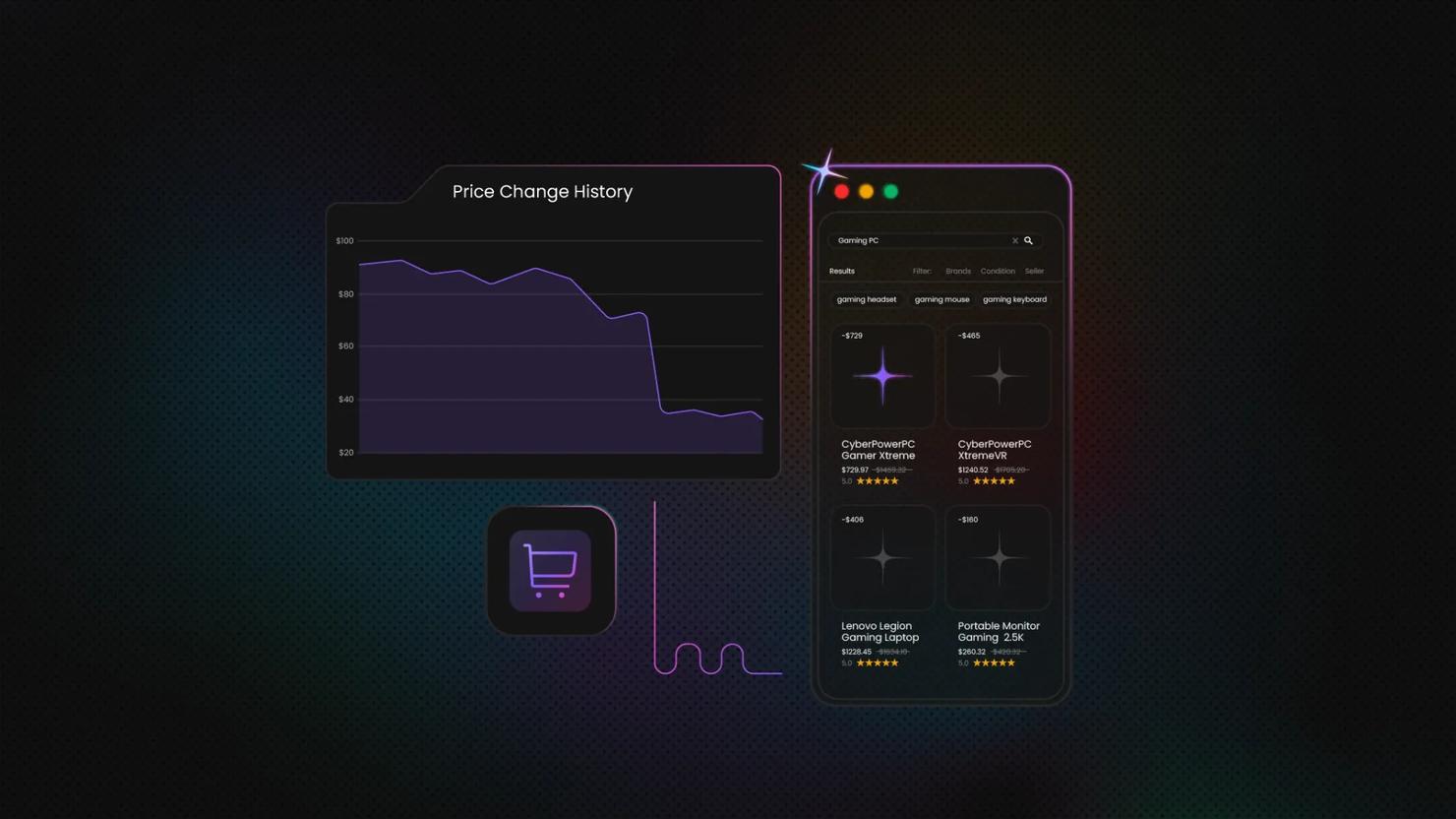
As the biggest shopping festival of the year approaches, a dynamic shift occurs across thousands of online storefronts. Prices fluctuate by the hour, algorithms compete for consumer attention, and shoppers equip themselves with AI-powered price trackers and browser extensions. Black Friday has grown from a single-day shopping event into a months-long strategic tango between retailers and increasingly savvy consumers.
An exclusive analysis by web data company Decodo of 150K+ price observations across 37 major US eCommerce retailers, tracked throughout the year, reveals the complex strategies both sides deploy. The data paints a picture of a retail ecosystem in constant flux, where timing, category selection, and pricing algorithms can mean the difference between a genuine deal and clever marketing tricks.
Benediktas Kazlauskas
Last updated: Nov 13, 2025
9 min read

Digital Squatting Is Becoming a Big Problem for Brands Worldwide
In 2025, the World Intellectual Property Organization (WIPO) handled a record 6.2K domain name disputes, marking the highest total in the organization's history. This figure represents a continuation of the alarming upward trend, with cybersquatting cases rising 68% since the 2020 pandemic. Domain squatting has evolved far beyond a simple trademark nuisance. Today, criminal networks register fake domains to steal customer data, distribute malware, and destroy brand reputations built over decades.
Benediktas Kazlauskas
Last updated: Jan 27, 2026
8 min read
Memorial Day Sales 2026: Best Days and Deals to Shop
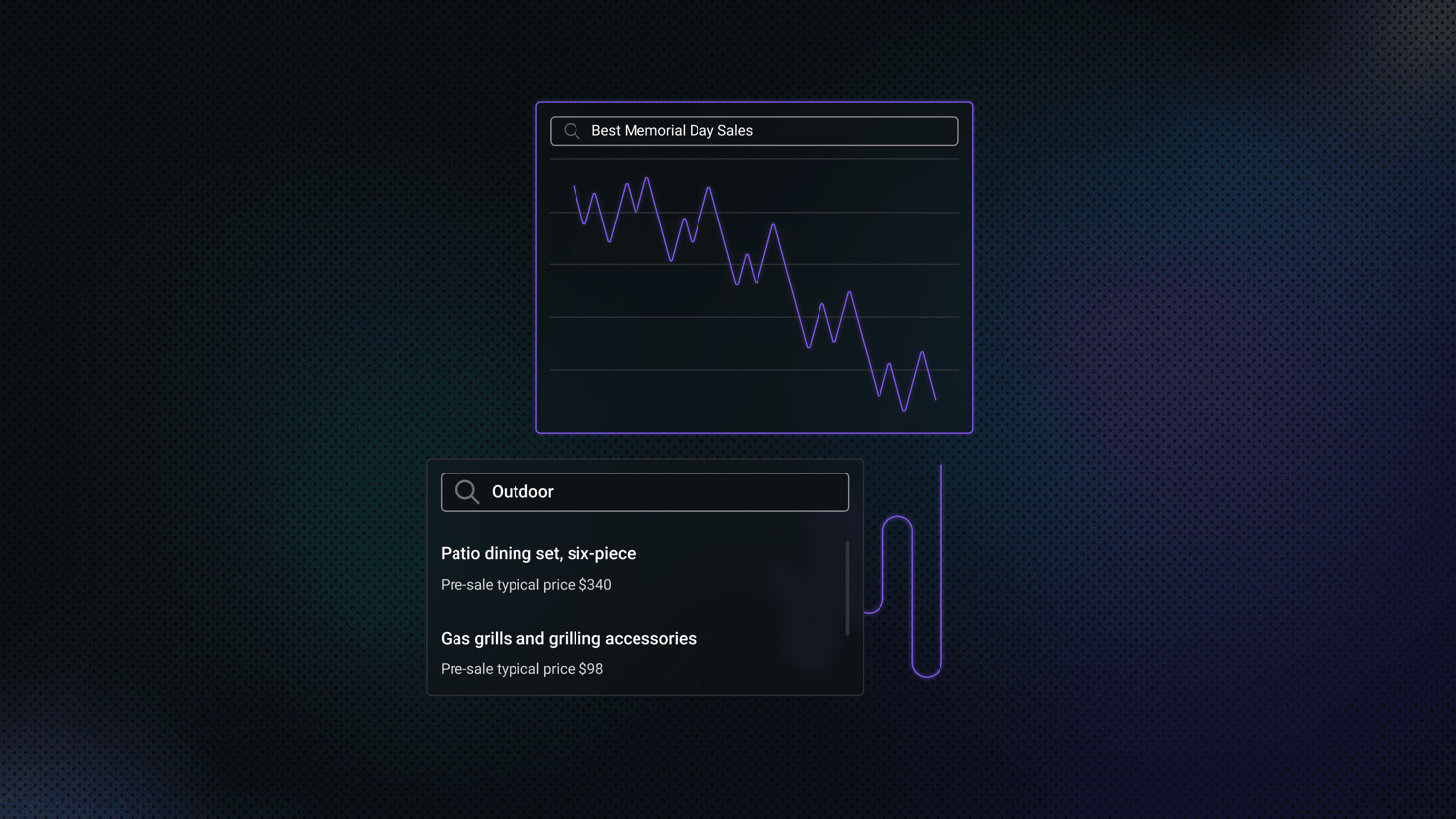
Memorial Day weekend lands on Monday, May 25, 2026, opening one of the most aggressive sales events on the U.S. retail calendar. With more shoppers planning to participate but spending less per trip, the next two weeks will reveal which retailers, categories, and days deliver real savings, and which discounts simply look loud.
Benediktas Kazlauskas
Last updated: May 13, 2026
10 min read

Smartproxy.org Impersonates Our Brand And Routes Users Into IPs Tied To IPIDEA
Smartproxy.org has nothing to do with us. The website impersonates the former name of our company, Smartproxy, which we dropped back in April 2025. Independent research from Proxyway now shows something worse than name confusion. Roughly 38% of Smartproxy.org’s IPs overlap with IPIDEA, the proxy network Google disrupted in January 2026.
Benediktas Kazlauskas
Last updated: May 22, 2026
4 min read

Is Web Scraping Legal? Guide to Laws, Cases & Compliance
Web scraping extracts data from websites using automated tools. It's become a standard practice for businesses gathering competitive intelligence, training AI models, and building data-driven products. But the big question remains – is web scraping legal? The answer depends on what you scrape, how you scrape it, where the data comes from, and what you do with it next.
Benediktas Kazlauskas
Last updated: Oct 15, 2025
5 min read
Anthropic Blocks OpenClaw From Claude: What Happened and What to Do Now
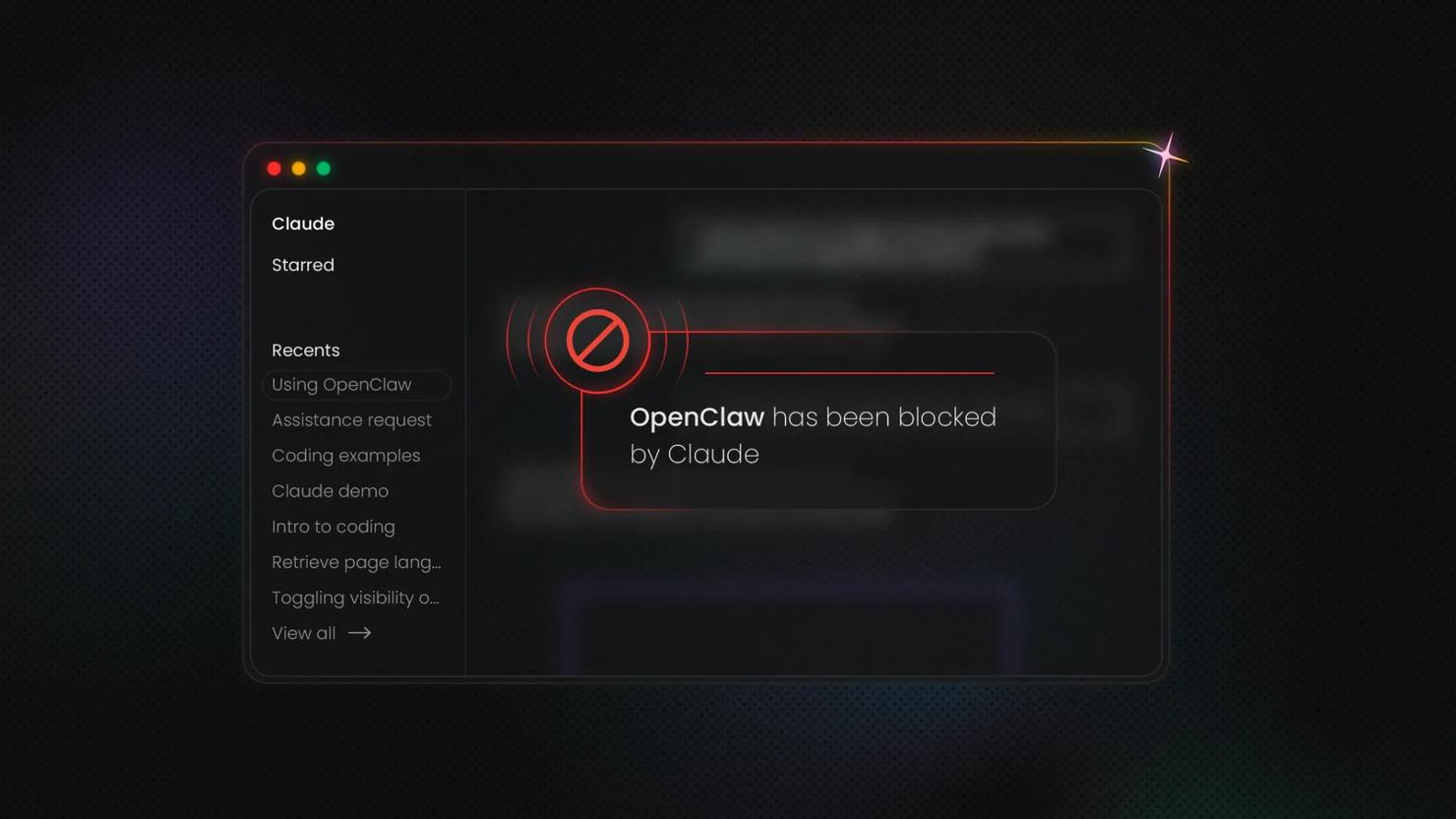
On 4 April 2026, Anthropic blocked Claude Pro and Max subscribers from using OpenClaw and other third-party AI agent frameworks under their flat-rate plans. The change forces affected users onto pay-as-you-go billing, with some facing cost increases of up to 50 times their previous monthly spend. Here's what happened and what you can do about it.
Benediktas Kazlauskas
Last updated: Apr 09, 2026
6 min read

Why UK Users Are Replacing VPNs with Proxies
With growing discussions around tighter regulations and potential restrictions on VPN use in the UK, many businesses are already seeking alternatives to avoid getting caught in the crackdown. Proxies have quickly become the go-to solution for those who need reliable access to geo-restricted content or want to maintain control over their digital footprint without facing possible restrictions.
Benediktas Kazlauskas
Last updated: Jul 30, 2025
4 min read

How to Use Claude Fable 5 for Web Scraping
Web scraping with Claude Fable 5 turns slow data collection into a fast, mostly hands-off job. Fable 5 is Anthropic's most capable model (yet), and it can write scrapers, run them, repair its own errors, and return clean, structured data. This article walks through setup, real use cases, prompt patterns, costs, and the limits worth knowing.
Benediktas Kazlauskas
Last updated: Jun 10, 2026
4 min read

Hermes Agent vs. OpenClaw: Features, Scraping, and Proxy Setup Compared
If you're choosing Hermes Agent vs. OpenClaw, you're looking at the two most popular open-source agent frameworks of the year. Both run AI agents on their own, work inside your messaging apps, and call tools for you. This guide compares both of these agents' features, use cases, and possible third-party integrations.
Benediktas Kazlauskas
Last updated: Jun 12, 2026
4 min read

Why the Biggest Black Friday Discounts Aren’t Always the Best Deals
Only 2% of discounted products are cheapest on Black Friday, but why are so many people still crazed about buying something? Since the first big Black Friday, this shopping festival got the tag as the best day to buy various items in brick-and-mortar and online stores. However, with record sales every year and growing competition, retailers have started to employ advanced strategies during this shopping season, making many of these deals not as valuable as they might appear.
Benediktas Kazlauskas
Last updated: Nov 19, 2024
6 min read
What Are The Most Volatile eCommerce Categories?
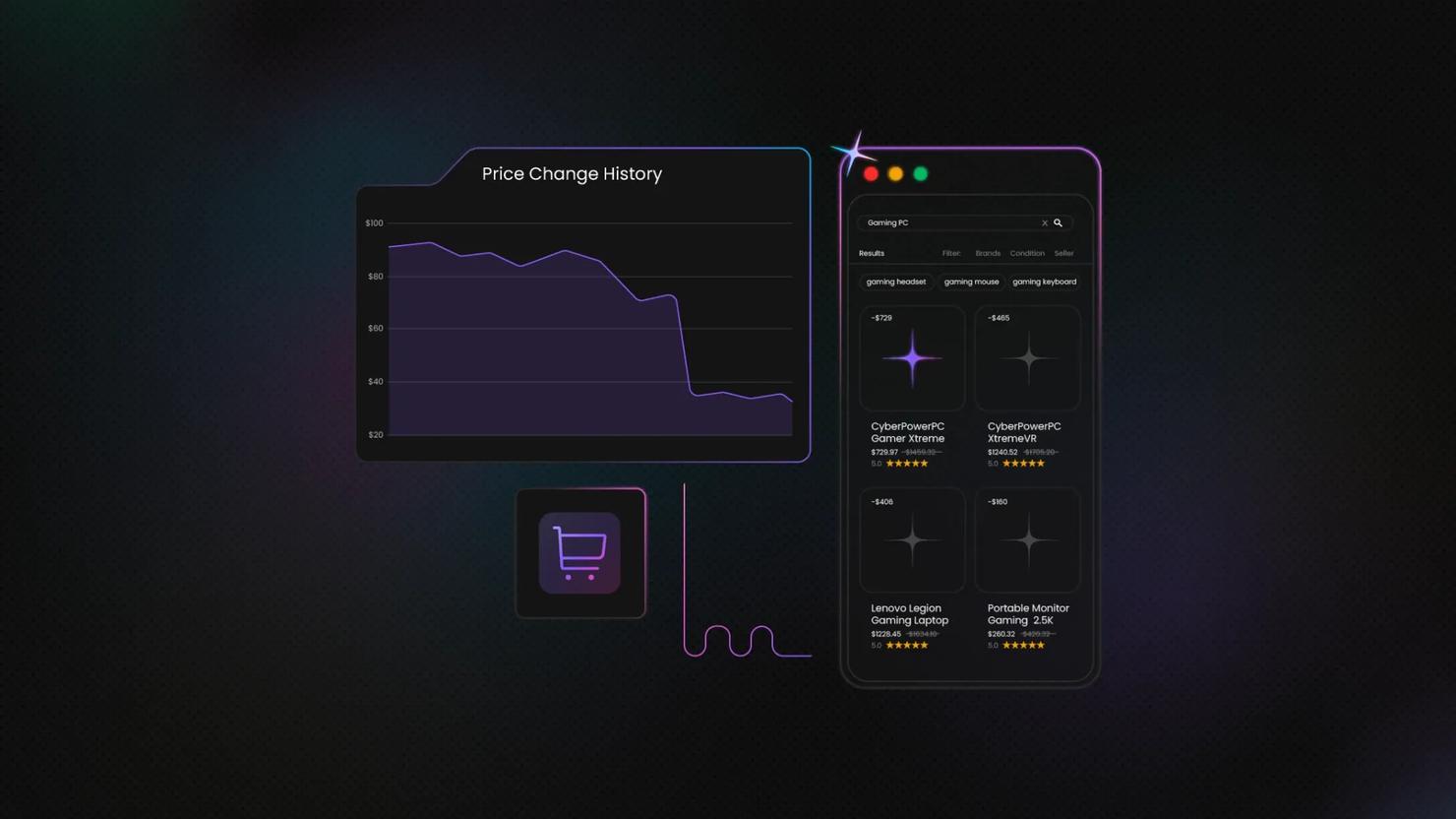
If you’ve ever added a product to your cart only to find the price has shifted by the time you check out, you’ve experienced dynamic pricing in action. What once seemed like sporadic discounting is now a sophisticated, algorithmically driven discipline that reshapes prices across millions of products every hour of every day.
Benediktas Kazlauskas
Last updated: Feb 19, 2026
8 min read

From Concert Tickets to Cart Prices: Can AI-Powered Pricing Be Fair?
Dynamic pricing is everywhere – from the flight you booked last week to the headphones in your cart right now. But as AI-powered algorithms grow more sophisticated, adjusting prices millions of times a day based on demand, competition, and increasingly personal data, a critical question is emerging – is this still fair? We analyzed over 1.5M eCommerce price changes and introduced our second-annual Dynamic Pricing Index to find out what’s really happening beneath the surface.
Benediktas Kazlauskas
Last updated: Feb 19, 2026
6 min read

How Retailers Are Still Playing Mind Games With Your Wallet
There's a reason that a flat-screen TV costs $999 instead of $1,000. That grocery item rings up at $4.99, not $5.00. Your new sneakers are priced at $79.95, conveniently avoiding the psychological cliff of $80. It's called psychological pricing, and according to our Dynamic Pricing Index report of over 1M price observations on 120 eCommerce platforms, it's not just alive and well in eCommerce. It's absolutely everywhere.
Benediktas Kazlauskas
Last updated: Feb 19, 2026
8 min read

Bots vs. Humans: How AI Tools Are Rewriting Who Uses the Internet
In June 2026, bot traffic vs human traffic flipped for the first time. Cloudflare Radar measured 57.4% of web requests as automated and 42.6% as human. AI tools drove the change. This article breaks down where bots dominate, which countries skew human, and what businesses building or buying AI tools should do about it.
Benediktas Kazlauskas
Last updated: Jul 08, 2026
5 min read

Smartproxy vs Decodo: Complete Transition Guide
If you're comparing Smartproxy and Decodo, here's the most important thing to know – it’s the same company, just under a brand new name. This isn't a comparison between competitors, it's a guide to understanding how Smartproxy evolved into Decodo, bringing you enhanced capabilities while maintaining everything that made us the best value provider in the market.
Benediktas Kazlauskas
Last updated: Aug 01, 2025
6 min read
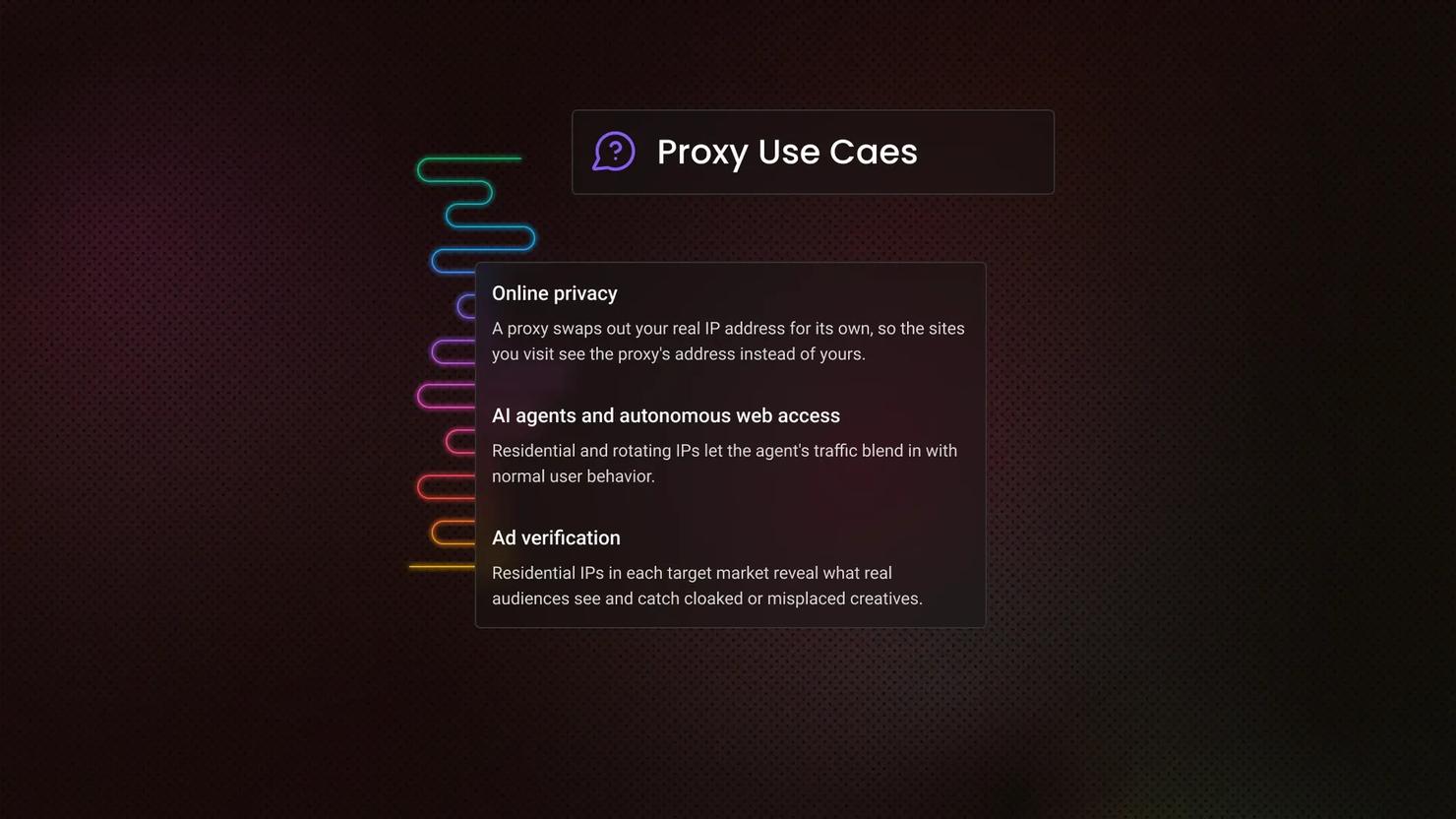
What Are Proxies Used for? 12 Common Proxy Use Cases
A proxy is an intermediary server that routes your request through its own IP address before it reaches the destination. So what are proxies used for? Far more than hiding a single IP. People use them for privacy and access, and businesses use them for scraping, monitoring, and market intelligence. This guide covers both, plus how to pick the right type.
Benediktas Kazlauskas
Last updated: Jul 22, 2026
7 min read
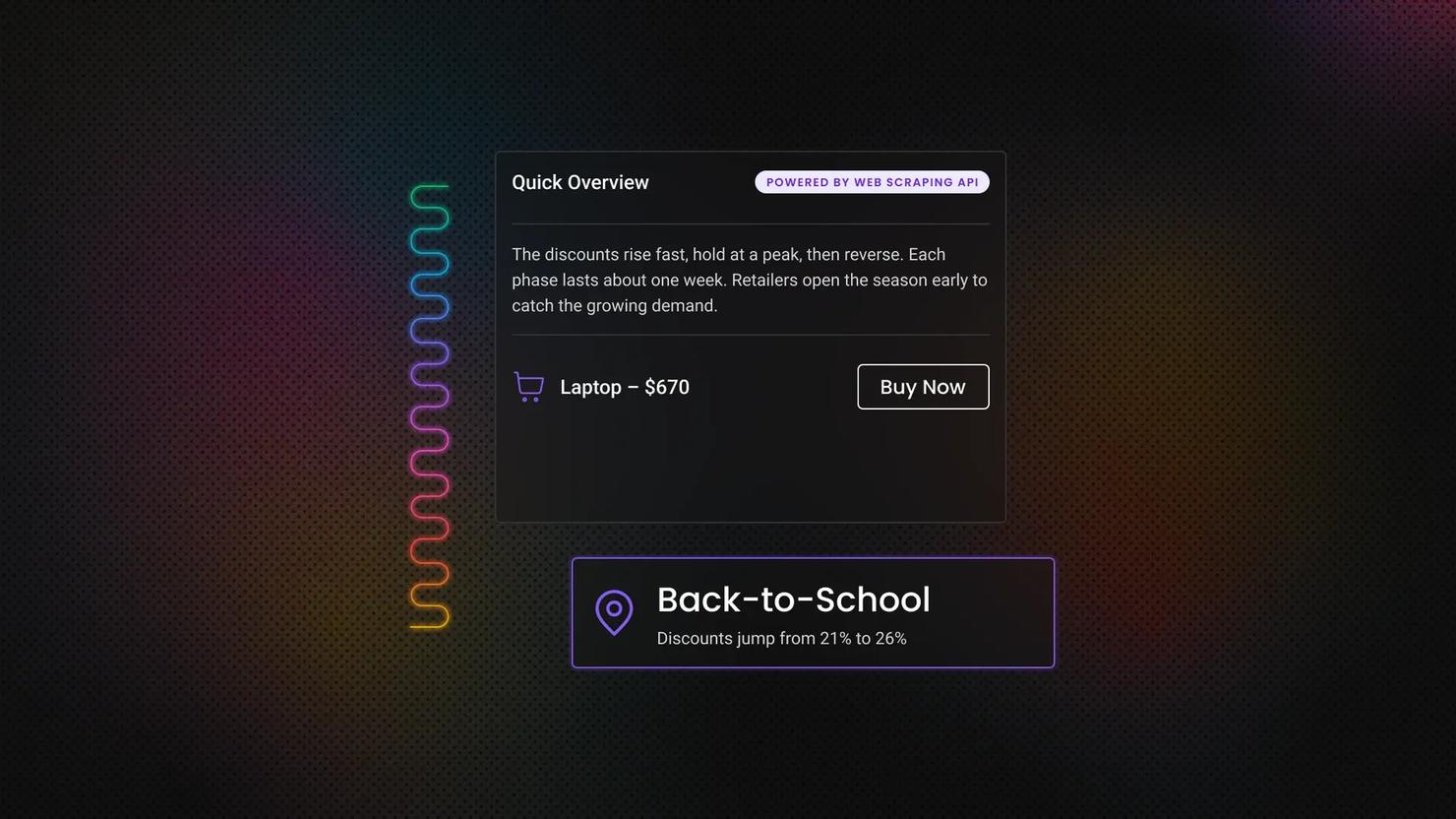
Back-to-School Price Drops 2026: Weekly Data
Back-to-school sales reshape prices across the web every year, and 2026 is no exception. Using Decodo's Web Scraping API alongside historical data from the Dynamic Pricing Index, we tracked seasonal pricing patterns at US retailers from July through September. The results reveal a clear pattern – discounts jump sharply once the season starts, with fashion and electronics reacting the most.
Benediktas Kazlauskas
Last updated: Jul 27, 2026
4 min read

How To Switch From Google to DuckDuckGo
Want to switch from Google to DuckDuckGo? You've got company. DuckDuckGo says traffic to its No AI search page tripled after Google’s I/O 2026 conference on May 19. Daily visits sit around 84% above their old average. This guide explains the move and shows you how to switch.
Benediktas Kazlauskas
Last updated: Jun 02, 2026
3 min read
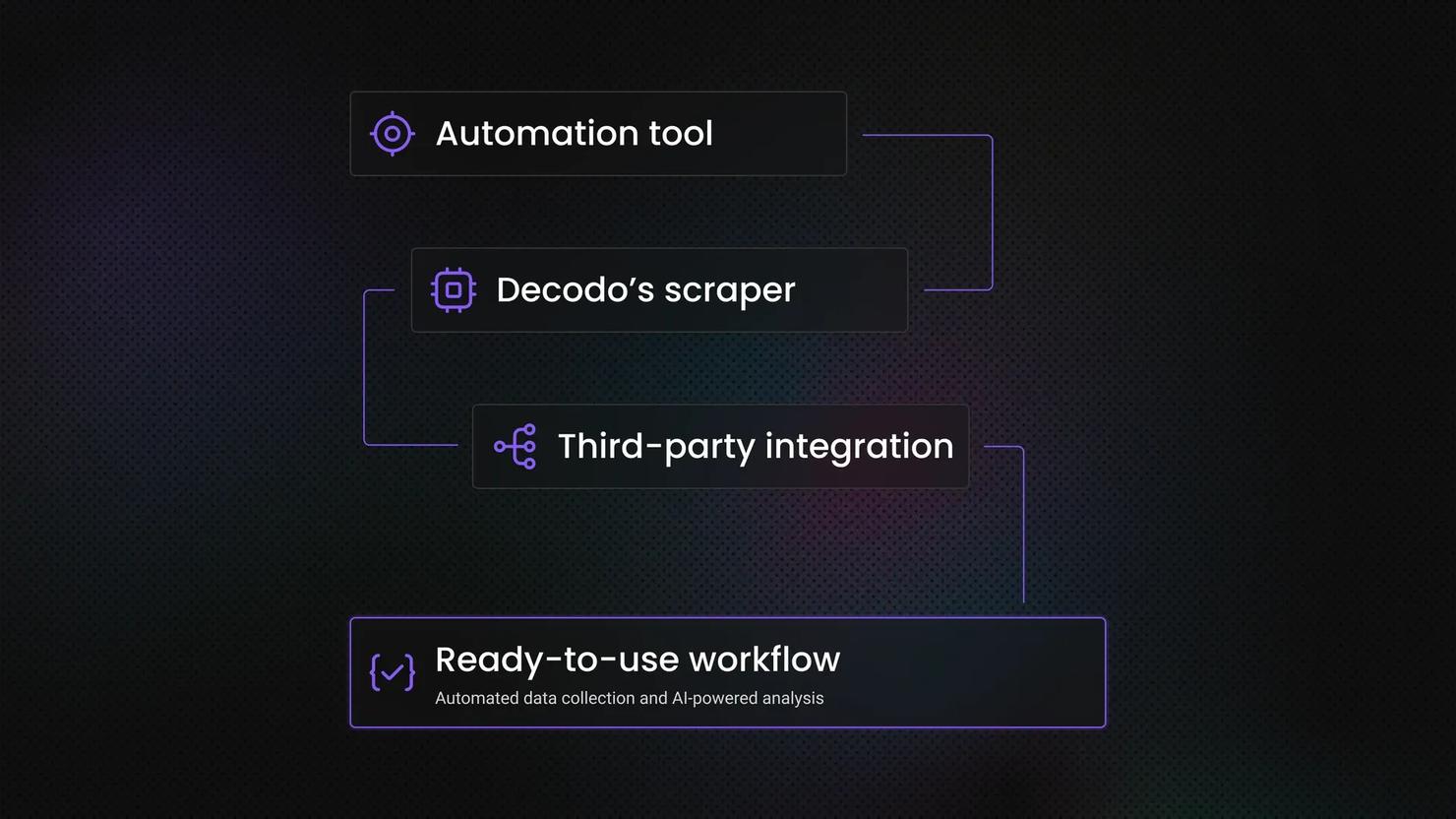
OpenClaw vs. n8n: Which AI Automation Tool Is Right for You?
AI-powered automation has moved from niche tooling to a 2026 priority. Tools such as OpenClaw turn large language models into proactive messaging assistants, while n8n offers a visual workflow builder for connecting apps and orchestrating processes. This guide compares their architecture, AI capabilities, pricing, and best-fit use cases so you can quickly decide which tool matches your needs.
Benediktas Kazlauskas
Last updated: Feb 25, 2026
9 min read
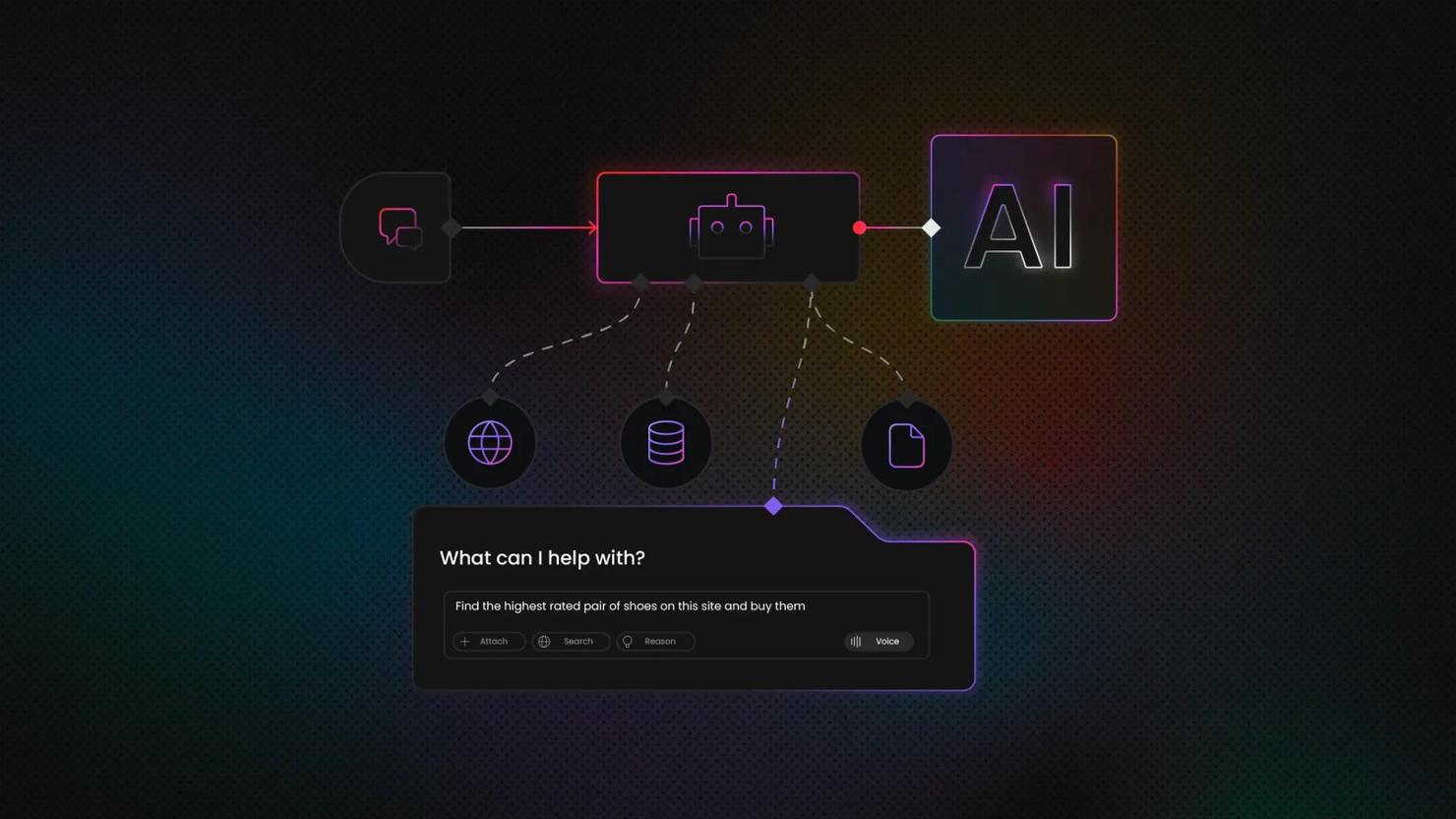
Agentic Capability Report: Scoring AI Tools on Real Tasks
The Agentic Capability Report scores 45 AI browser agents on 10 tasks that matter in daily use. Most vendors describe similar capabilities in their docs, but real-world testing tells a different story. This report separates what's documented from what actually holds up, so you know which tools are ready to act on your behalf and which ones are still working out the details.
Benediktas Kazlauskas
Last updated: Aug 26, 2026
6 min read

Best Web Scraping Proxies in 2026: Providers, Types, and How To Choose
The best web scraping proxies stop your scraper from getting rate-limited, CAPTCHA-walled, or banned outright. Pick the wrong one and the blocks start within minutes. What works depends on your target, your scale, and your budget. This guide walks through the proxy types, how to choose, the providers worth knowing, and how to actually run them.
Benediktas Kazlauskas
Last updated: Jul 21, 2026
8 min read

What's Changing in Google Search Results with Google.com/goto Links?
Google is rolling out a new redirect link called google.com/goto inside its search results. Many links now route through this address before reaching the real page. The rollout reached near-complete coverage by late August 2026, and it changes how tools read Google's results pages.
Benediktas Kazlauskas
Last updated: Aug 31, 2026
6 min read

GPT-6 Astra Web Scraping: What the Model Changes for You
GPT-6 Astra web scraping brings a longer context window and sharper browser control to page parsing. OpenAI released the model on September 3, 2026, with a staged rollout across ChatGPT and the API. This article covers what changed for scraping and how it compares to previous ChatGPT models.
Benediktas Kazlauskas
Last updated: Sep 04, 2026
7 min read
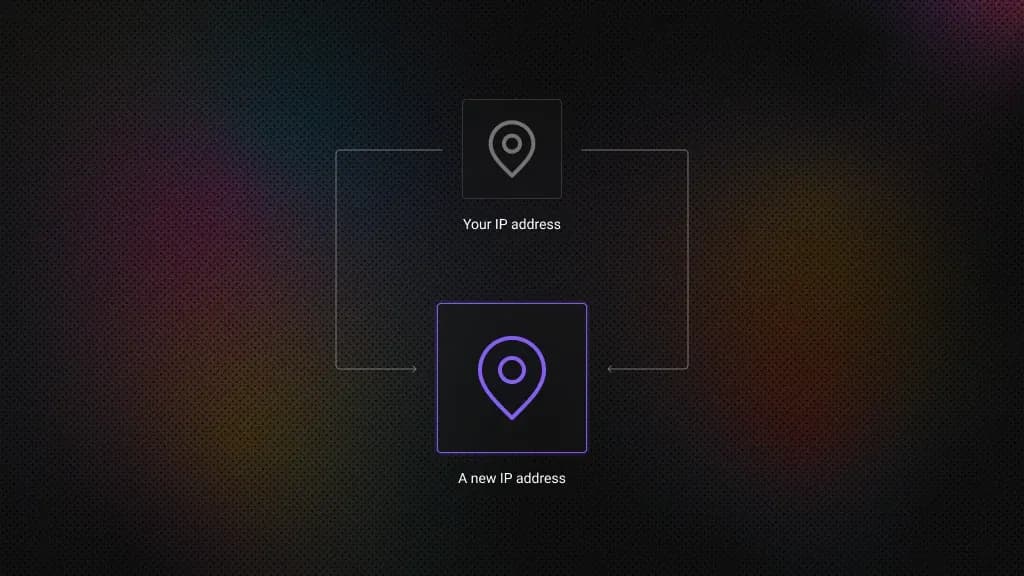
Fake IP Address: What Is It and Why Shouldn't You Use It?
When we scale businesses, do research, or just scroll leisurely, it's always a good idea to be clued up on online security. Whatever your reasons for running your eyes over a web browser are, anonymity and privacy are two pretty important players here. The thing is that any browser, website, system, or network can see our IP address. Some of them might even log your IP address and track it. In this blog post, we’ll go over the dangers of using free software, fake IPs, and the illegal aspects of using IP information.
Benediktas Kazlauskas
Last updated: Nov 05, 2025
6 min read

Most Scraped Websites Of 2026: AI Platforms Enter The List
Decodo tracks scraping requests across its user base every year. The most scraped websites of 2026 include ChatGPT and Perplexity for the first time. TikTok, Google, Naver, Make.com, Target, Amazon, GitHub, and Stack Overflow round out the list.
Benediktas Kazlauskas
Last updated: Sep 10, 2026
5 min read
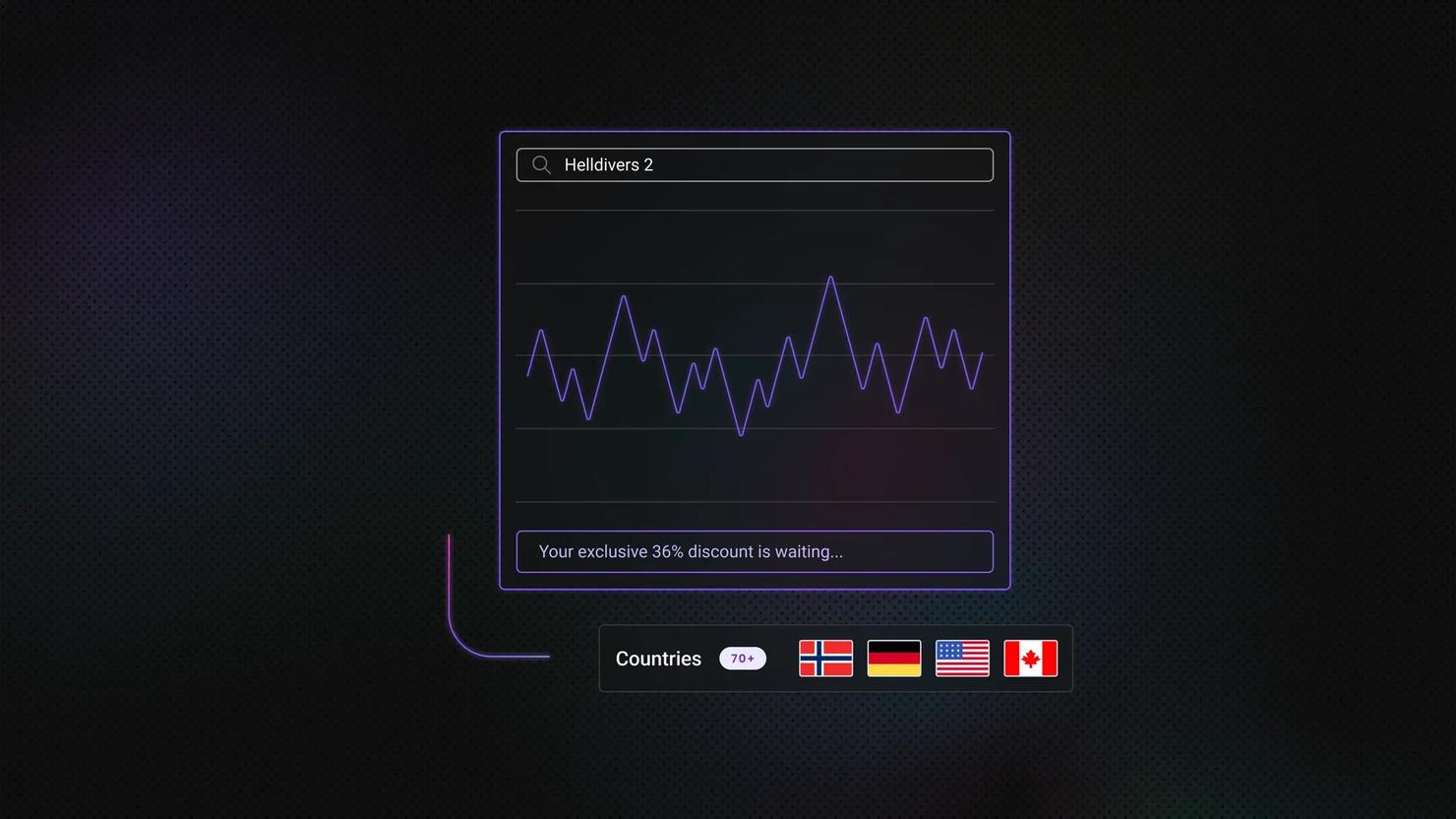
Is PlayStation Store Testing Dynamic Pricing?
Sony has been quietly testing dynamic pricing on the PlayStation Store, showing different users different prices for the same games. First spotted by a Reddit user and later confirmed through API tracking, the experiment now spans over 190 titles across 70+ regions. Here's what we know so far, how it could affect your purchasing decisions, and what savvy shoppers can do to make the most of it.
Benediktas Kazlauskas
Last updated: Mar 13, 2026
7 min read