Data Collection
The process of data collection is vital in all kinds of industries. It helps businesses learn about the market, know their customers better and adapt to their needs. Data collection can be automated by scraping a set target. It’s extra useful for analyzing business competition, records, trends, and other data.
14-day money-back option


How to Scrape Websites with PowerShell: A Complete Guide
PowerShell is already where many Windows admins, DevOps teams, and automation-minded developers handle repetitive work. That makes web scraping a natural next step when you need product prices, uptime signals, public data for reports, or quick checks from the terminal. PowerShell works well here because output is pipeable, objects are native, and CSV and JSON exports are built in. In this guide, you'll build a scraper that fetches pages, parses HTML, handles pagination and errors, uses proxies when needed, and exports structured data.

Justinas Tamasevicius
Last updated: May 04, 2026
12 min read

Top Python Scraping Libraries: Overview, Comparison, and How to Choose the Right One
Python has the richest scraping ecosystem of any language. That breadth is exactly why making a choice is harder than it should be. This article continues from our Python web scraping guide, focusing on the selection problem: 8 libraries across 4 categories, what each one does best, where it breaks down, and how to choose the right one for the job.

Vilius Sakutis
Last updated: Apr 30, 2026
20 min read

How To Use ScrapeGraph AI for Web Scraping in 2026
Web scraping used to mean extracting data with CSS selectors, and then rebuilding your scraper every time a target changes its layout. Here's the good news: ScrapeGraph AI takes a new approach as it uses LLMs to extract data from websites based on meaning, so you can describe what you need in natural language while the library handles the rest for you. In this guide, you'll learn how ScrapeGraph AI works and how to configure it to export structured datasets in the right formats. The tools we'll use are Python, ScrapeGraph AI, and Decodo proxies.

Kipras Kalzanauskas
Last updated: Apr 30, 2026
20 min read

Golang Headless Browser: Complete chromedp Tutorial
A plain Go HTTP client only sees the HTML the server returns. That's enough for static pages. It breaks down when JavaScript renders the real content later, which is common on SPAs, infinite-scroll interfaces, and login-protected flows. chromedp solves that by driving Chrome or Chromium through the Chrome DevTools Protocol, or CDP, without a separate WebDriver layer. In this tutorial, you’ll set up chromedp, extract dynamic content, interact with pages, route traffic through proxies, run Chrome in Docker, and scale scraping with goroutines.
Justinas Tamasevicius
Last updated: Apr 30, 2026
16 min read
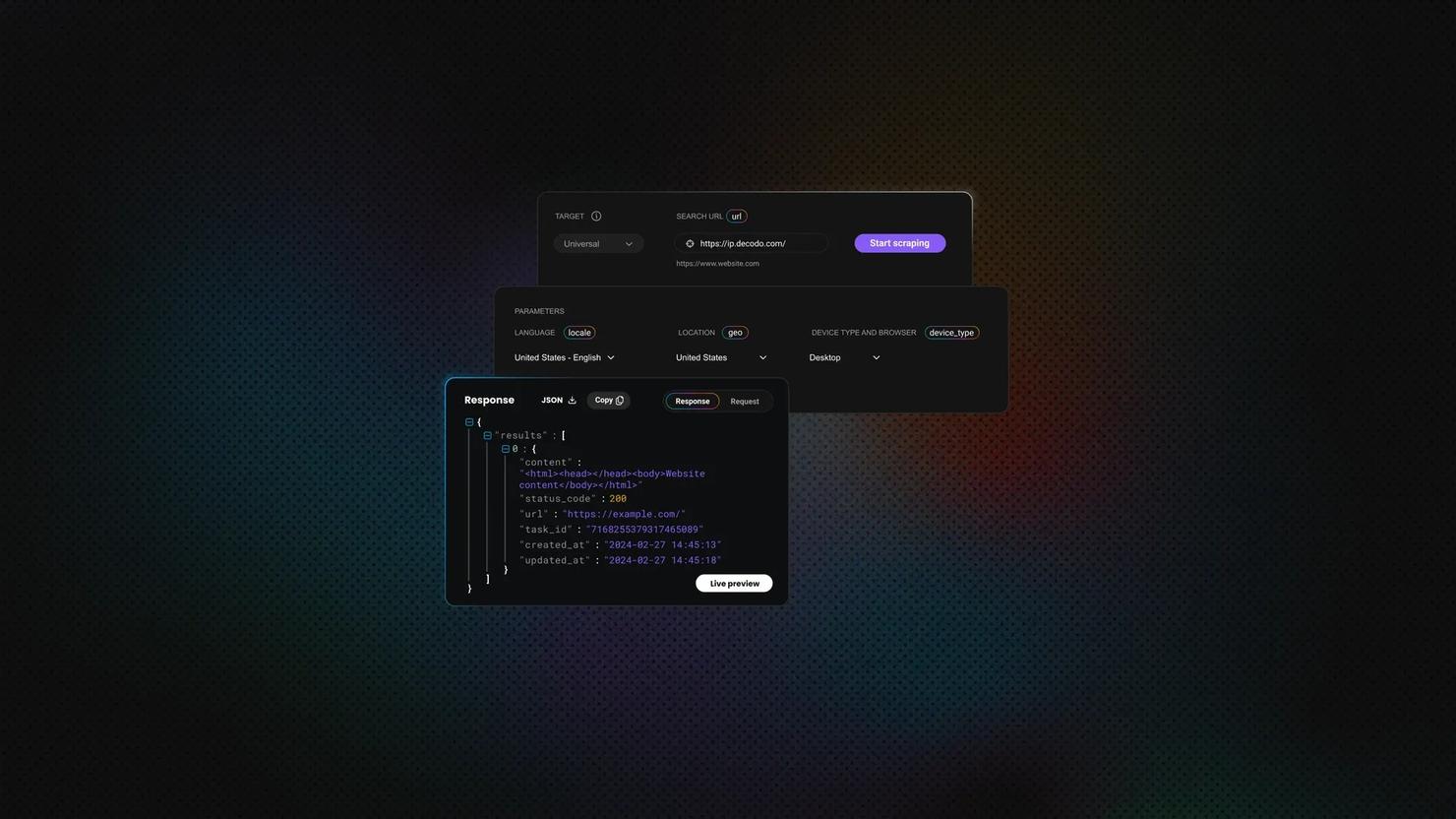
Java Web Scraping Libraries: How to Choose and Use the Best Tools for Your Project
Java is a battle-tested choice for web scraping at scale due to its robust type safety, structured concurrency, safe multithreading, and a mature ecosystem. However, its advantage is also a major pain point: having too many libraries. From jsoup and HtmlUnit to Selenium and Playwright, these libraries exist to simplify web scraping, and yet picking "the right one" is a challenge. This guide will teach you how to choose the right tool based on your project requirements and how to handle modern scraping challenges.
Vilius Sakutis
Last updated: Apr 30, 2026
17 min read
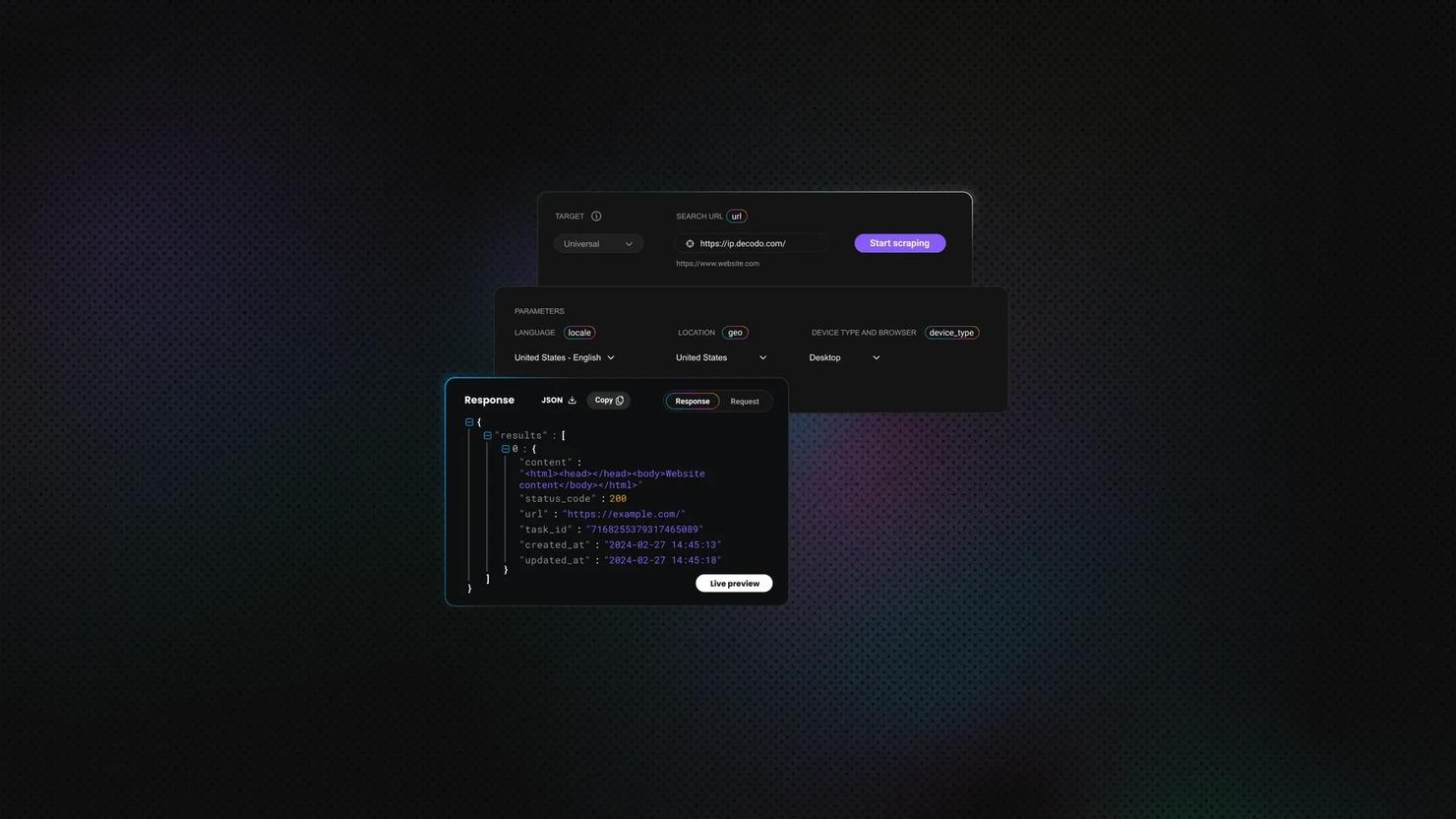
Wait for Page to Load in Beautiful Soup: Why It Fails and How to Fix It
Waiting for a page to load when using Beautiful Soup is a common challenge in web scraping, especially when your scraper returns empty results because the page renders content via JavaScript. This happens because Beautiful Soup is a parser, not a browser, so it can’t execute JavaScript or wait for dynamic content to load. To handle this, you can use browser automation tools like Selenium or Playwright, a lightweight option like requests-html, or a Web Scraping API for production-grade workflows.

Lukas Mikelionis
Last updated: Apr 30, 2026
9 min read

Puppeteer vs. Playwright: Which Tool Is Better for Web Scraping?
Puppeteer vs. Playwright is a real architectural decision for any production scraping project. The two libraries share a common origin: Playwright was built at Microsoft by engineers who previously worked on Puppeteer at Google. Yet they're different on browser coverage, language bindings, and scraping ergonomics. Performance, stealth, proxy integration, and parallel execution decide which tool fits your pipeline.
Justinas Tamasevicius
Last updated: Apr 24, 2026
8 min read

Apache Nutch Tutorial: Install, Crawl, Index, and Automate
Scraping a page is simple. Crawling an entire website repeatedly, at scale, while also producing structured data that you can query, can be complex. Most scraping tools aren't designed for it, and that's what Apache Nutch is developed for. Nutch is an open source web crawler with built-in robots.txt compliance and native Apache Solr integration. By the end of this guide, you'll have a scoped crawl pipeline running and your data indexed into Solr.
Lukas Mikelionis
Last updated: Apr 24, 2026
15 min read
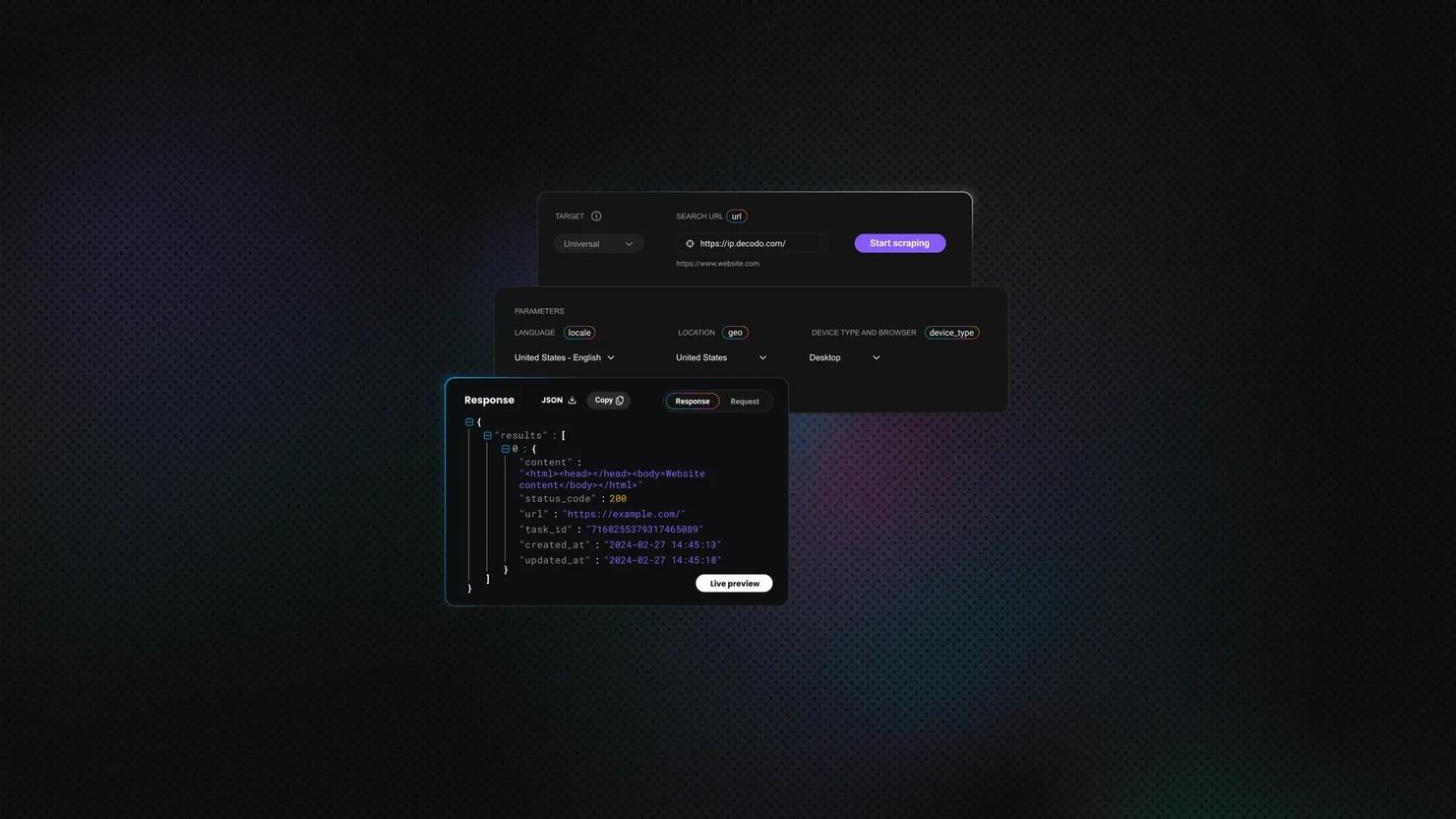
How to Use a Cloudflare Scraper for Data Extraction
Cloudflare protects over 20% of all websites, and its anti-bot system can shut your scraper down in seconds. A Cloudflare scraper is any tool or script that gets past those defenses to pull data from protected sites. This guide breaks down how Cloudflare spots bots, why most scrapers fail, and how to scrape with Decodo's Web Scraping API.

Mykolas Juodis
Last updated: Apr 23, 2026
7 min read
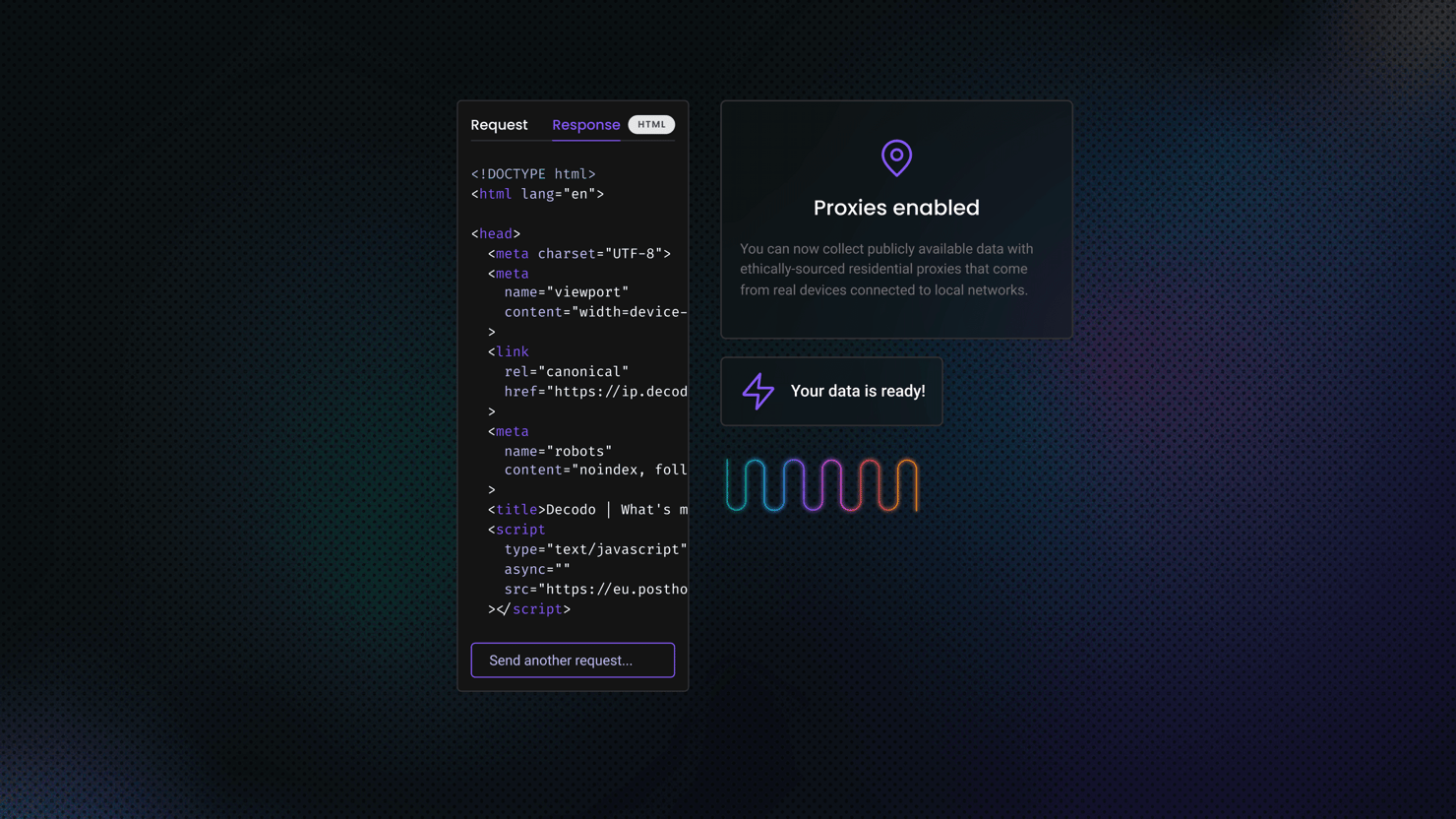
Web Scraping Without Getting Blocked: A Practical Guide for 2026
Web scraping without getting blocked is one of the hardest challenges you might face. Whether you’re a business conducting market research or a solopreneur working on your next big thing, most scrapers fail not because the code is wrong, but because websites now run layered detection that flags bots before a single byte of HTML is returned. This guide breaks down all the detection layers, including network, TLS, browser, and behavioral, and delivers the best techniques on how to overcome each.

Benediktas Kazlauskas
Last updated: Apr 23, 2026
12 min read

AutoGPT Integration Guide: Set Up, Customize, and Connect Your AI Agents to External Data
Most AutoGPT tutorials stop at "get it running", but that's the easy part. The harder part that determines whether your agents are useful is connecting them to live data, and AutoGPT helps you fix that. This guide covers AutoGPT local setup, UI navigation, custom Python block development, and the integration patterns that turn AutoGPT into a production workflow tool.
Justinas Tamasevicius
Last updated: Apr 23, 2026
8 min read

How to Scrape Shopify Stores: Complete Developer Guide
Most Shopify stores have a built-in JSON endpoint for product data: prices, variants, inventory, images. Web scraping Shopify means requesting /products.json, paginating, and getting the catalog as JSON. But the endpoint is limited to 250 products per page, and some merchants disable it. This guide covers both: the JSON approach for stores that have it, and the fallback for stores that don't.
Lukas Mikelionis
Last updated: Apr 22, 2026
15 min read

How To Set Axios POST Headers and Manage Headers Across All Request Types
Axios POST headers are one of the most important items for JavaScript developers working with HTTP. Configure them incorrectly, and your requests fail, authentication breaks, or data gets rejected. The good news? Axios gives developers several ways to manage headers, including inline on individual requests, globally via defaults, through reusable instances, and dynamically with interceptors. This guide explores how to use Axios to set headers across all request types, covering POST, GET, PUT, and DELETE requests, plus common pitfalls and fixes.
Justinas Tamasevicius
Last updated: Apr 22, 2026
22 min read

How To Scrape Emails From a Website: Python Tutorial
Scraping emails from a website is essential for lead generation, partner research, and CRM enrichment. However, to reliably scrape emails from a website, you need to handle multiple formats, including mailto links, plain-text addresses, obfuscated strings, and JavaScript-rendered content. This guide shows how to safely build a Python email scraper and scale it into a multi-page crawling workflow.
Lukas Mikelionis
Last updated: Apr 20, 2026
14 min read
How to Scrape All Text From a Website: Methods, Tools, and Best Practices
Bulk text extraction has become an inseparable part of modern-day existence, with real-world cases including building datasets for LLM training, archiving, content analysis, and RAG systems. However, extracting all text is far more complex than scraping a single page, so we’ve prepared a step-by-step guide to discover pages, extract clean text, remove unnecessary elements, and export structured datasets into proper formats. The tools we use are Python, Beautiful Soup, Playwright, and Decodo proxies.
Mykolas Juodis
Last updated: Apr 15, 2026
8 min read

Rust Web Scraping: Step-by-Step Tutorial With Code Examples
Python is usually the first choice for web scraping, but it can struggle in high-throughput scenarios where you’re fetching many pages concurrently or need stronger reliability. That’s where Rust comes in. In this tutorial, you’ll build a Hacker News scraper in Rust, covering setup, JSON output, and scaling, along with where Rust excels, where it adds friction, and when to offload to a managed scraping API.
Lukas Mikelionis
Last updated: Apr 15, 2026
10 min read
Crawl4AI Tutorial: Build Powerful AI Web Scrapers
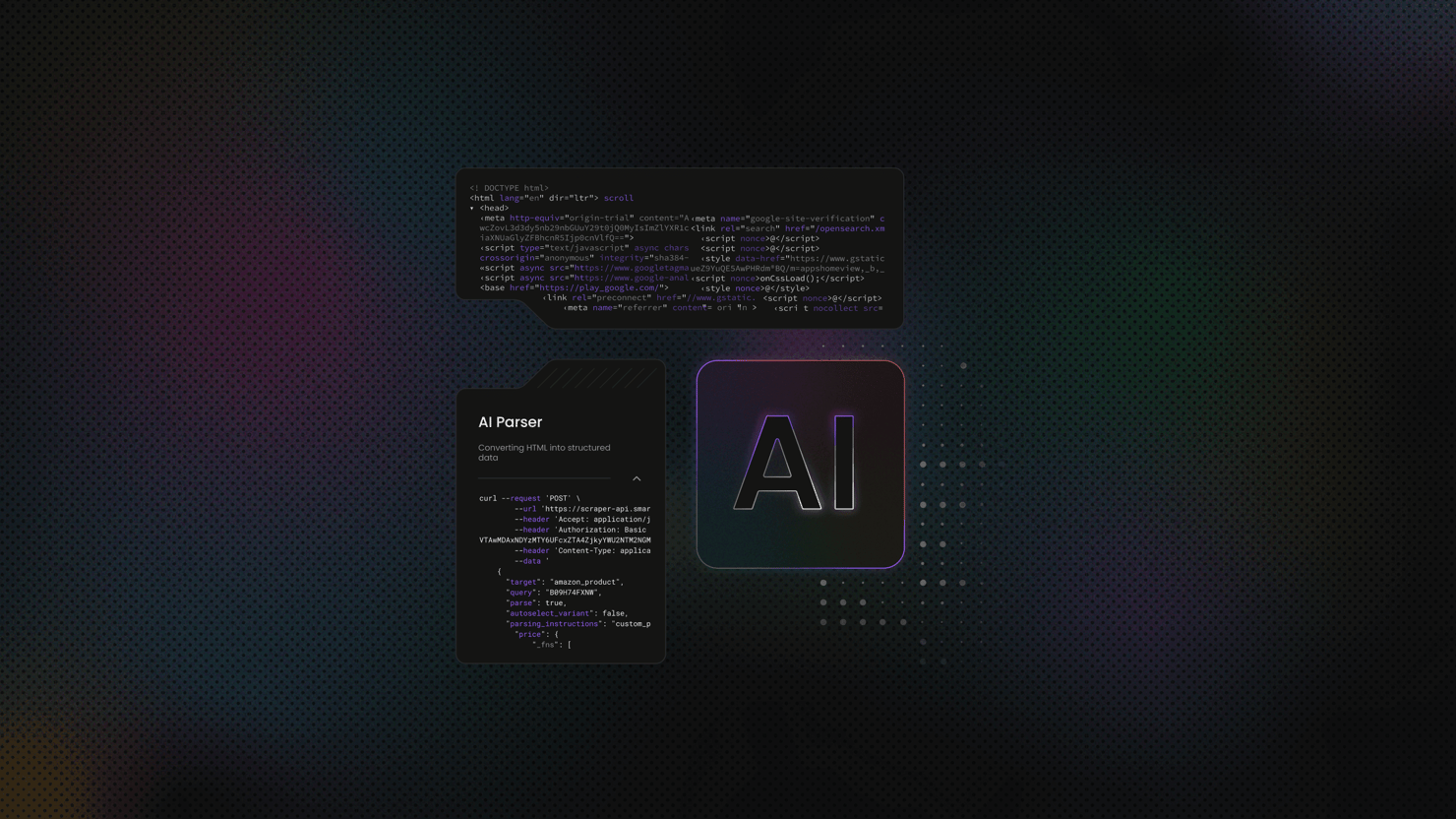
Traditional scrapers return raw HTML. Turning that raw data into structured AI-ready data takes 50%+ extra engineering time, and pushing it directly into an LLM quickly becomes expensive at scale. Crawl4AI was built for that gap: Playwright rendering, automatic Markdown conversion, and native LLM extraction in one open-source framework. This guide takes you from a basic page crawl to production-ready structured data extraction.
Justinas Tamasevicius
Last updated: Apr 15, 2026
15 min read

Playwright MCP: Build a No-Code Web Scraper With an AI Agent
Playwright MCP lets an AI agent drive a real browser: open pages, click through them, and read what renders, all from a plain-language instruction. It is the fastest route to structured data from a website when you do not want to write, debug, and maintain scraping code. Here's how to set it up.
Justinas Tamasevicius
Last updated: Apr 14, 2026
14 min read