Hide IP
An Internet Protocol (IP) address is the most common piece of info to identify a device online. And there may be a lot of reasons why you'd wanna hide it, including protection of your identity and sensitive data, avoiding a digital footprint, bypassing content filters, bans, and all that jazz. Well, don't sweat, buddy – you can cover your IP in many ways!
14-day money-back option

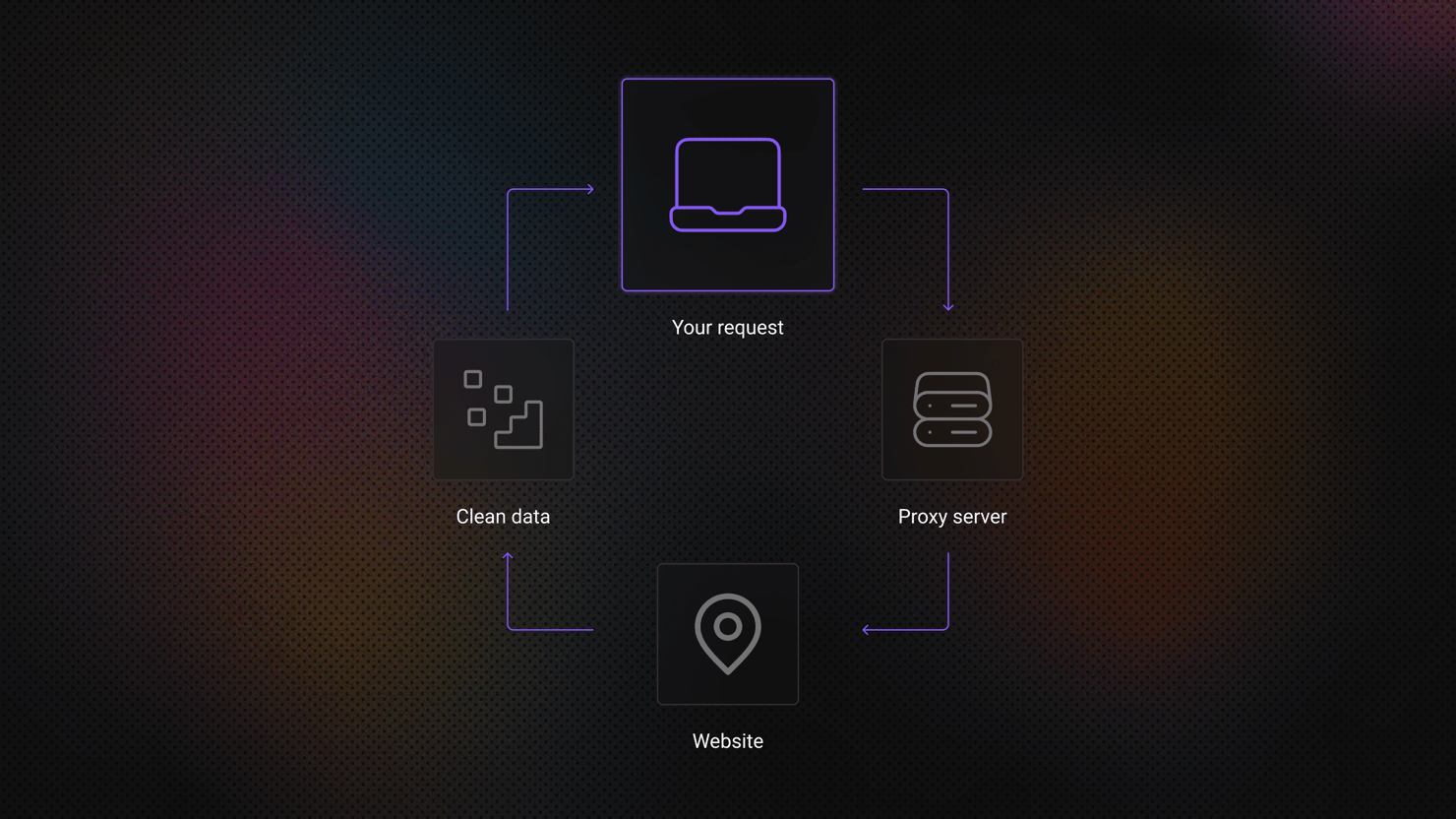
What Is an SSL/HTTPS Proxy: How It Works and When to Use It
An SSL proxy, often called an HTTPS proxy, is an intermediary server that forwards web requests between a user and a website through an encrypted HTTPS connection. Instead of connecting directly to the destination server, the client routes traffic through the proxy, which helps secure data transmission and manage outgoing requests.

Lukas Mikelionis
Last updated: Mar 18, 2026
4 min read
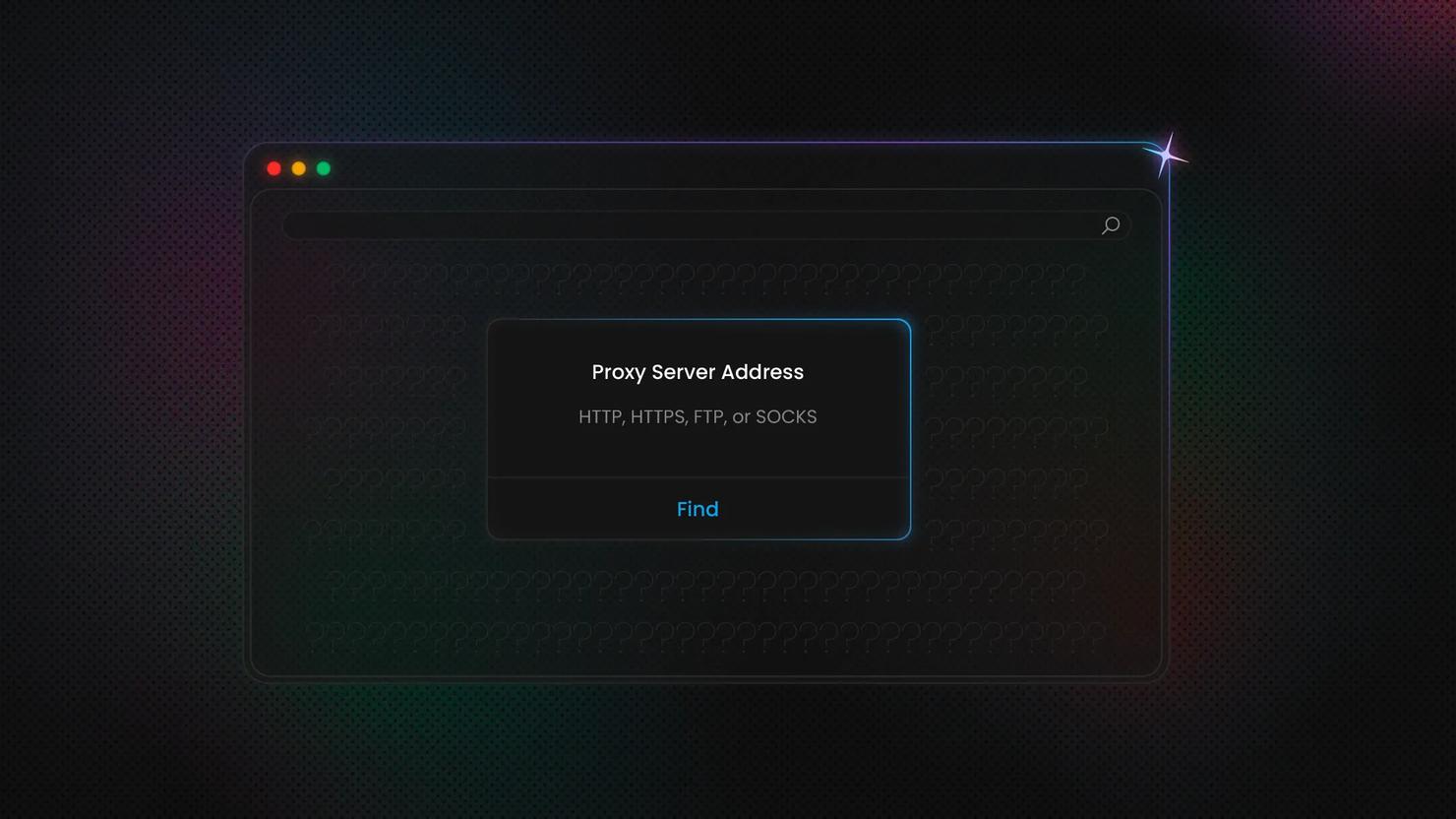
How to Find Proxy Server Address On Any Device
A proxy server sits between your device and the internet and routes your traffic through an intermediary IP. It's core infrastructure for privacy, access control, and large-scale data operations. If you need to locate your proxy address and port, to set up a scraper, debug a failed connection, or audit your network, you'll want to know exactly where each platform stores these details. This guide covers every major OS, browser, and device, step by step.

Kipras Kalzanauskas
Last updated: Mar 17, 2026
6 min read
Proxy Anonymity Levels: Transparent vs Anonymous vs Elite
Not all proxies actually protect your identity. Some proxies openly tell websites, "This request came through a proxy," while some can even leak your real IP if they're configured poorly. There are three proxy anonymity levels: transparent, anonymous, and elite. This article will walk you through each one, explain how they work, and help you choose the most suitable option for you.

Vytautas Savickas
Last updated: Feb 20, 2026
7 min read

What Is a Backconnect Proxy? A Complete Guide in 2026
Whether you call yourself a seasoned proxy user or just starting to leverage the power of proxies, it's always good to learn a thing or two. And this time, we're talking about backconnect proxies. In short, backconnect proxies allow you to remain anonymous while accessing the internet by constantly rotating your IP address. These proxies are useful for individuals or companies who need to navigate internet restrictions, monitor competitors, or run web scraping tools.
In this guide, we'll explore everything you need to know about backconnect proxies, how they work, and what benefits you're in for. Shall we begin?
Vytautas Savickas
Last updated: Jan 07, 2026
6 min read
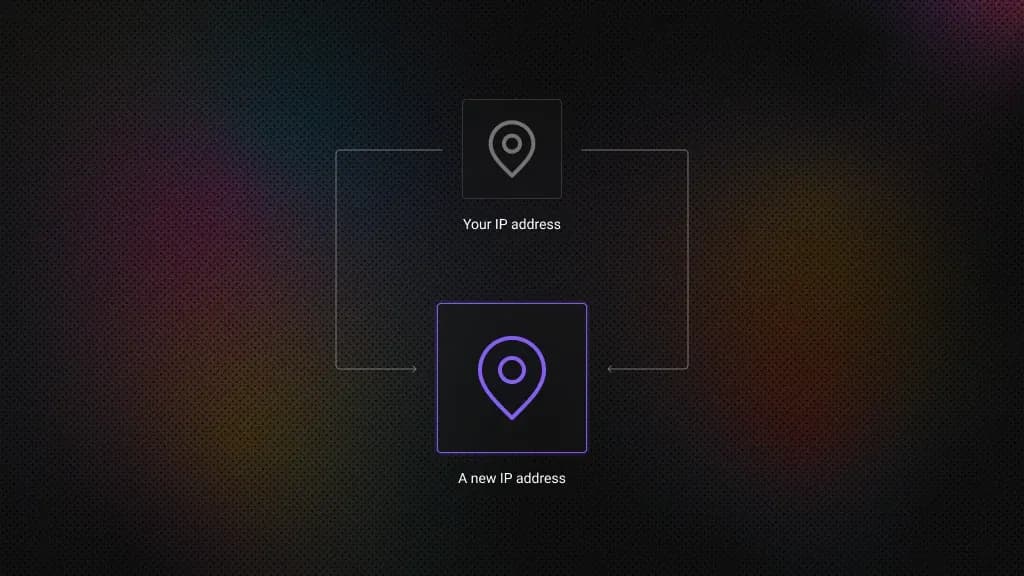
Fake IP Address: What Is It and Why Shouldn't You Use It?
When we scale businesses, do research, or just scroll leisurely, it's always a good idea to be clued up on online security. Whatever your reasons for running your eyes over a web browser are, anonymity and privacy are two pretty important players here. The thing is that any browser, website, system, or network can see our IP address. Some of them might even log your IP address and track it. In this blog post, we’ll go over the dangers of using free software, fake IPs, and the illegal aspects of using IP information.

Benediktas Kazlauskas
Last updated: Nov 05, 2025
6 min read

Random IP Address: Examples, Use Cases, Risks, and Alternatives
From web scraping to getting around geo-blocks, IPs play a huge role in how the internet works behind the scenes. But there’s a flip side – using a free or random IP from a sketchy provider can cause way more trouble than you’d expect. It can break compliance rules, mess with your data, or even lead to bigger operational and reputational problems. Dive into this article to learn more about the risks of random IP addresses.

Kotryna Ragaišytė
Last updated: Aug 19, 2025
8 min read
How to Test Proxies: A Complete Guide
Proxies act as intermediaries between your device and the internet, helping mask your IP, bypass geo-restrictions, and enable tasks like web scraping. But some proxies are slow, easily blocked, or insecure. That’s why in this blog post, we’ll show you how to test proxies to ensure they deliver the performance, reliability, and anonymity your use case demands.

Dominykas Niaura
Last updated: Jun 20, 2025
10 min read
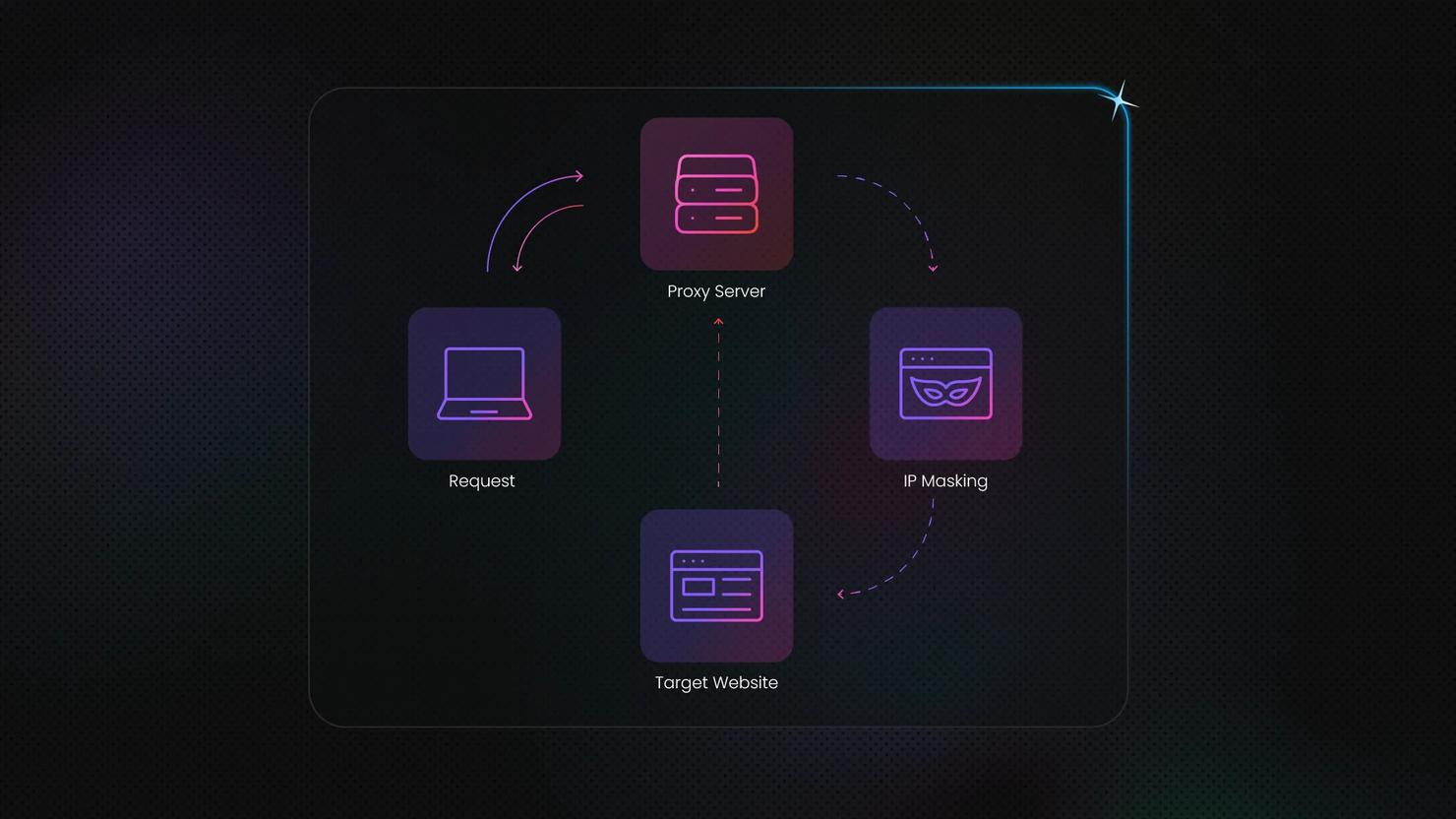
What Is a Dedicated Proxy? Key Types & Benefits
Ever feel like you're sharing a slow lane on the information highway? Standard proxies act as intermediaries, masking your IP address for privacy or accessing geo-specific web data. But when performance and a clean reputation matter most, dedicated proxies step in as a powerful solution offering exclusive access, speed, and stability tailored to your needs.
Lukas Mikelionis
Last updated: May 06, 2025
4 min read
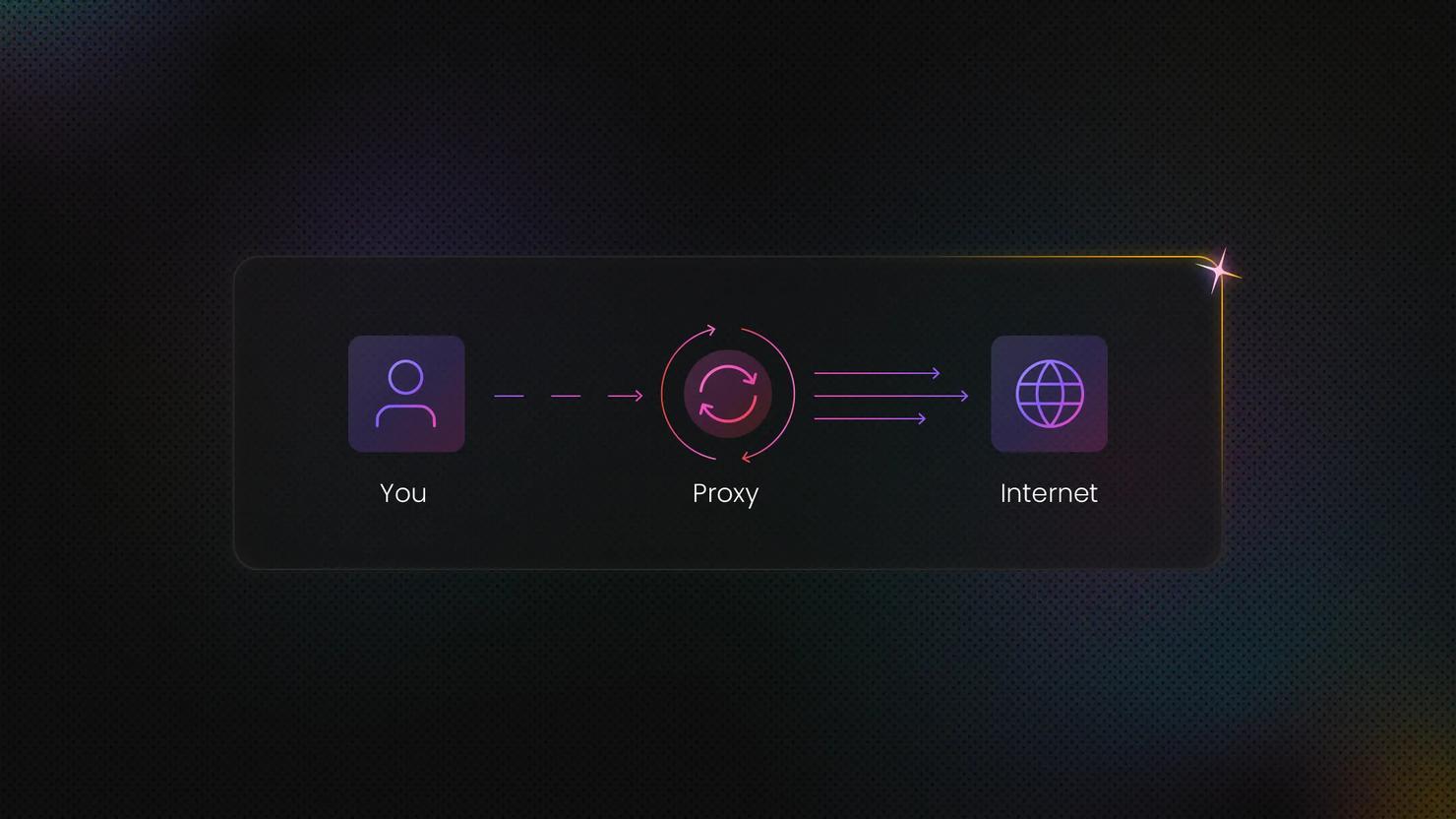
What Are Rotating Proxies? Types, Benefits & Use Cases
A rotating proxy is a proxy server that automatically assigns a new IP address at regular intervals or after each connection. In this guide, we'll delve into how rotating proxies work, the different types available, and the most common use cases where they offer a clear advantage.
Dominykas Niaura
Last updated: Apr 30, 2025
7 min read
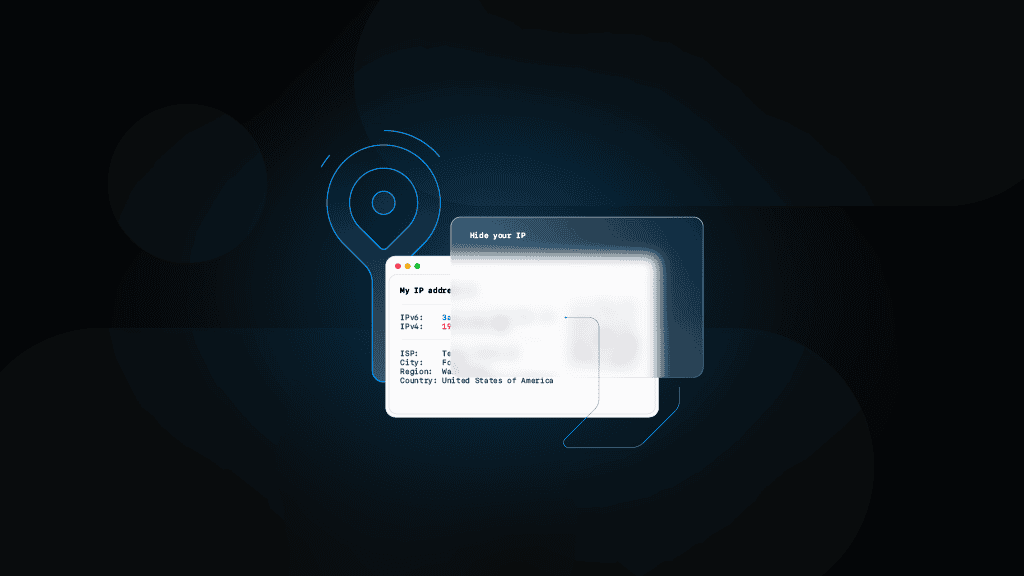
How to Hide Your IP Address: Top 5 Ways
Because the internet never forgets and every click leaves a digital footprint, hiding your IP address is sometimes essential. Staying anonymous enhances data security and grants access to geo-restricted content, though it comes with a few trade-offs. This guide covers 5 effective ways to hide your IP and protect your online privacy.

Vilius Sakutis
Last updated: Mar 07, 2025
7 min read
Difference Between SOCKS5 Proxy vs. HTTP Proxy
Choosing the right proxy type is essential for optimizing performance, security, and efficiency in web data collection. SOCKS and HTTP proxies serve different technical needs, from handling large-scale web scraping projects to managing automation and secure connections. In this article, we’ll compare SOCKS (SOCKS5 in particular) and HTTP proxies, explore their advantages, and help you determine which option best supports your data-driven tasks. By the end, you’ll have the clarity to make an informed decision and scale your operations with confidence.
Vilius Sakutis
Last updated: Mar 06, 2025
7 min read
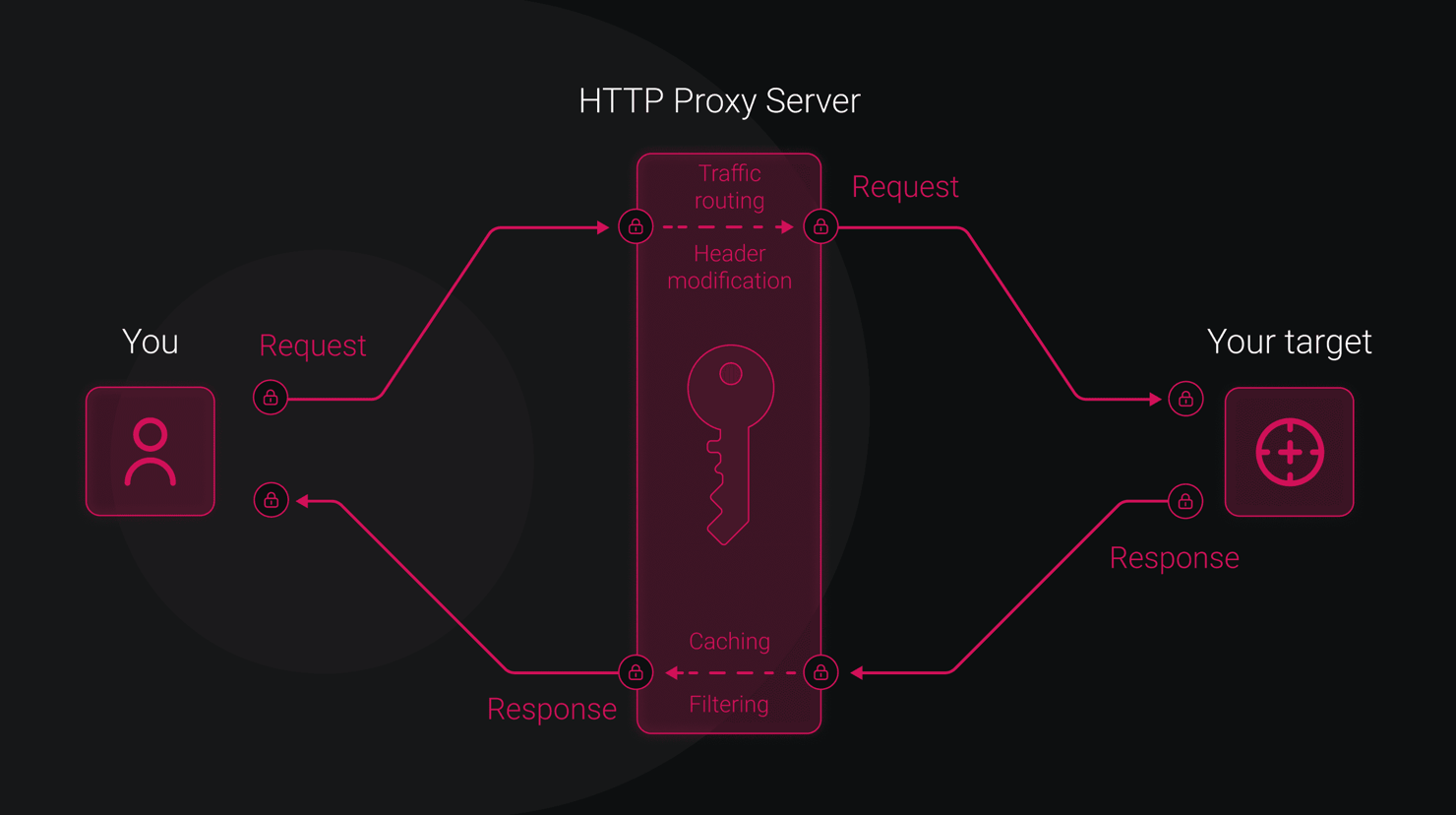
HTTP Proxy: Definition, Use Cases, and Error Solutions
HTTP proxies are one of the most common types of proxies, widely supported across various proxy types, including residential, mobile, datacenter, and static residential proxies. Designed specifically to handle HTTP and HTTPS traffic, they’re a versatile solution for tasks like anonymizing browsing, bypassing geo-restrictions, and optimizing network operations. In this blog post, we’ll explore what HTTP proxies are, their use cases, and practical solutions to common errors.
Dominykas Niaura
Last updated: Jan 27, 2025
7 min read
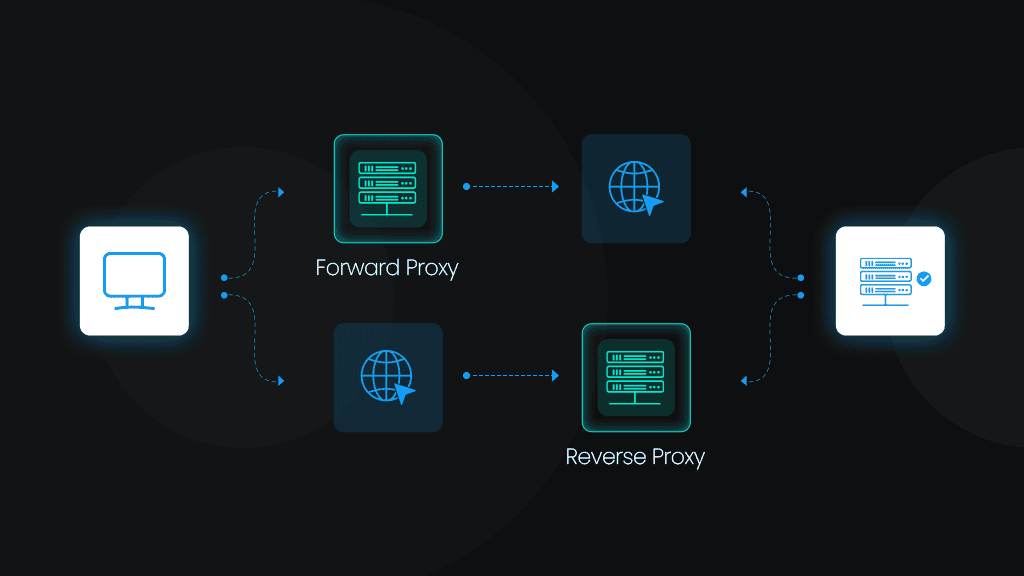
Forward Proxy vs. Reverse Proxy: The Difference Explained
Proxies function as intermediaries that handle online connections, traffic, and client requests. Because they can be implemented in diverse ways, ranging from simple privacy filters to advanced data managers, there are multiple categories of proxies. Some classifications relate to the device hosting the proxy or how the proxy enforces anonymity, while others focus on its structural role in the client-server relationship. The latter is how we distinguish between forward and reverse proxies. Many people ask how these two proxy types differ, and it can be confusing at first glance. With a clearer look at how each one manages data flow, you’ll see why they are essential tools for both individual internet users and large-scale enterprise environments.

Vaidotas Juknys
Last updated: Mar 27, 2024
7 min read
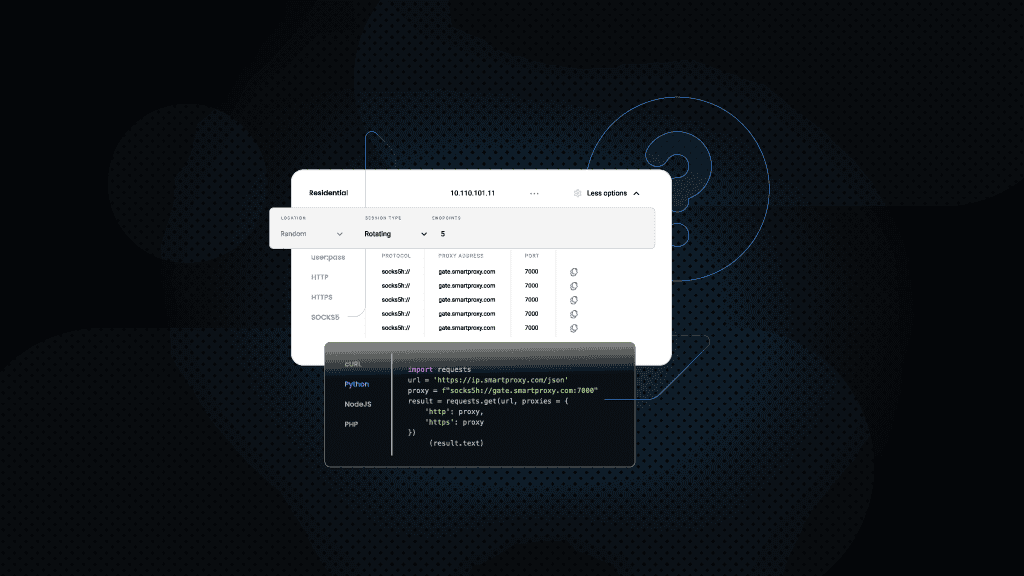
What is Anonymous Proxy?
Anonymous proxies allow you to browse the internet without revealing your original IP address. They can offer you more – find out what in this article.
Anonymous proxies, sometimes called anonymizers, do not disclose your personal information to your target websites, including your IP address and location.
While connecting through a proxy server, they act like a privacy shield making your browsing on the internet hard to trace. Residential proxies take this a step further by routing traffic through real devices, making detection even more difficult.

James Keenan
Last updated: Jul 05, 2022
8 min read
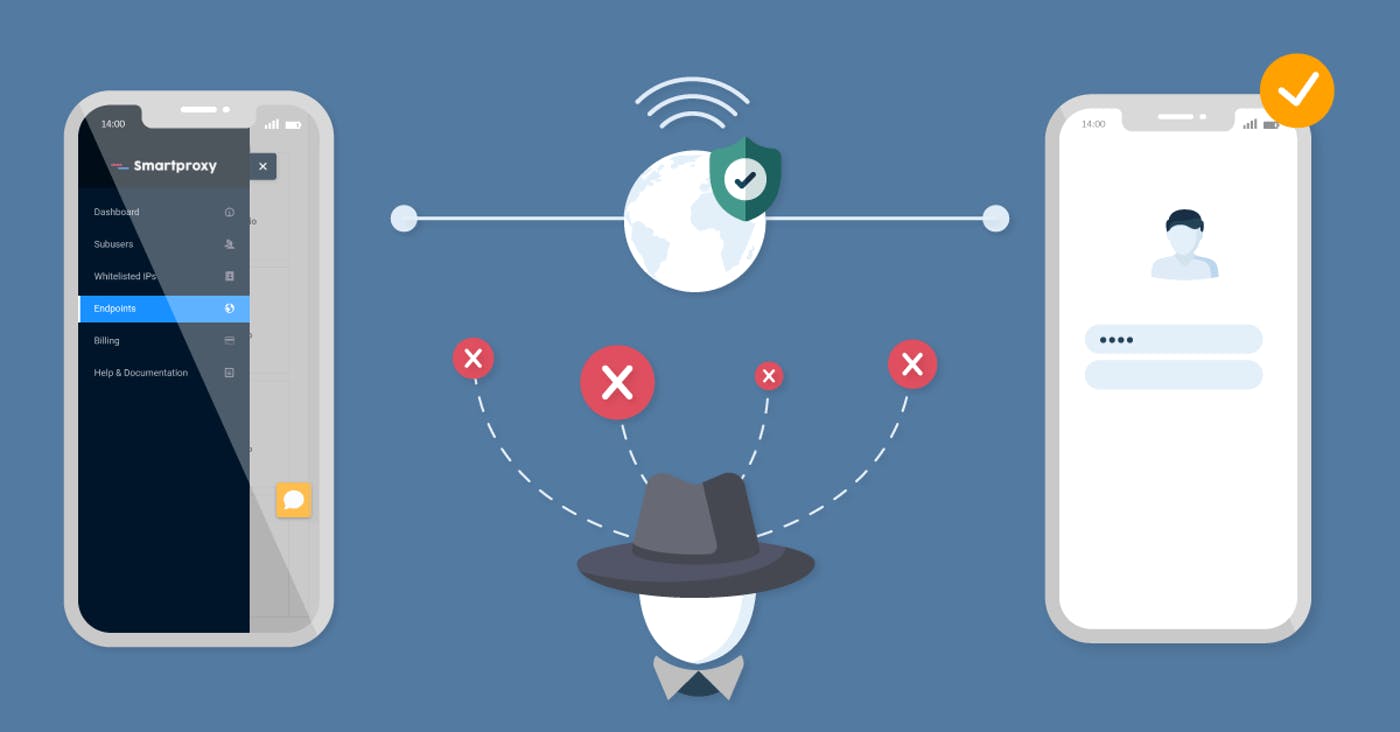
Protecting Your Brand with a Proxy Network
Cybersecurity is a prominent concern for any business. The range and sophistication of threats facing the modern business is growing by day. Unless appropriate steps are taken to put defenses in place against future attacks, and to respond to current threats as they are detected, businesses will remain vulnerable to external intrusions.
James Keenan
Last updated: Jun 03, 2021
12 min read
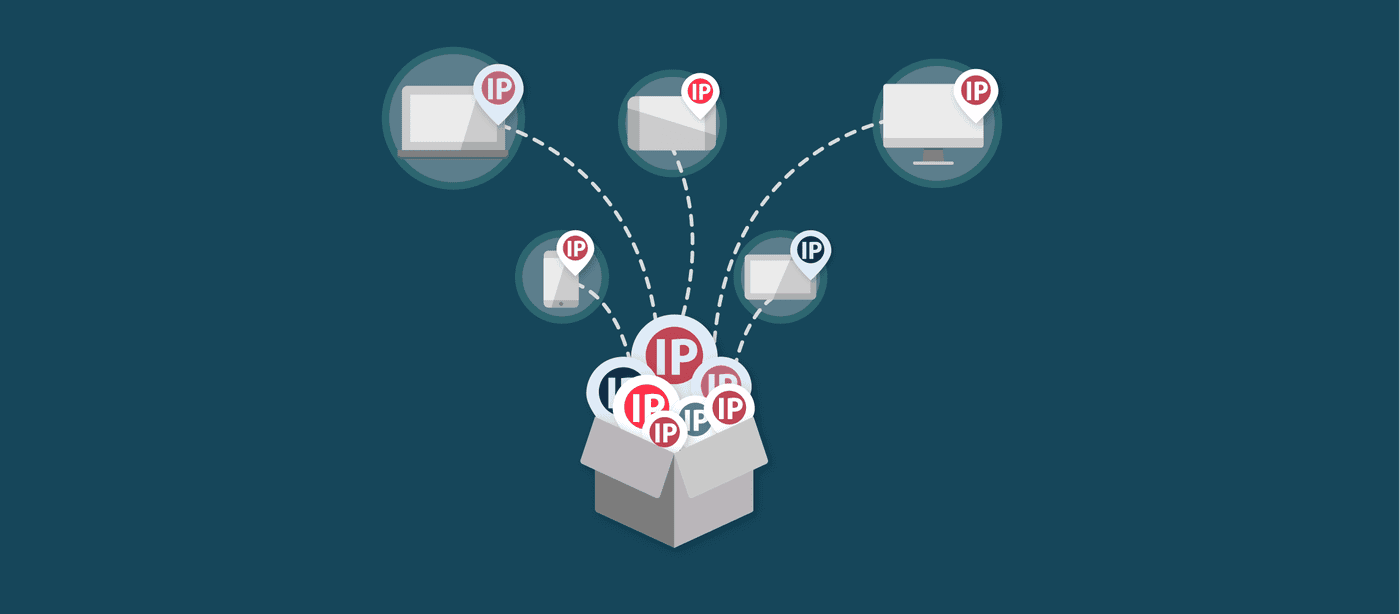
How IP Hopping Can Help You Bounce Your IP Address [VIDEO]
IP hopping is the practice of using one IP address for a little while and then changing it to another one. IP hopping or IP bouncing lets you avoid flags and bans. It is an important part of many online services.
James Keenan
Last updated: May 28, 2021
2 min read
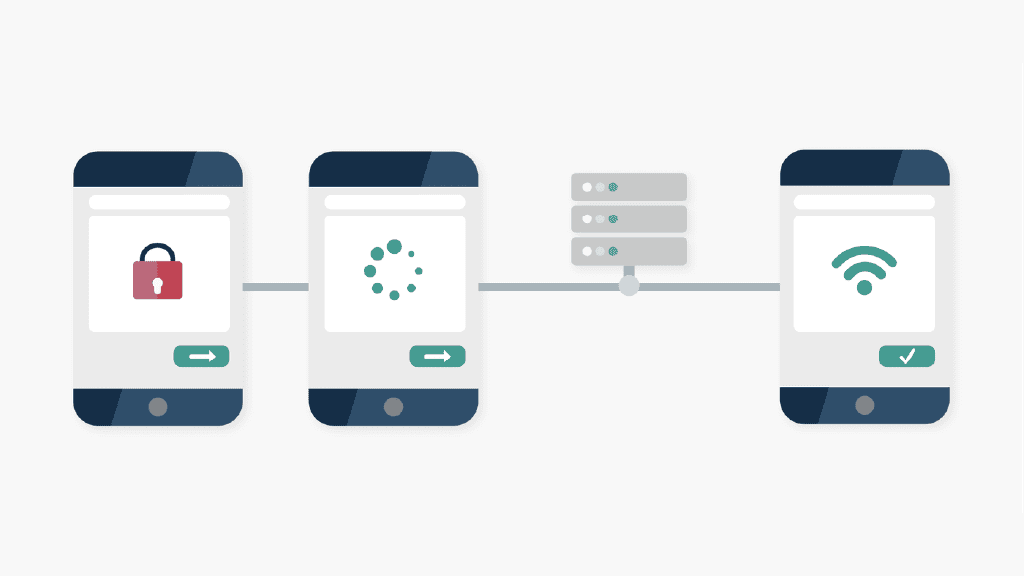
What Is a Transparent Proxy
Transparent proxies are everywhere these days. You’ve been on one if you ever used public Wi-Fi. Transparent proxies are also called forced proxies, inline proxies or intercepting proxies. You see, a transparent proxy restricts Internet access to its users. This is how hotels and airports force their Wi-Fi users to accept usage Terms and Conditions. An inline proxy might also gather phone numbers, email addresses or let you enter a code for authentication.
Most public Wi-Fi networks are not secure, because their transparent proxies do not use encryption. Such transparent proxies very bad for privacy and security.
James Keenan
Last updated: May 28, 2021
2 min read
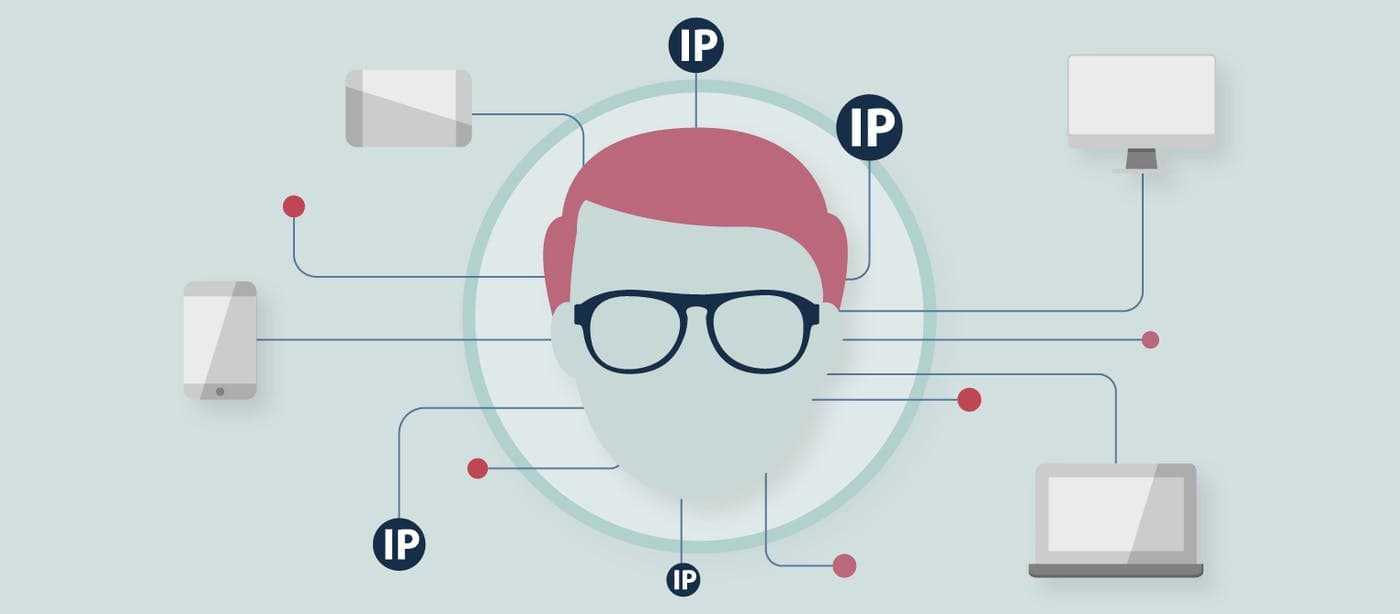
This Is as Close as You Will Ever Get to an IP Scrambler
Are you looking for an IP scrambler? Something that could change or hide your IP address for every connection, provide security and anonymity? Congrats, because you’ve found it – the best rotating proxy network. Read on to discover how it can help you scramble your IP address and hide or spoof your true IP.
James Keenan
Last updated: May 28, 2021
3 min read