
Welcome to Decodo Blog!
Build knowledge on our solutions and streamline your workflows with step-by-step guides and expert tips.

Best Rotating Proxies in 2026: 9 Providers Compared
Rotation is a configuration applied to a proxy pool, not a proxy type. The best rotating proxy setup combines a healthy IP pool, useful session controls, enough concurrency, and pricing that fits your request volume. This guide compares 9 providers using current product details and independent 2026 tests.

Lukas Mikelionis
Last updated: Nov 06, 2026
8 min read

What Is an MCP Server? How It Works and When To Use One
An MCP (Model Context Protocol) server gives AI apps such as Claude, ChatGPT, Cursor, and VS Code controlled access to tools, data, and prompt templates. Because MCP is an open standard, one server can work with many of them. This guide explains its architecture, how it works, when you need one, and how agents get live web data through MCP.
Lukas Mikelionis
Last updated: Nov 05, 2026
10 min read

Firecrawl Pricing in 2026: Plans, Credits, and What You Pay
Firecrawl pricing uses a credit-based model, with 1,000 free credits monthly and paid plans starting at $19 per month. Each API operation consumes credits, but the amount varies depending on whether you're scraping pages, searching the web, or extracting structured data. This guide covers Firecrawl's plans, credit costs, billing rules, and what different workloads actually cost.

Kipras Kalzanauskas
Last updated: Nov 05, 2026
9 min read
What Is T3 Code? Setup, Features and Use Cases
T3 Code is a free, open-source app for managing AI coding agents like Claude Code, Codex, and Cursor from a single desktop, web, or mobile interface. Developed by Theo Browne's T3 Tools team, it has become one of GitHub's fast-growing developer projects in 2026. In this guide, we'll cover what T3 Code does, its main features, how to get started, and how it compares to other coding tools.

Dominykas Niaura
Last updated: Nov 04, 2026
10 min read
Crawl4AI Tutorial: Build Powerful AI Web Scrapers
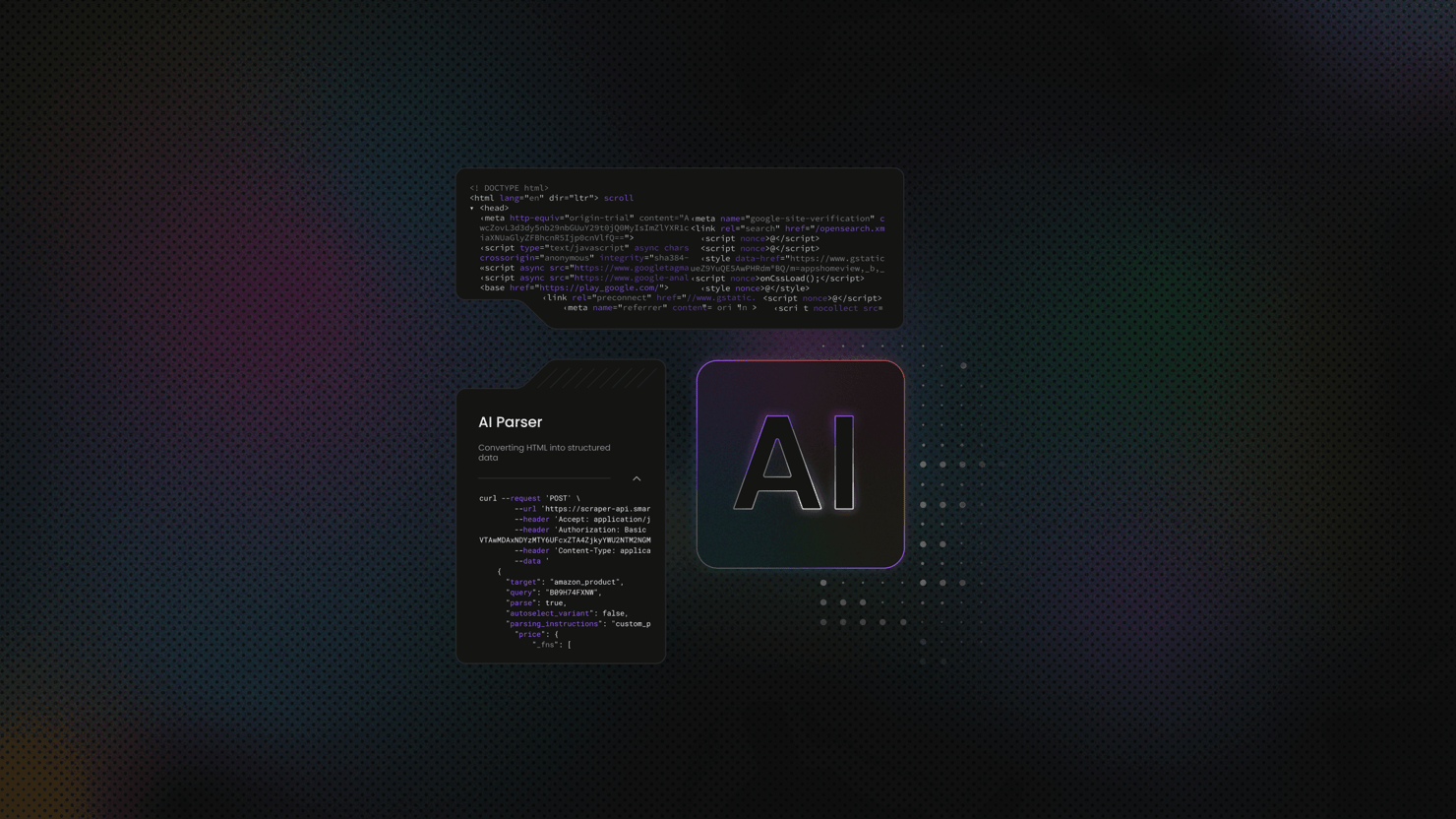
Crawl4AI is an open-source Python web-crawling library that uses browser automation to turn web pages into clean, structured data for LLMs. Developers use it to collect AI-ready data for AI agents, RAG systems, and scraping pipelines. This tutorial covers setup, extraction, deep crawling, proxies, and when to use a managed crawling API instead.

Justinas Tamasevicius
Last updated: Nov 03, 2026
16 min read

Web Scraping CLI for AI Agents: 6 Tools Tested
A web scraping CLI fetches pages and returns output that an agent can parse and an exit code it can branch on. An agent's built-in fetch tool can return a challenge page or an empty JavaScript shell that looks like success. We ran 6 CLIs, including our open-source pobear, through the same tests and logged every output and exit code.
Justinas Tamasevicius
Last updated: Oct 30, 2026
20 min read

Best Web Proxy in 2026: Free Tools vs. Paid Providers
The best web proxy depends on the job: a free browser tool works for a quick, one-off visit, while a paid provider is the better choice for logins, regular use, or important business tasks. This guide explains how both options work, where free tools fall short, and how 5 paid providers compare in 2026.
Lukas Mikelionis
Last updated: Oct 26, 2026
7 min read

Lightpanda Browser Tutorial: Web Scraping With Proxies
The Lightpanda browser is an open-source headless browser built from scratch for automation. It runs JavaScript pages with less memory than headless Chrome, which matters when you scrape at scale. This guide runs Lightpanda from Python with Playwright and routes it through Decodo residential proxies. Then it tests what still gets blocked on 9 protected sites.

Paulius Minialga
Last updated: Oct 26, 2026
13 min read

What Is SERP Analysis and How To Do It in 2026?
SERP analysis means examining a search engine results page (SERP) for a keyword to understand what ranks, which features appear, and whether your content has a realistic chance of earning visibility and clicks. This guide walks through what SERP analysis is, the six steps to run one, and how to pull SERP data at scale.
Justinas Tamasevicius
Last updated: Oct 26, 2026
9 min read

Zapier MCP Server: Connect Agents to Apps and the Web
Zapier MCP is Zapier's hosted MCP server: one connection that lets an AI agent take actions across 9,000+ apps. It solves reach, not data. Your agent still needs a separate way to get fresh information from the web. This guide covers how Zapier MCP works, how to connect it, and how to pair it with Decodo for live web data.
Lukas Mikelionis
Last updated: Oct 21, 2026
9 min read
How to Scrape Google News With Python
Keeping up with everything happening around the world can feel overwhelming. With countless news sites competing for your attention using catchy headlines, it’s hard to find what you need among celebrity tea and what the Kardashians were up to this week. Fortunately, there’s a handy tool called Google News that makes it easier to stay informed by helping you filter out the noise and focus on essential information. Let’s explore how you can use Google News together with Python to get the key updates delivered right to you.

Zilvinas Tamulis
Last updated: Oct 21, 2026
10 min read

CloakBrowser vs. Camoufox vs. Undetected-Chromedriver: A Stealth Browser Comparison for AI Agents
A stealth browser is a browser-automation tool that makes an automated session look human to the website. An AI agent can fail mid-session. In our tests, a stealth browser loaded a protected site's landing page and was blocked on page 2. This guide compares CloakBrowser, Camoufox, and undetected-chromedriver on multi-step sessions and shows which fits your agent.
Justinas Tamasevicius
Last updated: Oct 20, 2026
12 min read

Best Exa Alternatives For AI Agents
Exa is a neural search API for AI agents. It matches queries to pages by meaning, using embeddings, and returns their contents. It belongs to the retrieval layer, next to search APIs and web data APIs that also crawl and extract. Teams compare Exa alternatives when an agent needs every page of a documentation site or pages behind bot protection.
Justinas Tamasevicius
Last updated: Oct 20, 2026
11 min read
REA (Reverse Engineer Anything): What It Is and How to Use It
Reverse Engineer Anything (REA) is an open-source toolkit that lets AI agents investigate how software works, even without access to its original source code. The project has gained significant attention on GitHub in October 2026. In this guide, we'll explore how REA works, what you can analyze with it, and how to get started. We'll also look at an alternative approach when your goal is collecting public web data rather than reverse engineering software.
Dominykas Niaura
Last updated: Oct 20, 2026
10 min read
Poisoned SERPs: How To Tell Them From Real Ranking Drops
Poisoned SERPs are complete, normal-looking Google results pages served to automated requests. Most of the keyword's usual sites on them are swapped for others. Nozzle first recorded them on September 20, 2026. Rank trackers store them as real rankings, so a site can "drop" with nothing changed. Learn to tell them from real drops and keep your SERP data accurate.

Benediktas Kazlauskas
Last updated: Oct 20, 2026
12 min read
Tavily Alternatives: 7 Agentic Search APIs Compared
Tavily is an agentic search API that takes a natural-language query and returns ranked, LLM-ready content instead of raw search result HTML. Many LangChain projects use it by default, and teams compare Tavily alternatives when an agent gives an outdated price or can't read a bot-protected page. This guide shows which alternative fits which use case and how to migrate.
Justinas Tamasevicius
Last updated: Oct 20, 2026
10 min read

Best SOCKS5 Proxies in 2026: 9 Providers Tested & Compared
SOCKS5 proxy is a type of proxy that uses SOCKS5 as the baseline protocol instead of the usual HTTP(S). Decodo might be the best overall SOCKS5 proxy pick for its choice of IP sources, session controls, and accessible residential plans. Your best fit depends on the traffic you send – check UDP support, destination ports, and authentication before comparing prices.

Kotryna Ragaišytė
Last updated: Oct 19, 2026
9 min read
Meet The New Web Data API With Scrape, Search, Map, and Crawl Endpoints
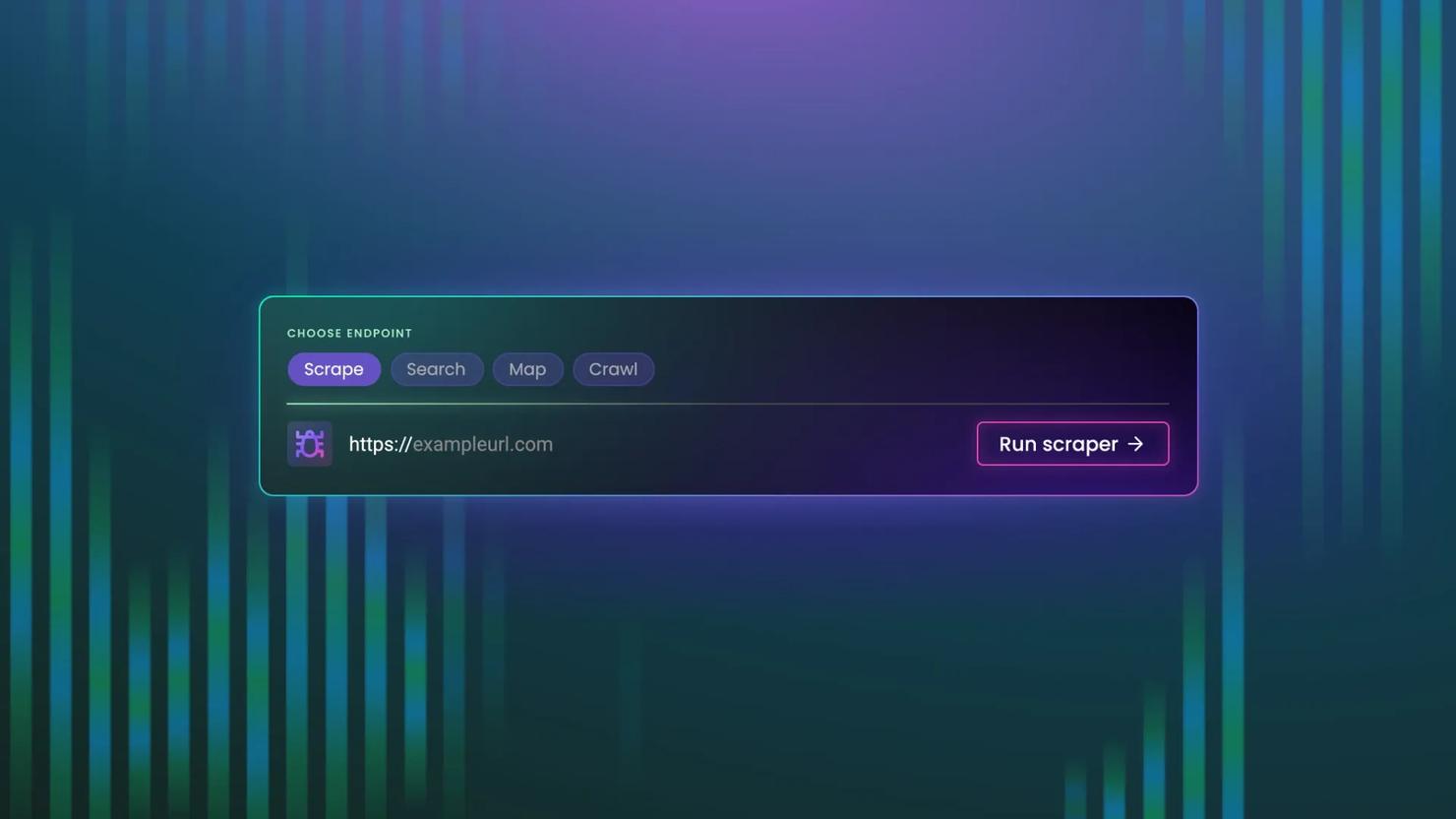
AI agents and RAG pipelines need more than single-page scraping. Decodo's Web Data API brings scraping, site discovery, crawling, and web search under one API, giving developers four endpoints and one API key to collect fresh web data at scale, feed it into AI applications, and get started with up to 10K requests on the free plan.

Gabriele Vitke
Last updated: Oct 12, 2026
4 min read