Artificial Intelligence
Artificial intelligence (AI) helps computers think and learn like humans by finding patterns in data. AI can automate tasks, make predictions, and solve problems across many industries. From chatbots that answer questions to AI agents that help to eliminate those time-consuming tasks – the key to successful AI is having good data to train it, enough computing power to run it, and careful planning to make sure it meets your business standards.
Hermes Agent vs. OpenClaw: Features, Scraping, and Proxy Setup Compared
If you're choosing Hermes Agent vs. OpenClaw, you're looking at the two most popular open-source agent frameworks of the year. Both run AI agents on their own, work inside your messaging apps, and call tools for you. This guide compares both of these agents' features, use cases, and possible third-party integrations.

Benediktas Kazlauskas
Last updated: Jun 12, 2026
4 min read

Price Scraping: How To Build a Scraper, Test It, and Scale With Confidence
Price data is important for monitoring competitors in eCommerce, enforcing MAP policies, and receiving deal alerts. Doing this manually isn't effective for scaling. A practical approach is price scraping, which helps automatically collect product pricing data from eCommerce websites. This guide will show you how to build a Python scraper using Playwright. It will help you gather real prices, deal with anti-bot measures, and create structured JSON data.

Lukas Mikelionis
Last updated: Jun 08, 2026
20 min read

How To Set Up PewDiePie's Odysseus AI Workspace
Odysseus is a free, open-source, self-hosted AI workspace from Felix Kjellberg, aka PewDiePie. Yes, the guy who spent a decade telling 100 million people to smash subscribe now wants you to smash docker compose up. It bundles chat, autonomous agents, deep research, and email into one interface that runs on your hardware, not someone else's cloud. It launched in late May 2026 and hit 30,000+ GitHub stars in just 3 days, signaling real demand for AI you own, not rent. Here's what it does, how to use it, and where proxies fit in.

Zilvinas Tamulis
Last updated: Jun 04, 2026
16 min read

Open WebUI tools: how to give your local LLM real-time internet access with a scraping API
Local LLMs are powerful, but their knowledge ends at the training cutoff. Without internet access, a model running on your own hardware can’t check current prices, read recent news, or retrieve updated documentation. Open WebUI’s Tools system solves this by letting models call custom Python functions during a conversation. In this tutorial, you’ll connect the Decodo Web Scraping API to a custom Open WebUI tool, so your model can fetch live web content on demand.

Justinas Tamasevicius
Last updated: May 28, 2026
12 min read
Web Scraping in Dify: A No-Code Guide
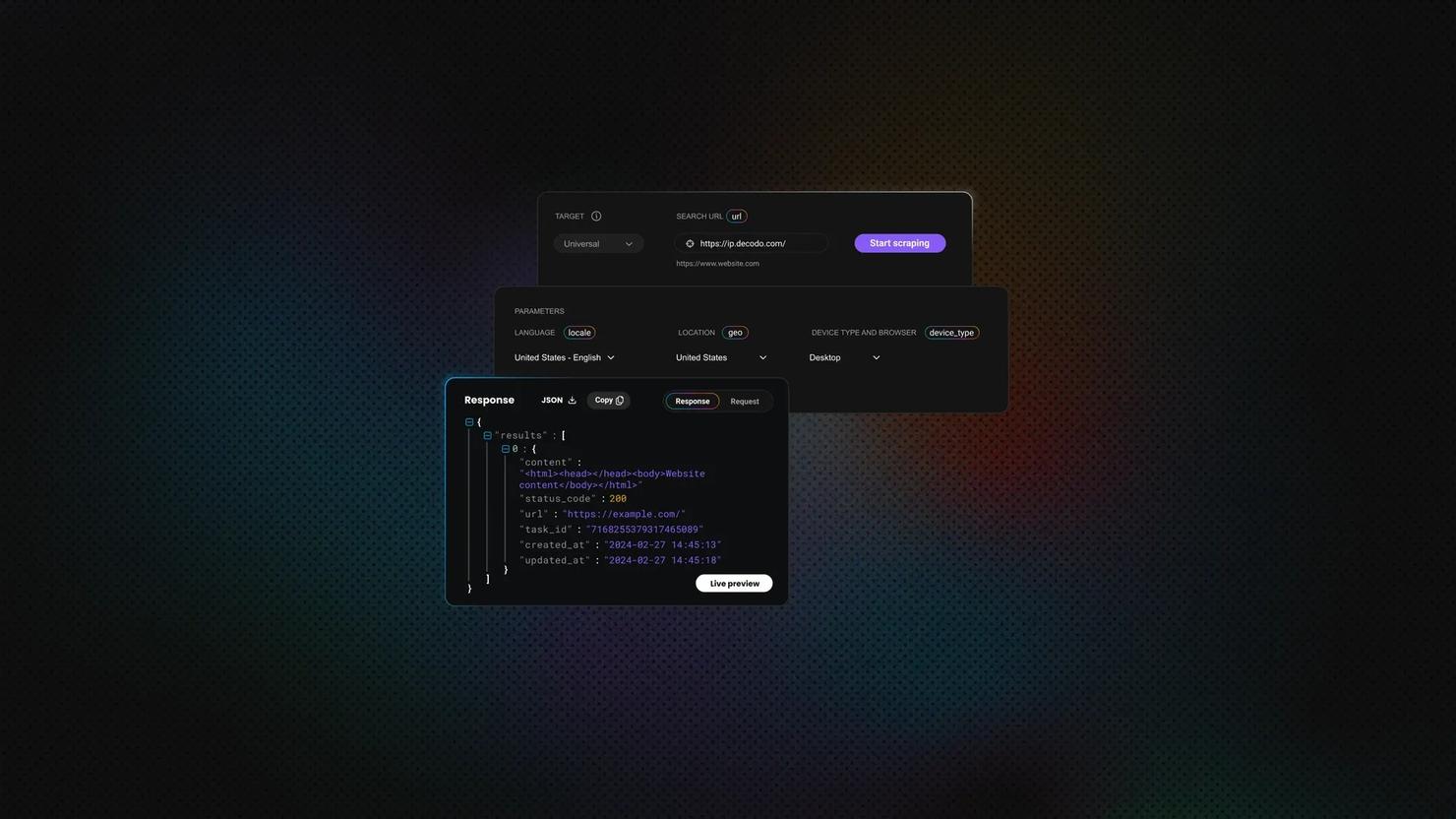
Dify is an open-source platform for building LLM apps and AI workflows visually. It gives teams a drag-and-drop canvas for chaining LLMs, tools, and APIs into complete AI workflows. Modern AI apps need fresh, structured web data, but most teams don't want to write and maintain Python scrapers. In this article, you'll learn how to build a no‑code Dify workflow and switch to a managed Web Scraping API when basic plugins aren't enough.
Lukas Mikelionis
Last updated: May 27, 2026
12 min read

Using Cursor AI To Build a Web Scraper: From Setup to Production With Decodo
Cursor AI is a code-aware IDE that generates, debugs, and refines scraper code through natural language, advancing AI-assisted scraping from concept to production. Building scrapers by hand means dealing with selector breakage, anti-bot walls, and proxy rotation logic that compounds every time a target site changes. This article covers setup, Cursor rules, scraper types, Decodo MCP integration, and project maintenance.
Lukas Mikelionis
Last updated: May 25, 2026
7 min read
The End of "Free" Public Data? How AI Is Challenging the Industry
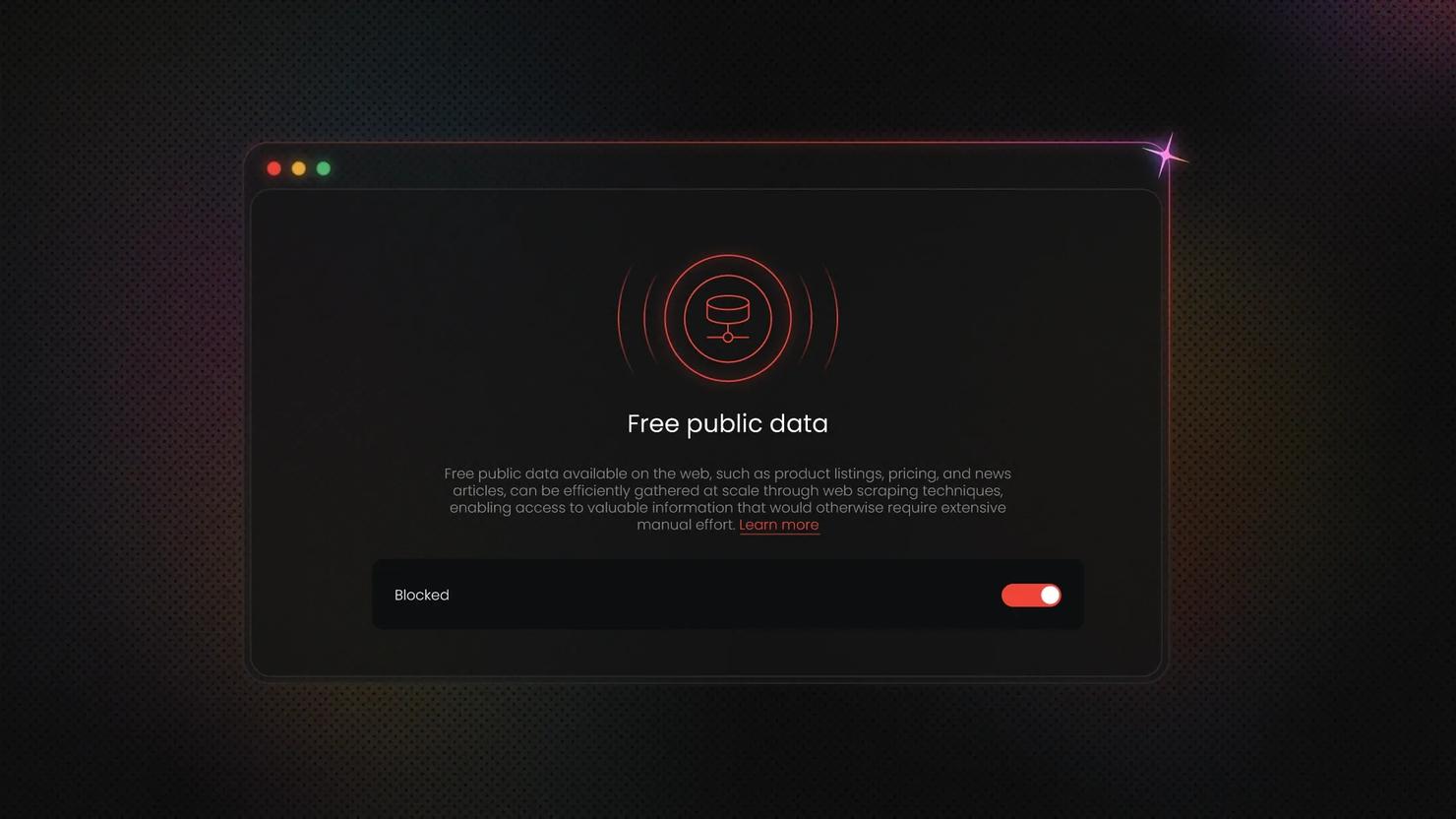
Cloudflare customers now send more than one billion HTTP 402 "Payment Required" responses on an average day. That figure, mentioned in passing in a recent Cloudflare blog post, signals a real shift. A 20-year convention around free public data is being repriced through pay-per-crawl and AI bot management. And businesses that depend on fresh public data now need to figure out how to react and how to do it fast.

Vaidotas Juknys
Last updated: May 19, 2026
3 min read

AutoGPT Integration Guide: Set Up, Customize, and Connect Your AI Agents to External Data
Most AutoGPT tutorials stop at "get it running", but that's the easy part. The harder part that determines whether your agents are useful is connecting them to live data, and AutoGPT helps you fix that. This guide covers AutoGPT local setup, UI navigation, custom Python block development, and the integration patterns that turn AutoGPT into a production workflow tool.
Justinas Tamasevicius
Last updated: Apr 23, 2026
8 min read
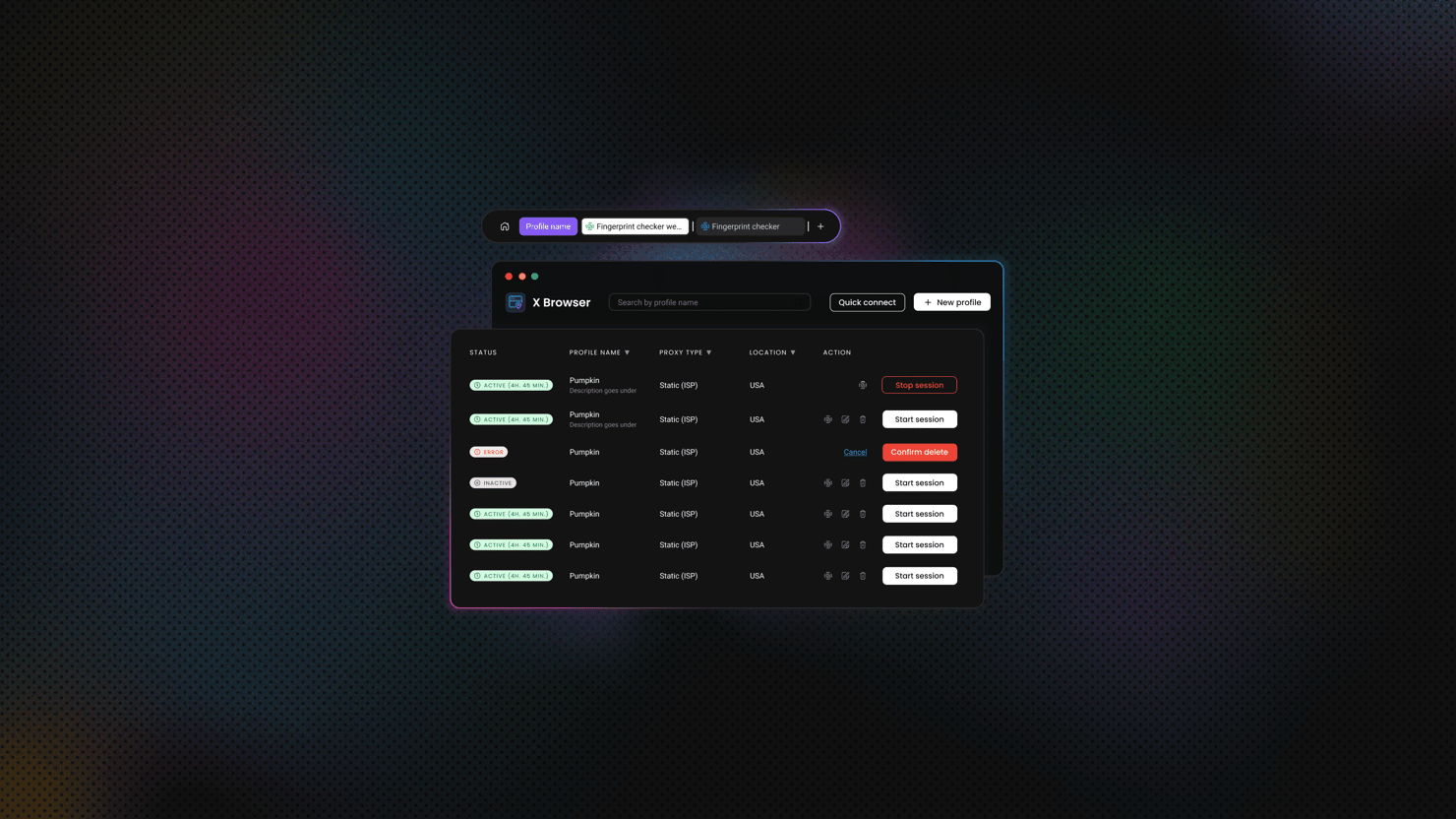
Browser-use: Step-by-Step AI Browser Automation Guide
Browser-use is a Python library that lets an AI agent control a real browser – navigating dynamic pages, submitting forms, and extracting structured data without brittle selectors. Unlike traditional headless browser setups wired to rigid rules, it reasons with what it sees and adapts. By the end of this guide, you'll have a working agent scraping product data, interacting with web apps, and handling failure scenarios.

Dominykas Niaura
Last updated: Apr 17, 2026
10 min read
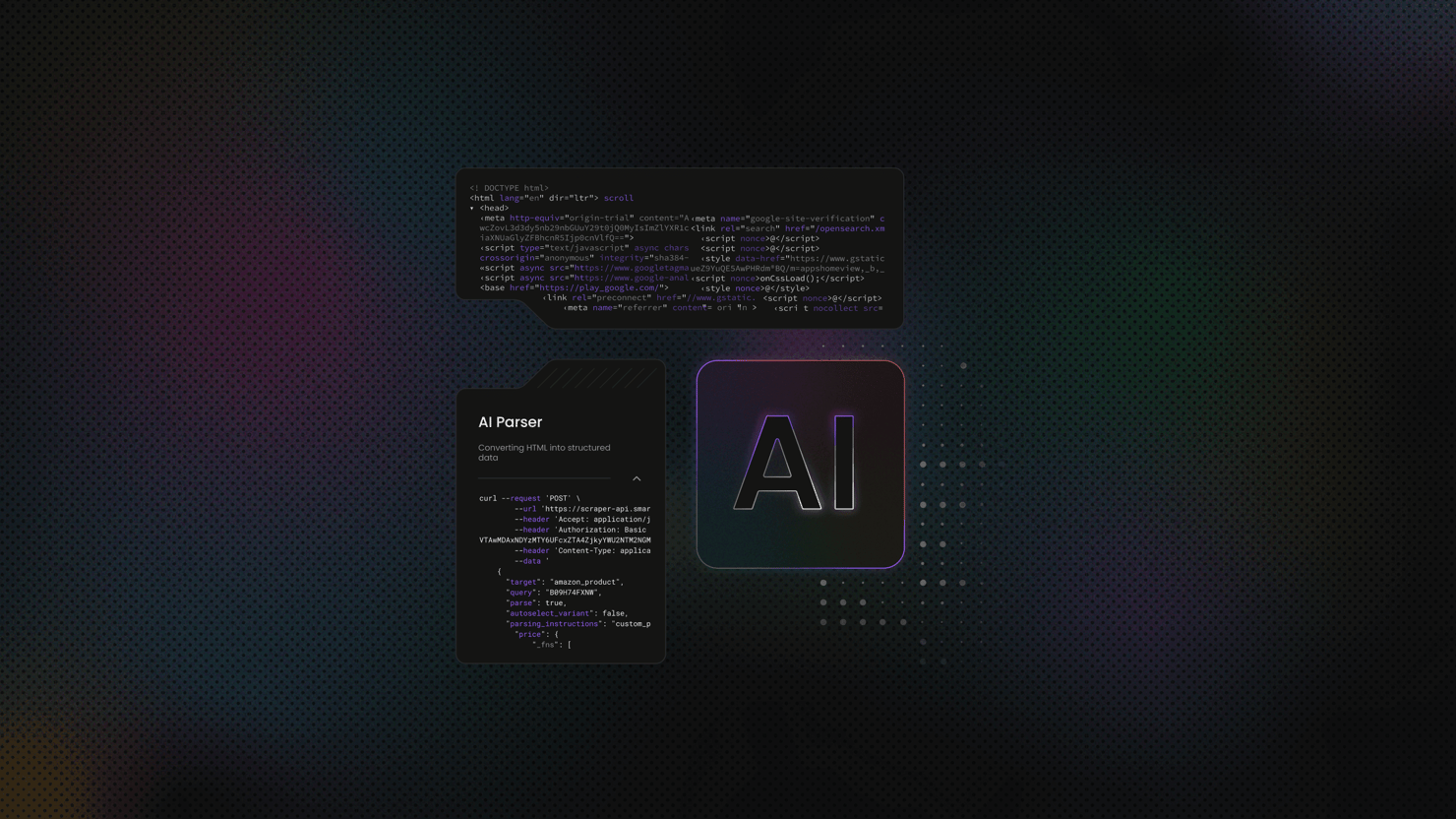
Crawl4AI Tutorial: Build Powerful AI Web Scrapers
Traditional scrapers return raw HTML. Turning that raw data into structured AI-ready data takes 50%+ extra engineering time, and pushing it directly into an LLM quickly becomes expensive at scale. Crawl4AI was built for that gap: Playwright rendering, automatic Markdown conversion, and native LLM extraction in one open-source framework. This guide takes you from a basic page crawl to production-ready structured data extraction.
Justinas Tamasevicius
Last updated: Apr 15, 2026
15 min read
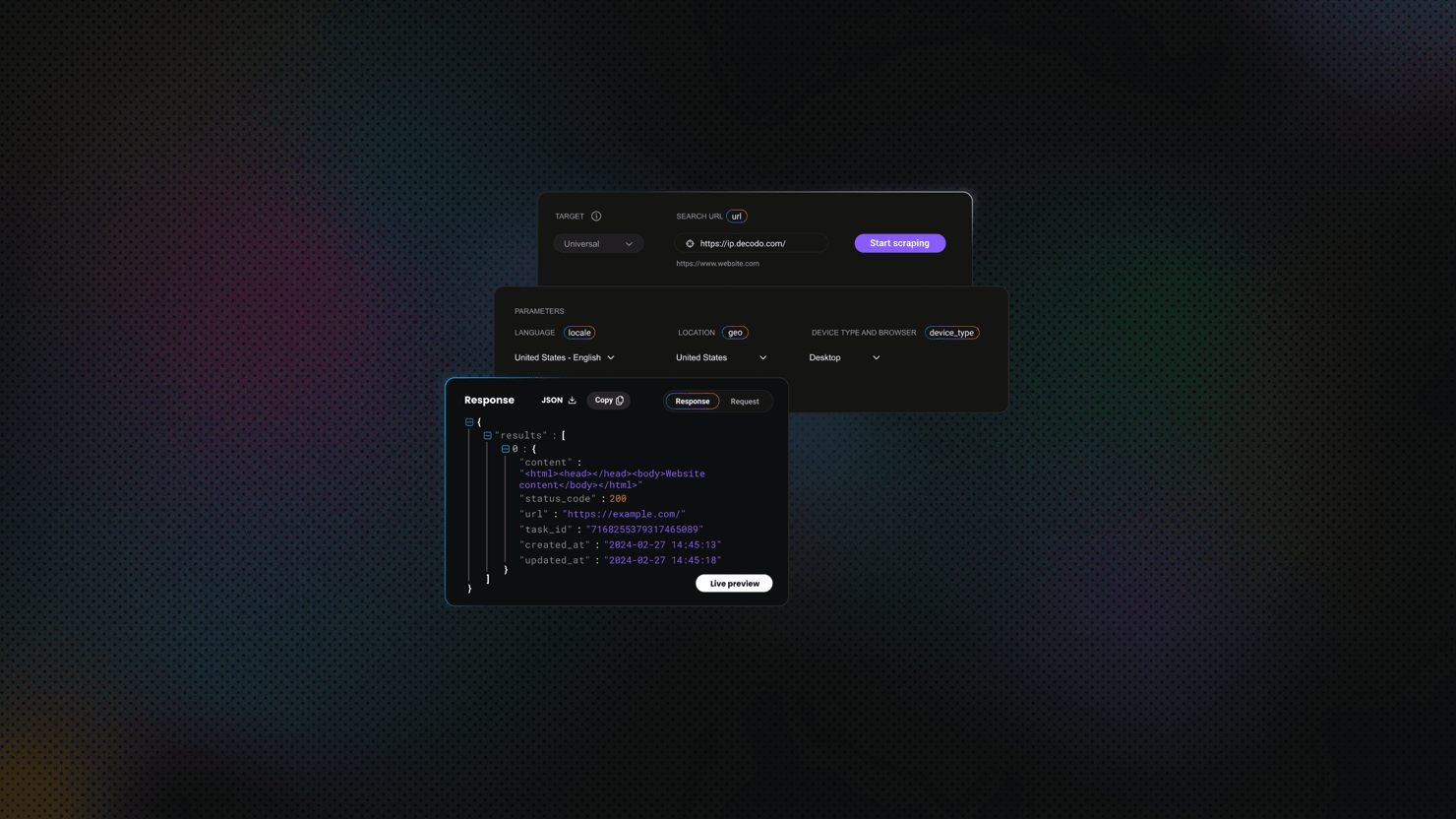
How to Scrape Google AI Mode: Methods, Tools, and Best Practices
Google AI Mode was launched as a Search Labs experiment in March 2025. It's powered by Gemini 2.5, which synthesizes answers from multiple sources and allows you to ask follow-up questions. Google AI Mode isn't the same as Google search results; it's an entirely full-page conversational interface using different URL parameters, rendering pipelines, and scraping logic. This guide provides a walkthrough of two different approaches: a working Playwright script you can execute right away, and the Decodo Web Scraping API for production.
Dominykas Niaura
Last updated: Apr 03, 2026
10 min read
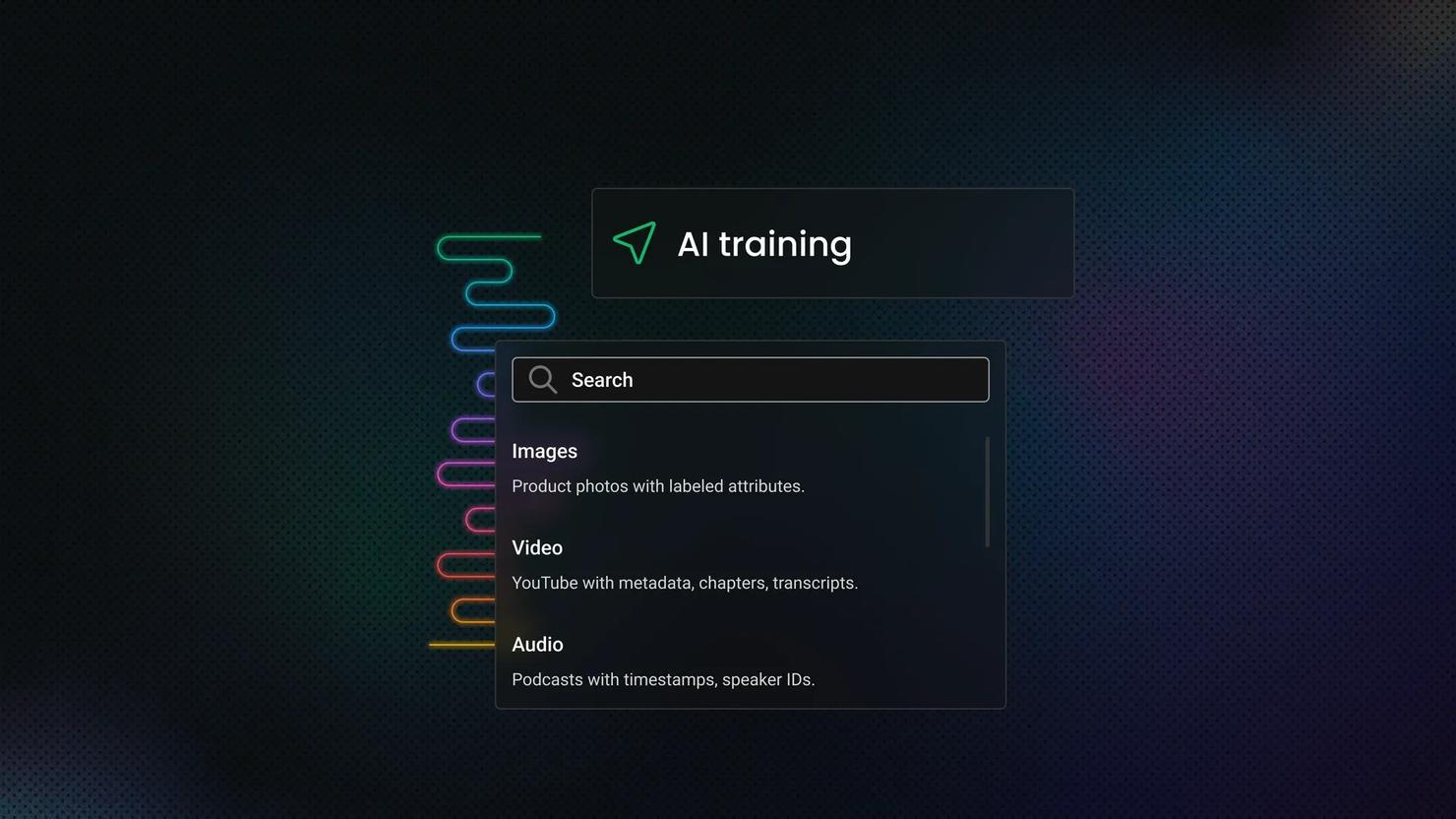
Scraping Multimedia Data for AI Training: Images, Video, Audio
Images, video, and audio are harder to collect and clean than text, and much less useful without context. Multimedia scraping helps you collect media, preserve the metadata that gives it meaning, and turn scattered files into training-ready datasets. The hard part is treating each media type differently from the start.

Vytautas Savickas
Last updated: Mar 13, 2026
8 min read
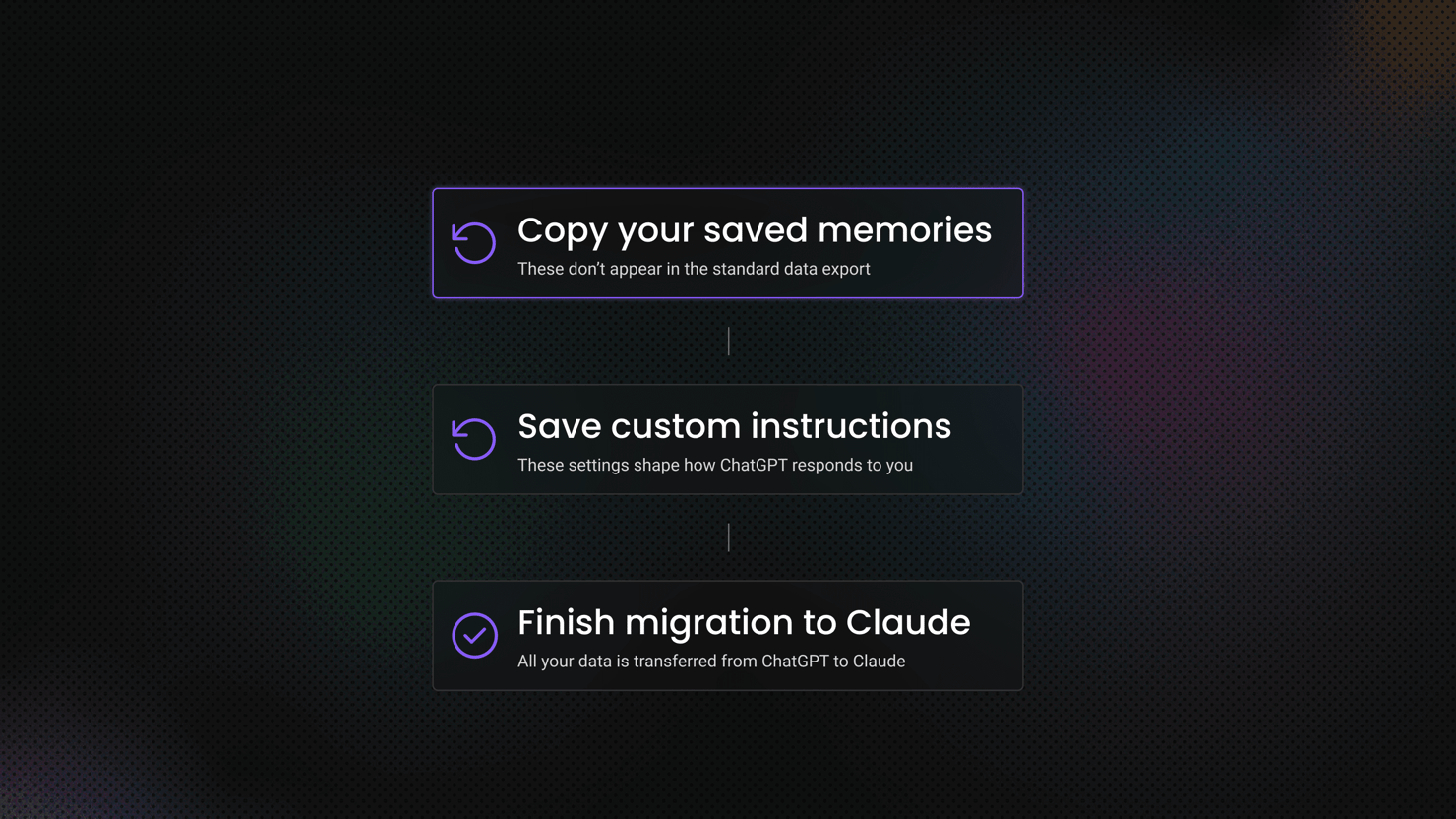
How to Switch From ChatGPT to Claude: The Complete 2026 Migration Guide
Switching from ChatGPT to Claude no longer means starting from scratch. Anthropic’s memory import tool lets you transfer preferences, context, and instructions in under 5 minutes. This guide covers 3 migration paths – from a quick memory import to a full data transfer, plus feature comparisons, export steps, and power tips.
Benediktas Kazlauskas
Last updated: Mar 06, 2026
8 min read
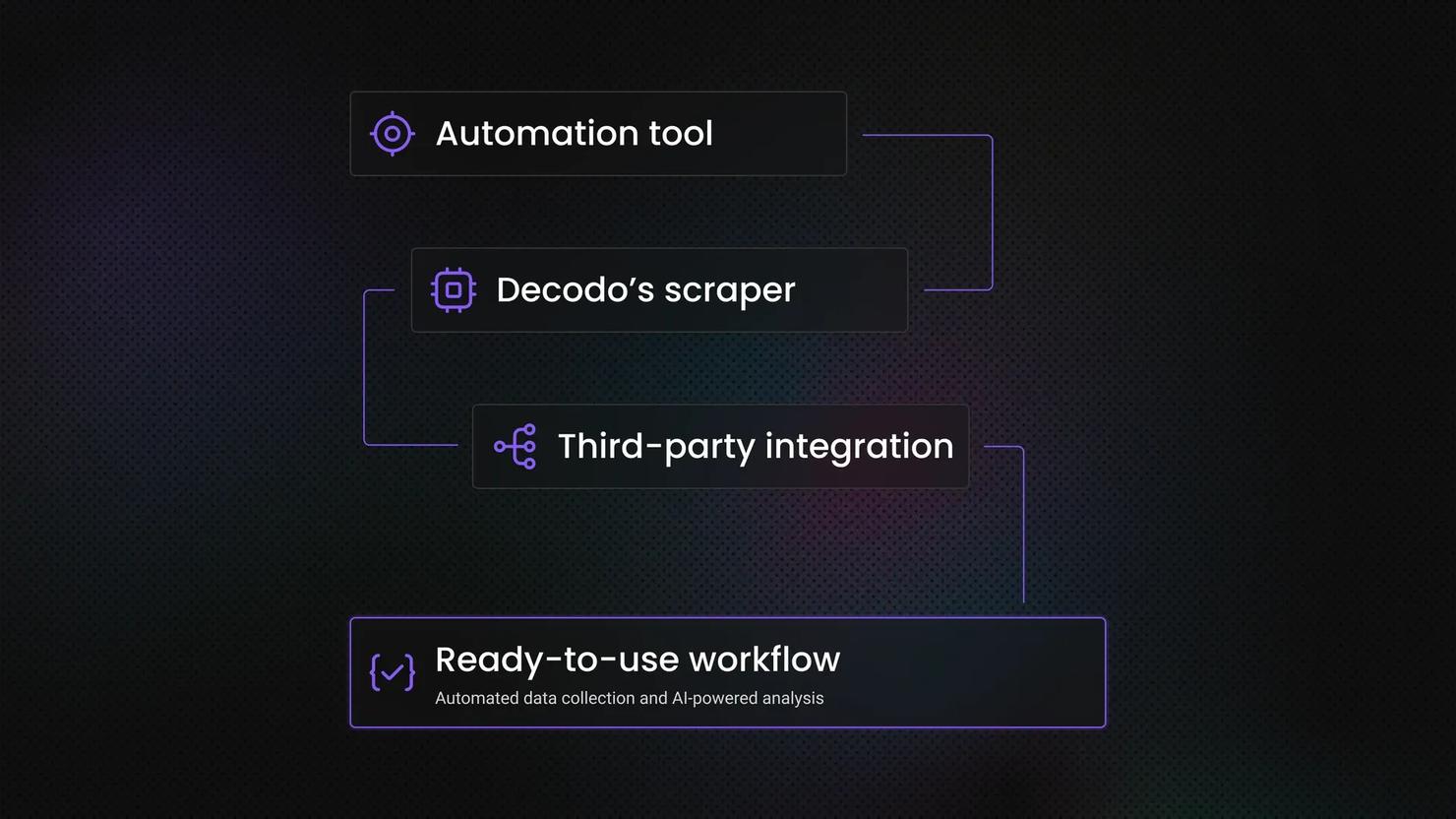
OpenClaw vs. n8n: Which AI Automation Tool Is Right for You?
AI-powered automation has moved from niche tooling to a 2026 priority. Tools such as OpenClaw turn large language models into proactive messaging assistants, while n8n offers a visual workflow builder for connecting apps and orchestrating processes. This guide compares their architecture, AI capabilities, pricing, and best-fit use cases so you can quickly decide which tool matches your needs.
Benediktas Kazlauskas
Last updated: Feb 25, 2026
9 min read
Complete Guide to Web Scraping With OpenClaw and Decodo
Web scraping used to mean wrestling with Python scripts, brittle selectors, and an ever-growing list of sites that suddenly stopped working. AI-powered agents are changing that. This guide walks you through setting up OpenClaw with Decodo's scraping skill to build a reliable, proxy-backed web scraping setup. By the end, you'll have a working configuration that handles JavaScript rendering, bot detection, and proxy rotation out of the box.
Zilvinas Tamulis
Last updated: Feb 19, 2026
10 min read

How to Leverage ChatGPT for Effective Web Scraping
Artificial intelligence is transforming various fields, ushering in new possibilities for automation and efficiency. As one of the leading AI tools, ChatGPT can be especially helpful in the realm of data collection, where it serves as a powerful ally in extracting and parsing information. So, in this blog post, we provide a step-by-step guide to using ChatGPT for web scraping. Additionally, we explore the limitations of using ChatGPT for this purpose and offer an alternative method for scraping the web.
Dominykas Niaura
Last updated: Jan 20, 2026
8 min read
Top 10 MCPs for AI Workflows in 2026
MCP has shifted from niche adoption to widespread use, with major platforms like OpenAI, Microsoft, and Google supporting it natively. Public directories now feature thousands of MCP servers from community developers and vendors, covering everything from developer tools to business solutions.
In this guide, you'll learn what MCP is and why it matters for real-world AI agents, which 10 MCP servers are currently most useful, and how to safely choose and combine MCPs for your setup.

Mykolas Juodis
Last updated: Jan 13, 2026
9 min read

Best AI Tools for Coding in 2026
With all the buzz about AI taking over our jobs, why not flip the script and employ AI to help you write efficient code and boost your productivity instead? In 2026, the best AI tools for coding are designed to be your new sidekick, helping you code smarter, faster, and with less stress. Let's explore how you can make AI work for you before the inevitable machine world domination.
Zilvinas Tamulis
Last updated: Jan 07, 2026
9 min read